TB-500 Peptide Research Overview
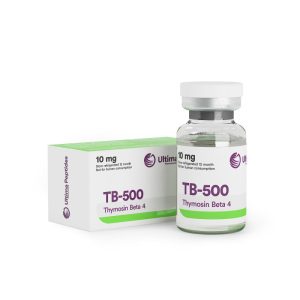
TB-500 USA PEPTIDES is a synthetic peptide fragment derived from thymosin beta-4, a naturally occurring 43-amino acid protein. This research-grade compound represents a critical tool for investigating cellular repair mechanisms and tissue regeneration pathways in laboratory settings. Scientists at Stroid UK Shop can access this high-purity peptide for advanced biochemical studies examining cell migration, proliferation, and wound healing processes.
Cellular Research Applications
Laboratory investigations with TB-500 focus on its role in upregulating cell-building proteins, particularly actin, which facilitates cellular motility and structural integrity. Research models demonstrate this peptide’s involvement in angiogenesis pathways, where new blood vessel formation occurs through endothelial cell migration and tube formation. Studies within peptide research collections examine TB-500’s effects on inflammatory response modulation and tissue repair mechanisms. Scientists investigate how this compound influences cell differentiation processes, particularly in cardiac tissue repair models and dermal wound healing assays. The peptide’s interaction with various growth factor pathways makes it valuable for studying regenerative medicine applications in controlled laboratory environments. Researchers exploring selective androgen receptor modulators often incorporate TB-500 studies to understand complementary tissue repair mechanisms.
Technical Specifications
| Parameter | Value |
|---|---|
| CAS Registry | 77591-33-4 |
| Molecular Weight | 4963.44 g/mol (full TB-4) |
| Storage Conditions | -20°C lyophilised, 2-8°C reconstituted |
| Solubility | Water, sterile saline |
| Stability | 30 days refrigerated when reconstituted |
Advanced peptide research protocols require precise handling procedures to maintain compound integrity throughout experimental procedures.
Laboratory Compliance Statement
TB-500 USA PEPTIDES is supplied exclusively for in-vitro research purposes and laboratory analysis. This compound is not intended for human consumption, therapeutic applications, or any form of in-vivo administration. Researchers must maintain appropriate laboratory safety protocols and comply with institutional guidelines when handling this research chemical. All studies should be conducted within approved laboratory facilities with proper documentation and safety oversight.