Compound Profile: Silditop
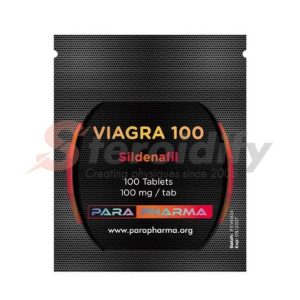
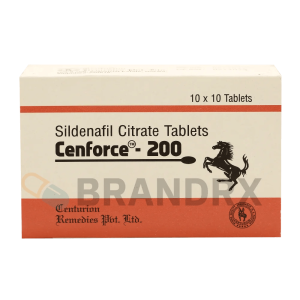
Silditop 100mg pharmaceutical is a standardised sildenafil citrate preparation supplied for research applications investigating phosphodiesterase-5 (PDE5) enzyme inhibition mechanisms. This pharmaceutical-grade compound enables controlled laboratory studies of vasodilation pathways and cyclic guanosine monophosphate (cGMP) signalling cascades. Research teams at Stroid UK Shop utilise this preparation to examine nitric oxide-dependent smooth muscle relaxation in tissue samples and cellular models.
Laboratory Applications
Research applications focus on PDE5 enzyme kinetics, vascular smooth muscle physiology, and nitric oxide pathway modulation. Studies examine dose-response relationships in isolated vessel preparations, cellular cGMP accumulation assays, and comparative analysis with other phosphodiesterase inhibitors. Cardiovascular research programmes investigate endothelial function, pulmonary vascular resistance, and arterial compliance measurements. Researchers studying erectile dysfunction mechanisms employ this compound to evaluate corpus cavernosum tissue responses and penile blood flow dynamics. Comparative studies with selective androgen receptor modulators examine different pathways affecting male reproductive physiology. Advanced research protocols incorporate sildenafil alongside vasoactive peptides to study synergistic effects on vascular reactivity and tissue perfusion parameters.
Technical Specifications
| Active Compound | Sildenafil Citrate |
|---|---|
| Concentration | 100mg per unit |
| Form | Pharmaceutical tablet |
| Molecular Formula | C₂₈H₃₈N₆O₁₁S (citrate salt) |
| CAS Number | 139755-83-2 |
| Molecular Weight | 666.70 g/mol |
| Storage | Room temperature, dry conditions |
| Stability | 36 months when stored correctly |
Research Compliance
This sildenafil citrate preparation is supplied exclusively for in-vitro laboratory research applications. Not intended for human consumption, clinical use, or therapeutic applications. Research institutions must ensure appropriate handling protocols, waste disposal procedures, and regulatory compliance with local pharmaceutical research guidelines.