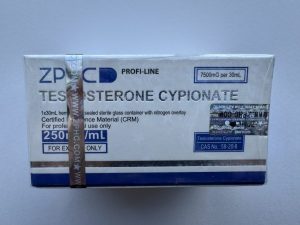
Understanding TESTOSTERONE ENANTHATE SHIELD PHARMA
Testosterone enanthate is a long-acting esterified derivative of testosterone widely investigated in endocrinological and pharmacological research. This anabolic steroid features an enanthate ester chain that provides sustained hormone release characteristics in preclinical models, making it a valuable compound for researchers at Stroid UK Shop studying androgen receptor interactions and hormonal mechanisms. The compound demonstrates significant androgenic and anabolic activity in laboratory investigations, providing researchers with insights into steroid hormone pathways and their physiological effects in experimental frameworks.
Laboratory Applications
Research scientists examine testosterone enanthate for its role in androgen receptor binding studies and muscle tissue investigations. The compound’s extended half-life characteristics allow for comprehensive analysis of hormonal effects over prolonged periods in controlled laboratory environments. Investigators studying hormone replacement protocols and endocrine system function utilise this compound to evaluate androgenic pathway mechanisms. The esterified structure enables researchers to analyse sustained hormone release patterns compared to shorter-acting testosterone variants available in our testosterone enanthate collection. Additionally, research teams investigating anabolic processes and protein synthesis pathways examine this compound alongside other research chemicals from our SARMs category and peptides section for comparative hormonal studies.
Technical Specifications
| Parameter | Value |
|---|---|
| Molecular Formula | C₂₆H₄₀O₃ |
| Molecular Weight | 400.59 g/mol |
| CAS Number | 315-37-7 |
| Physical Form | Oil-based injection |
| Storage Requirements | Room temperature, protect from light |
| Research Classification | Anabolic steroid |
Compliance Statement
This testosterone enanthate product is supplied strictly for in-vitro laboratory research purposes only. It is not intended for human consumption, therapeutic use, or any form of in-vivo application. Researchers must ensure compliance with all applicable regulations and institutional guidelines when handling this compound in laboratory settings.