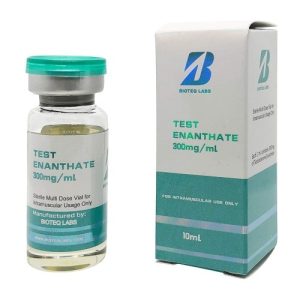

Chemical Profile of PHARMA TREN E200
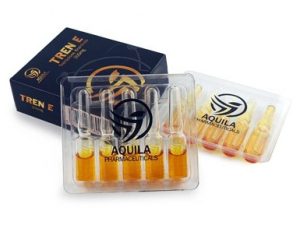
Trenbolone enanthate is a synthetic 19-nortestosterone derivative extensively studied in advanced biochemical research protocols. This long-ester formulation from Pharmacom provides researchers with a stable injectable solution containing 200mg/ml of active compound for investigating androgen receptor binding affinities and downstream anabolic signalling pathways. The enanthate ester modification extends the pharmacokinetic profile significantly compared to acetate variants, making it particularly valuable for extended research protocols requiring consistent compound exposure levels.
Laboratory Research Applications
Research teams at Stroid UK Shop investigate trenbolone enanthate for its potent binding affinity to androgen receptors, approximately five times greater than testosterone in comparative binding studies. The compound demonstrates unique properties in cellular metabolism research, particularly regarding protein synthesis pathways and nitrogen retention mechanisms. Scientists studying trenbolone compounds note its resistance to aromatisation, making it valuable for research into non-estrogenic anabolic mechanisms. Comparative studies with selective androgen receptor modulators help elucidate tissue-specific receptor activation patterns. Additionally, researchers examining peptide interactions utilise trenbolone as a reference compound for understanding classical androgen signalling versus novel peptide-mediated pathways.
Technical Specifications
| Active Compound | Trenbolone Enanthate |
|---|---|
| Concentration | 200mg/ml |
| CAS Number | 10161-33-8 |
| Molecular Formula | C₂₅H₃₄O₃ |
| Molecular Weight | 382.54 g/mol |
| Storage Requirements | Room temperature, protect from light |
| Manufacturer | Pharmacom Labs |
| Product Code | EU20141 |
Research Compliance Statement
PHARMA TREN E200 is manufactured exclusively for in-vitro laboratory research and analytical testing purposes. This product is not intended for human consumption, therapeutic use, or any application outside controlled research environments. Researchers must possess appropriate institutional approval and follow established laboratory safety protocols when handling this compound. All studies should be conducted under proper biosafety guidelines with appropriate waste disposal procedures.