Testacyp-250 BM Pharmaceutical: Compound Profile
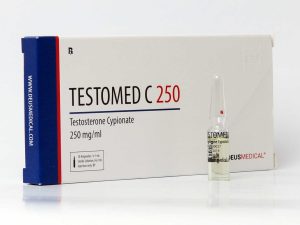
Testacyp-250 BM Pharmaceutical is a testosterone cypionate research compound specifically formulated for in-vitro laboratory studies and molecular research applications. This pharmaceutical-grade preparation allows researchers to investigate testosterone cypionate’s biochemical properties and molecular interactions within controlled experimental environments. Scientists studying hormonal pathways and anabolic mechanisms often examine this compound’s structural characteristics and receptor binding affinities. The formulation represents a standardised research tool for academic institutions and licensed laboratories conducting testosterone-related studies. Researchers at Stroid UK Shop can access this compound for legitimate scientific investigations.
Scientific Research Applications
Laboratory studies utilise Testacyp-250 to examine testosterone cypionate’s molecular behaviour and enzymatic interactions. Researchers investigate the compound’s esterification patterns and hydrolysis mechanisms in controlled assay systems. Academic studies focus on analysing receptor binding kinetics and transcriptional activation pathways associated with androgen receptor signalling. This research compound enables scientists to study hormonal metabolic pathways alongside other compounds from our testosterone cypionate collection. Comparative studies often examine this compound in conjunction with research materials from our SARMs category and peptides range to understand molecular interactions.
Research Compound Specifications
| Parameter | Specification |
|---|---|
| Active Compound | Testosterone Cypionate |
| Concentration | 250mg/ml |
| Pharmaceutical Grade | BM Pharmaceutical |
| Storage Requirements | Room temperature, protect from light |
| Molecular Formula | Verify with supplier |
| CAS Number | Verify with supplier |
Laboratory Compliance Statement
Testacyp-250 BM Pharmaceutical is supplied exclusively for in-vitro research purposes and laboratory studies. This compound is not intended for human consumption, clinical use, or any application outside controlled research environments. Researchers must maintain appropriate laboratory protocols and safety procedures when handling this research chemical. All studies should comply with institutional guidelines and applicable regulations governing research compound usage.