
Understanding PEG MGF Research Properties
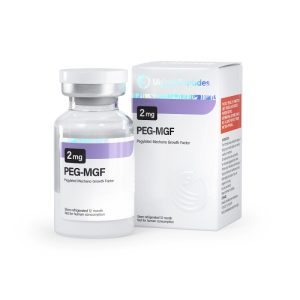
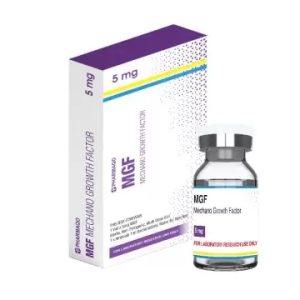
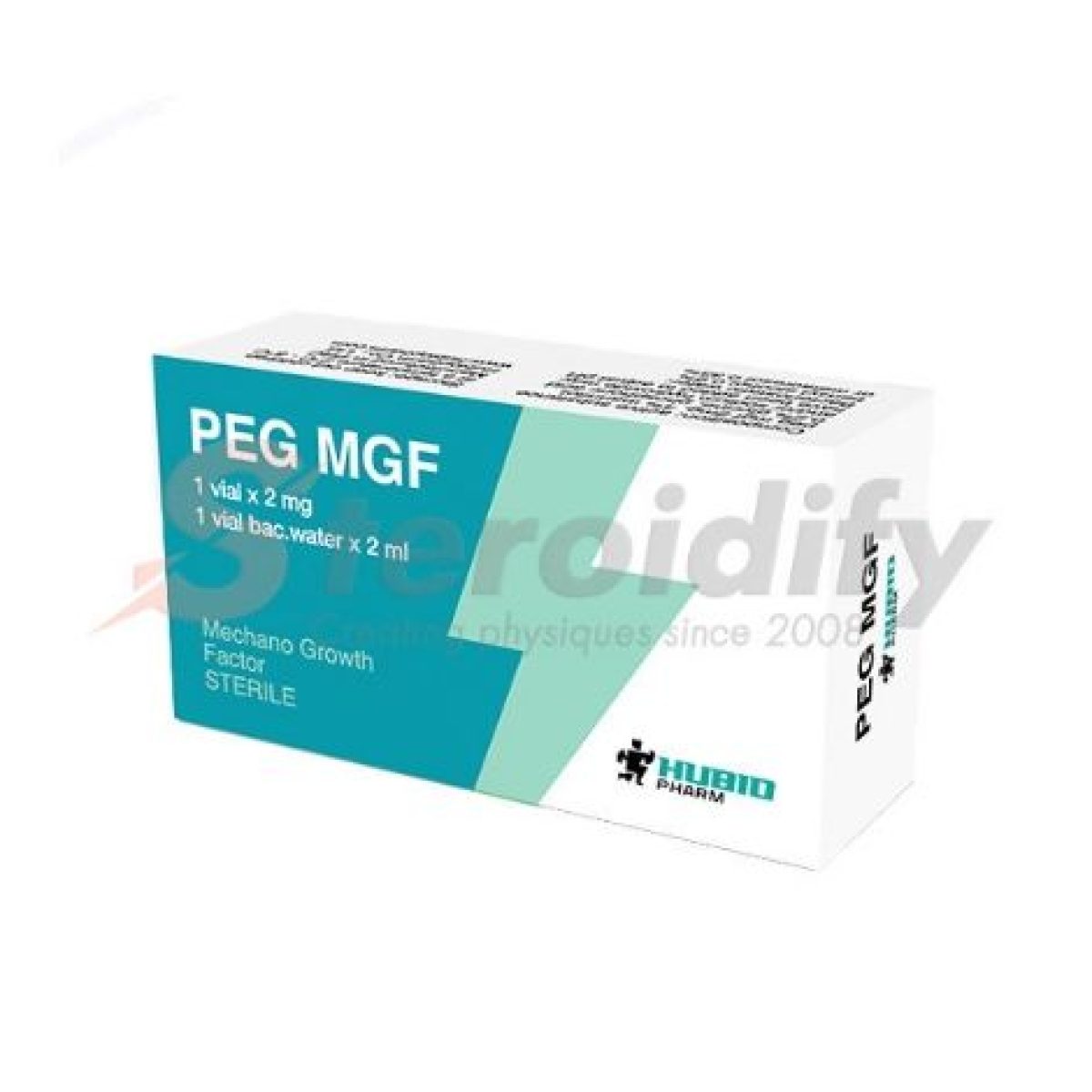
PEG MGF is a pegylated variant of mechano growth factor (MGF), a splice variant of insulin-like growth factor-1 (IGF-1). This synthetic peptide combines the biological activity of MGF with polyethylene glycol (PEG) conjugation, which extends its half-life and stability in laboratory research environments. Researchers at Stroid UK Shop investigate this compound for its unique molecular characteristics and enhanced pharmacokinetic profile compared to native MGF peptides.
Laboratory Research Applications
Scientists examine PEG MGF in various cellular and molecular biology studies, particularly focusing on its interaction with IGF-1 receptors and downstream signalling pathways. The pegylation process modifies the peptide’s bioavailability and distribution characteristics, making it valuable for extended-duration research protocols. Investigators studying PEG MGF peptide research often compare its stability profiles against other growth factor variants. Research teams also evaluate its effects on cellular proliferation and differentiation markers in controlled laboratory settings.
Studies frequently analyse PEG MGF alongside other research compounds from the peptides category, examining synergistic interactions and comparative efficacy profiles. Some researchers investigate its potential applications in tissue engineering and regenerative medicine research, while others focus on its molecular mechanisms and receptor binding affinities. Laboratory protocols often incorporate PEG MGF with compounds from SARMs research for comprehensive molecular pathway analysis.
Technical Specifications
| Parameter | Specification |
|---|---|
| Manufacturer | Hubio Pharm |
| Product Code | EU21363 |
| Molecular Class | Pegylated Growth Factor Peptide |
| CAS Number | Verify with supplier |
| Molecular Formula | Verify with supplier |
| Storage Temperature | -20°C (lyophilised) |
| Research Applications | Cellular biology, growth factor studies |
Research Compliance Information
This PEG MGF preparation is manufactured exclusively for in-vitro research applications and is not intended for human consumption or therapeutic use. Researchers must follow appropriate laboratory safety protocols and institutional guidelines when handling this research chemical. All studies should be conducted in properly equipped laboratory facilities with adequate ventilation and safety measures.