
Ultima-PEG-MGF: Compound Profile
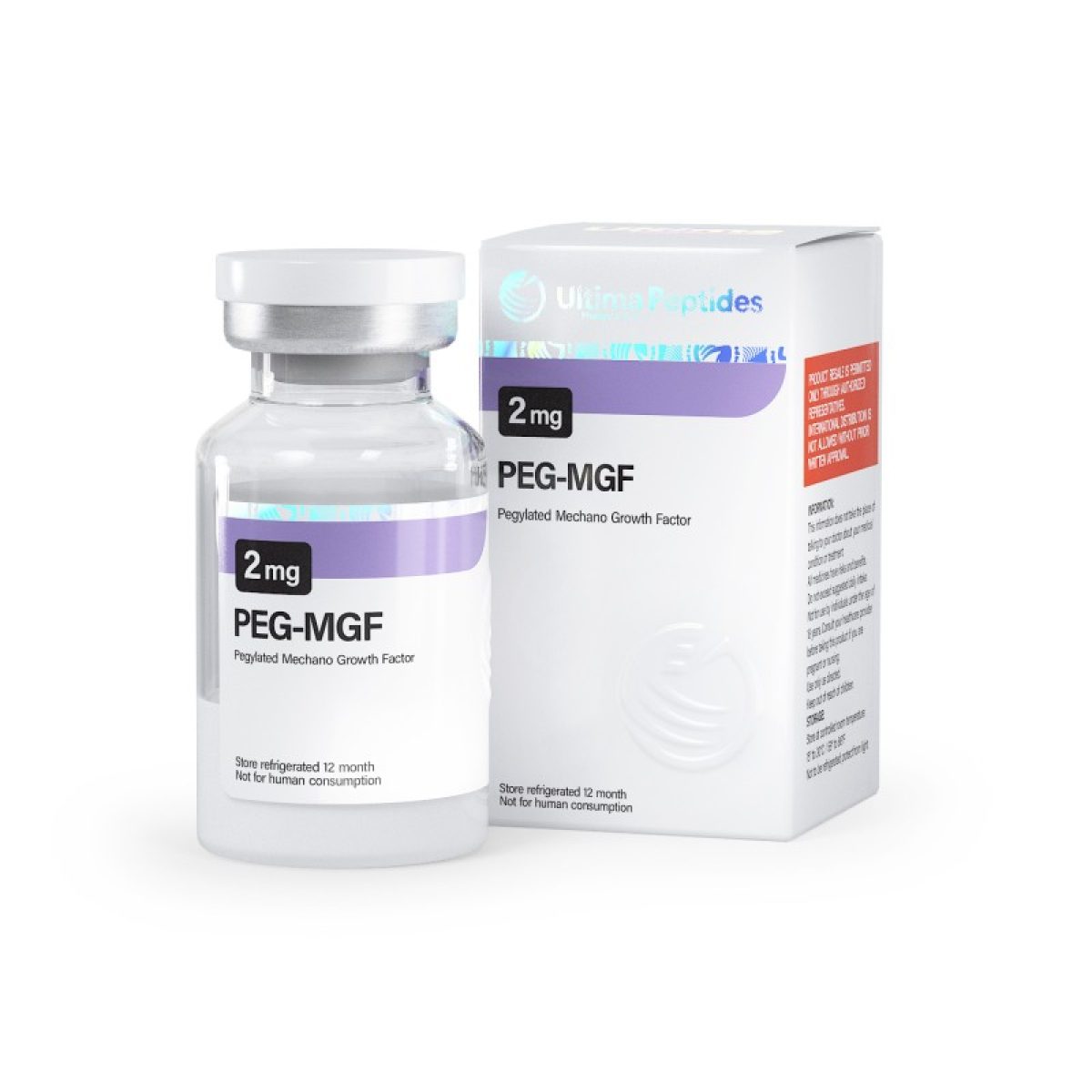
PEG-MGF is a synthetic pegylated variant of mechano growth factor (MGF), a splice variant of insulin-like growth factor-1 (IGF-1). This modified peptide incorporates polyethylene glycol conjugation to extend biological half-life in research applications. Ultima Pharmaceuticals’ PEG-MGF 2mg formulation provides researchers with a stable platform to examine muscle tissue regeneration pathways and cellular repair mechanisms. The pegylation process enhances peptide stability while maintaining biological activity in controlled laboratory environments. Research teams at Stroid UK Shop frequently investigate this compound’s interactions with satellite cell activation and myofibril protein synthesis pathways.
Scientific Research Applications
Laboratory studies examine PEG-MGF’s role in muscle tissue repair cascades following mechanical stress or injury models. Research protocols investigate the compound’s influence on satellite cell proliferation, differentiation, and myotube formation in cell culture systems. Scientists analyse PEG-MGF’s modulation of protein synthesis markers including mTOR pathway activation and ribosomal protein phosphorylation. The compound’s extended half-life allows for sustained observation periods in chronic muscle wasting disease models. Comparative studies within the broader PEG-MGF peptide category evaluate efficacy against other growth factors. Research teams also investigate synergistic effects when combined with compounds from SARMs categories in multi-modal experimental designs.
Technical Specifications
| Parameter | Value |
|---|---|
| Active Compound | Pegylated Mechano Growth Factor |
| Concentration | 2mg per vial |
| Manufacturer | Ultima Pharmaceuticals |
| Form | Lyophilised powder |
| CAS Number | Verify with supplier |
| Molecular Weight | Verify with supplier |
| Storage | -20°C (powder), 2-8°C (reconstituted) |
| Stability | Enhanced via PEG conjugation |
Research Compliance Information
Advanced peptide research requires comprehensive experimental protocols examining PEG-MGF’s interactions with muscle fiber regeneration mechanisms. Laboratories studying muscle biology often incorporate this compound alongside other research tools from the comprehensive peptides collection to evaluate cellular signaling cascades. Research applications focus on understanding satellite cell activation, myoblast fusion processes, and protein synthesis regulation in controlled environments. The pegylated structure provides researchers with extended observation windows for chronic experimental protocols. This product is manufactured exclusively for in-vitro research purposes and is not intended for human consumption, therapeutic use, or any application outside controlled laboratory research environments.