Drostanolone Enanthate Research Overview
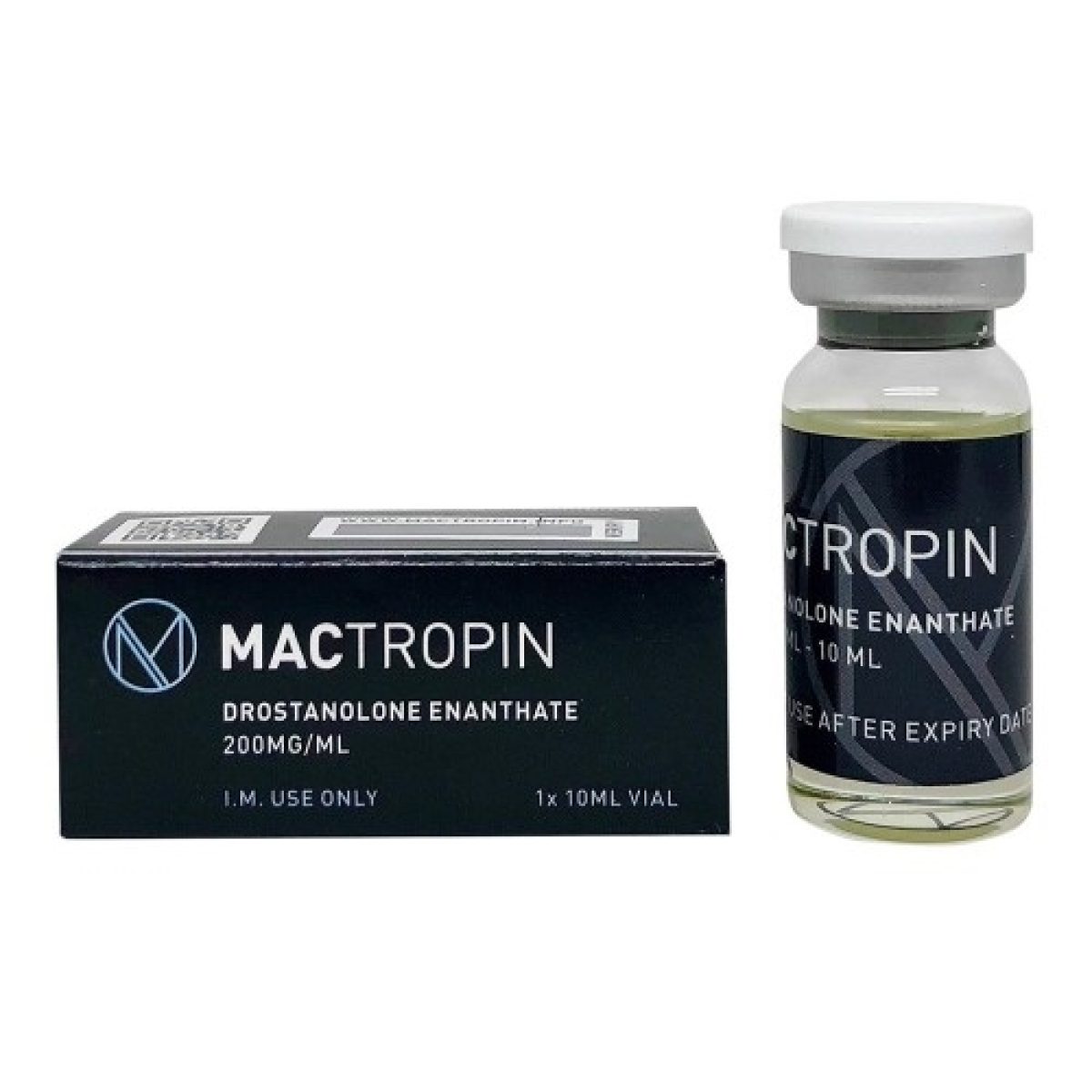
Drostanolone enanthate is a long-acting anabolic-androgenic steroid derived from dihydrotestosterone (DHT) with an enanthate ester attachment. This modification extends the compound’s plasma half-life compared to the propionate variant, making it valuable for research protocols examining sustained androgenic activity. Stroid UK Shop investigating steroid pharmacokinetics often examine how ester modifications influence bioavailability and tissue distribution patterns in controlled experimental settings.
Laboratory Investigation Applications
Research teams study drostanolone enanthate to evaluate its unique anti-estrogenic properties and selective tissue targeting mechanisms. The compound demonstrates interesting characteristics in androgenic research models due to its resistance to aromatase enzyme conversion, making it a useful reference standard for comparative studies. Analytical chemists examine its metabolic pathways and detection methods, while pharmacologists investigate receptor binding affinity compared to other DHT derivatives. The enanthate ester provides sustained release kinetics that researchers analyse for depot injection studies and controlled-release formulation development.
Technical Specifications
| Parameter | Specification |
|---|---|
| Chemical Name | 17β-Hydroxy-2α-methyl-5α-androstan-3-one enanthate |
| CAS Number | 472-61-1 (base compound) |
| Molecular Formula | C₂₇H₄₄O₃ |
| Molecular Weight | 416.64 g/mol |
| Storage Conditions | Room temperature, protected from light |
| Solubility | Oil-based preparations |
Comparative studies with selective androgen receptor modulators help researchers understand tissue-specific androgenic effects and develop more targeted therapeutic approaches. Additionally, investigations alongside peptide-based compounds provide insights into different mechanisms of anabolic signalling pathways and receptor interactions.
Research Compliance Statement
This product is manufactured by Mactropin exclusively for in-vitro laboratory research purposes. It is not intended for human consumption, therapeutic use, or any application outside controlled laboratory environments. Researchers must ensure proper safety protocols, disposal procedures, and regulatory compliance when handling this research chemical. All studies should be conducted by qualified laboratory personnel with appropriate analytical equipment and safety measures in place.