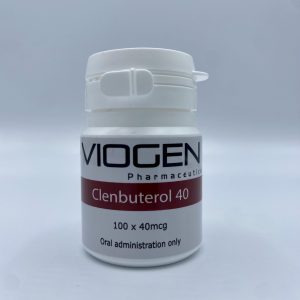
Research Overview: Intex TP-100 Intex Pharma
Intex TP-100 is a testosterone propionate research compound manufactured by Intex Pharma, designed for comprehensive laboratory investigation of androgenic hormone pathways. This laboratory-grade formulation enables researchers to study hormonal mechanisms and cellular interactions in controlled experimental environments. Testosterone propionate represents a short-ester variant that allows for detailed examination of androgenic receptor binding and downstream signalling cascades. Research teams studying endocrine function rely on Stroid UK Shop for consistent supply of investigation-grade compounds.
Scientific Research Applications
Laboratory investigations utilising Intex TP-100 focus on androgenic receptor activation studies and hormonal pathway mapping. Researchers examine how testosterone propionate influences protein synthesis mechanisms, nitrogen retention patterns, and cellular growth factors in controlled laboratory settings. Studies investigate the compound’s interaction with androgen receptors and subsequent gene expression modifications. Comparative research often examines propionate ester kinetics versus longer testosterone esters available in our testosterone propionate collection. Additional research explores potential synergies with compounds from our SARMs range and complementary investigations using materials from our peptides section.
Laboratory Specifications
| Parameter | Specification |
|---|---|
| Manufacturer | Intex Pharma |
| Active Compound | Testosterone Propionate |
| Concentration | 100mg/ml |
| Form | Injectable Solution |
| Molecular Formula | C22H32O3 |
| CAS Number | 57-85-2 |
| Storage | Room Temperature |
| Purity | Verify with COA |
Research Compliance Statement
Intex TP-100 is manufactured exclusively for in-vitro laboratory research purposes. This research compound is not approved for human consumption, therapeutic application, or any use outside controlled laboratory environments. Researchers must maintain proper laboratory protocols, safety procedures, and regulatory compliance when conducting investigations with this material. All research applications must comply with local regulations and institutional guidelines governing research compound usage.