Isotretinoin Research Overview
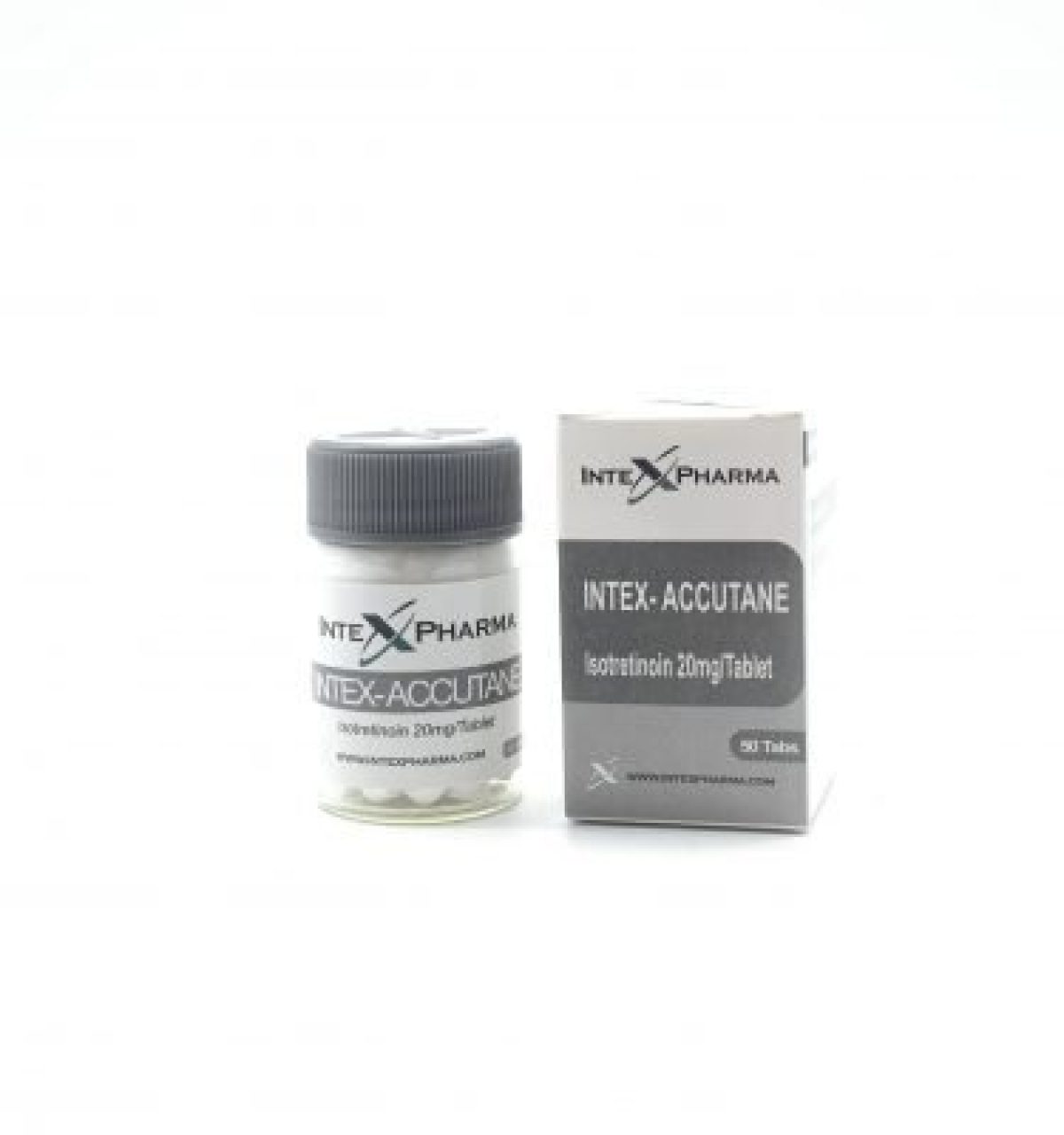
Isotretinoin is a pharmaceutical-grade retinoid compound extensively studied in dermatological research. This Intex-Accutane formulation provides standardised isotretinoin tablets for laboratory investigations into retinoid receptor mechanisms and sebaceous gland biology. Researchers examining acne pathophysiology frequently utilise isotretinoin to study its effects on keratinocyte differentiation, sebum production, and inflammatory pathways in cellular models. The compound’s unique mechanism involves binding to retinoic acid receptors, making it valuable for investigations into transcriptional regulation and gene expression patterns. Laboratory studies demonstrate isotretinoin’s capacity to modulate sebocyte proliferation and lipid synthesis pathways, offering insights into dermatological therapeutic mechanisms. Scientists investigating Stroid UK Shop often include isotretinoin studies within broader dermatological research programmes.
Scientific Research Applications
Laboratory investigations utilising isotretinoin focus on multiple cellular mechanisms including apoptosis induction in sebaceous glands, keratinocyte differentiation pathways, and anti-inflammatory responses. Research teams examine how isotretinoin influences prostaglandin synthesis and cytokine production in cultured cell lines. Studies investigate the compound’s effects on toll-like receptor expression and bacterial colonisation patterns in laboratory models. Dermatological researchers analyse isotretinoin’s impact on collagen synthesis and extracellular matrix remodelling processes. The compound serves as a reference standard in comparative studies examining post-cycle therapy compounds and their dermatological effects. Advanced research protocols investigate isotretinoin’s teratogenic mechanisms and reproductive toxicology pathways. Scientists studying hormonal modulation often examine isotretinoin alongside selective androgen receptor modulators to understand complex endocrine interactions. Research applications extend to investigating isotretinoin’s effects on sebaceous gland stem cell populations and their differentiation patterns. Laboratory studies examine the compound’s influence on antimicrobial peptide production and skin barrier function. Comparative analyses investigate isotretinoin’s mechanisms versus other retinoid compounds in cellular research models. Scientists studying metabolic pathways often include isotretinoin research alongside investigations into peptide compounds affecting skin biology.
Technical Specifications
| Parameter | Specification |
|---|---|
| Active Compound | Isotretinoin |
| CAS Number | 4759-48-2 |
| Molecular Formula | C₂₀H₂₈O₂ |
| Molecular Weight | 300.44 g/mol |
| Form | Pharmaceutical tablets |
| Storage Requirements | Room temperature, protect from light |
| Stability | Stable under recommended conditions |
| Solubility | Lipophilic, alcohol soluble |
Research Compliance Statement
This isotretinoin pharmaceutical product is supplied exclusively for in-vitro laboratory research purposes. Intex-Accutane tablets are intended for qualified researchers studying dermatological mechanisms, retinoid pathways, and cellular biology applications. This compound is not approved for human consumption, therapeutic use, or any clinical applications. Researchers must ensure appropriate laboratory safety protocols and comply with institutional guidelines when handling pharmaceutical-grade compounds. All studies should be conducted within approved research facilities with proper waste disposal procedures.