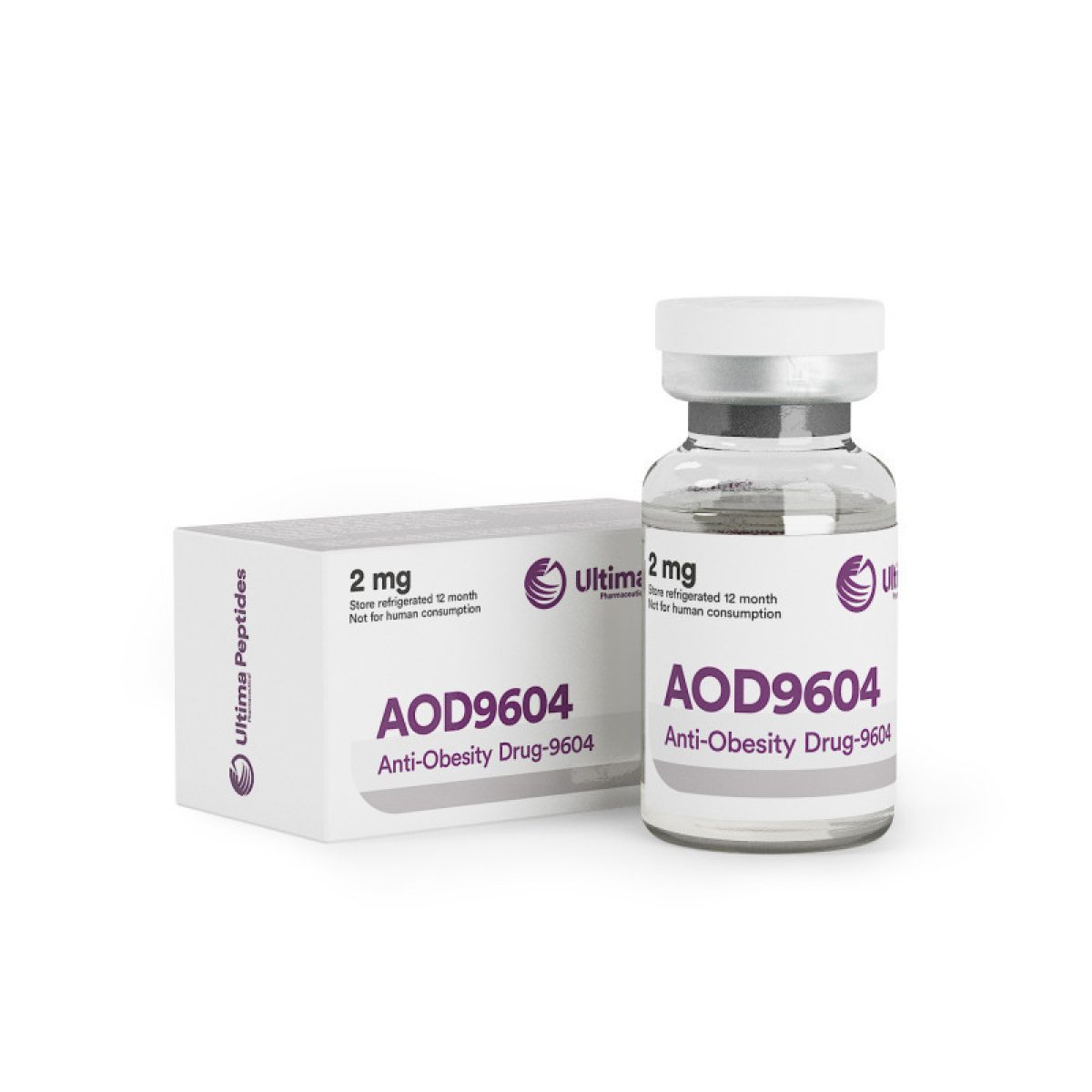

Ultima-AOD9604 Research Overview
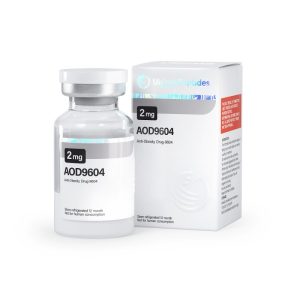
AOD 9604 is a synthetic peptide fragment consisting of amino acids 176-191 of human growth hormone, specifically developed for laboratory research applications. This peptide maintains the fat-burning properties of growth hormone while eliminating the growth-promoting effects, making it valuable for investigating metabolic pathways and lipolytic mechanisms in controlled research environments. Researchers at Stroid UK Shop can examine this compound’s effects on adipocyte metabolism and cellular energy expenditure in vitro.
Laboratory Research Applications
Scientists studying metabolic dysfunction can investigate AOD 9604’s selective activation of lipolytic pathways without concurrent anabolic effects. The peptide demonstrates specificity for fat cells in preclinical models, allowing researchers to examine mechanisms of fatty acid oxidation and thermogenesis. Studies focus on its interaction with growth hormone receptors and downstream signalling cascades affecting lipid metabolism. Researchers exploring peptide research compounds often compare AOD 9604’s selective action profile against full-length growth hormone in cellular assays.
Technical Specifications
| Parameter | Value |
|---|---|
| Chemical Name | AOD 9604 |
| Molecular Formula | C78H125N23O23S2 |
| Molecular Weight | 1815.08 g/mol |
| Purity | ≥98% (HPLC) |
| Form | Lyophilised powder |
| Storage | -20°C, protected from light |
Laboratory studies examining AOD 9604 research applications demonstrate its stability in aqueous solutions when stored appropriately. The compound shows optimal activity in cell culture models when reconstituted with sterile bacteriostatic water. Research teams investigating metabolic modulators often compare AOD 9604 alongside other compounds from the research portfolio to examine synergistic effects on cellular metabolism.
Research Compliance Statement
This AOD 9604 preparation is supplied exclusively for in-vitro laboratory research purposes. Not approved for human consumption, therapeutic use, or any application outside controlled laboratory environments. Researchers must comply with institutional guidelines and local regulations governing peptide research compounds.