HCG Odin Pharma 1 vial x at a Glance
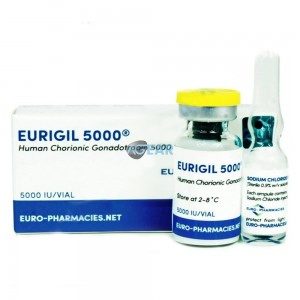
Human chorionic gonadotropin (HCG) is a glycoprotein hormone naturally produced during pregnancy. This research-grade formulation from Odin Pharmaceuticals provides 5000 International Units per vial for in-vitro laboratory investigation. Scientists studying reproductive endocrinology and gonadotropin signalling pathways often examine HCG’s structural properties and receptor binding mechanisms in controlled research environments. The compound serves as a reference standard for Stroid UK Shop investigating luteinising hormone mimetic activity in cell culture systems.
Laboratory Applications
Researchers utilise HCG in studies examining gonadotropin receptor activation and downstream signalling cascades. The compound demonstrates high affinity for luteinising hormone receptors, making it valuable for investigating steroidogenic enzyme expression in ovarian and testicular cell lines. Academic institutions studying reproductive biology often incorporate this material into assays examining follicular development and corpus luteum maintenance. Scientists working in post cycle therapy research analyse HCG’s molecular interactions with gonadal tissues to understand endocrine feedback mechanisms.
Technical Specifications
| Parameter | Specification |
|---|---|
| Active Compound | Human Chorionic Gonadotropin |
| Potency | 5000 International Units |
| Presentation | Single vial |
| Manufacturer | Odin Pharmaceuticals |
| Molecular Weight | Verify with supplier |
| Storage Requirements | Refrigerated, protected from light |
Laboratories investigating peptide hormone stability often compare HCG formulations with other research materials available through selective androgen receptor modulators and peptide collections to evaluate structural differences and biological activity profiles.
Research Compliance
This human chorionic gonadotropin preparation is manufactured exclusively for in-vitro research applications. Not approved for human consumption, therapeutic use, or administration to laboratory animals. Researchers must follow institutional protocols for handling biological materials and maintain appropriate documentation for regulatory compliance. Storage requires refrigeration with protection from light exposure to preserve molecular integrity during extended research programmes.