Understanding Ultima HCG
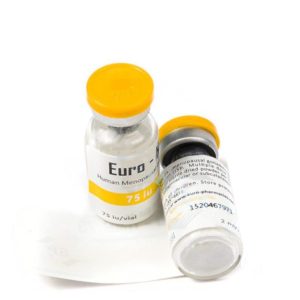
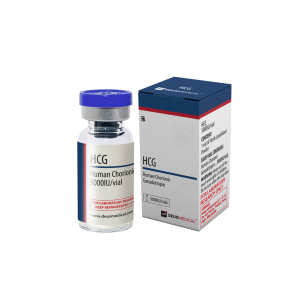
Human Chorionic Gonadotropin is a glycoprotein hormone naturally produced during pregnancy that shares structural similarity with luteinising hormone. This compound from Stroid UK Shop represents pharmaceutical-grade HCG extensively studied in reproductive endocrinology research. Investigators examine its dual gonadotropic properties through both FSH and LH receptor binding pathways. The 5000IU concentration provides researchers with standardised dosing for controlled laboratory investigations into gonadotropin receptor signalling mechanisms.
Laboratory Research Applications
Research teams investigate HCG’s role in steroidogenesis regulation through its interaction with LH/CG receptors in testicular and ovarian tissue models. Studies examine how this gonadotropin influences testosterone production pathways in Leydig cells and corpus luteum maintenance in reproductive research. Endocrinology laboratories utilise HCG to study hypothalamic-pituitary-gonadal axis function and feedback mechanisms. Researchers conducting post cycle therapy research examine its ability to stimulate endogenous testosterone production following suppression periods. Additional investigations focus on its angiogenic properties and potential neuroprotective effects through β-hCG subunit activity.
Chemical Specifications
| Parameter | Specification |
|---|---|
| Active Ingredient | Human Chorionic Gonadotropin |
| Concentration | 5000 International Units |
| Molecular Weight | 36,700 Da (approximate) |
| Subunits | α-subunit (92 amino acids), β-subunit (145 amino acids) |
| Half-life | 24-36 hours (in vivo studies) |
| Storage | 2-8°C, protect from light |
| Manufacturer | Ultima Pharmaceuticals |
Comparative studies with selective androgen receptor modulators demonstrate distinct mechanisms of action, while research alongside peptide compounds explores synergistic effects in reproductive biology investigations.
Research Compliance Notice
This Human Chorionic Gonadotropin 5000IU product is intended strictly for in-vitro laboratory research purposes. Investigators must adhere to institutional protocols and safety guidelines when handling this research material. Not approved for human consumption or therapeutic applications.