Research-Grade Metformin Hydrochloride Overview
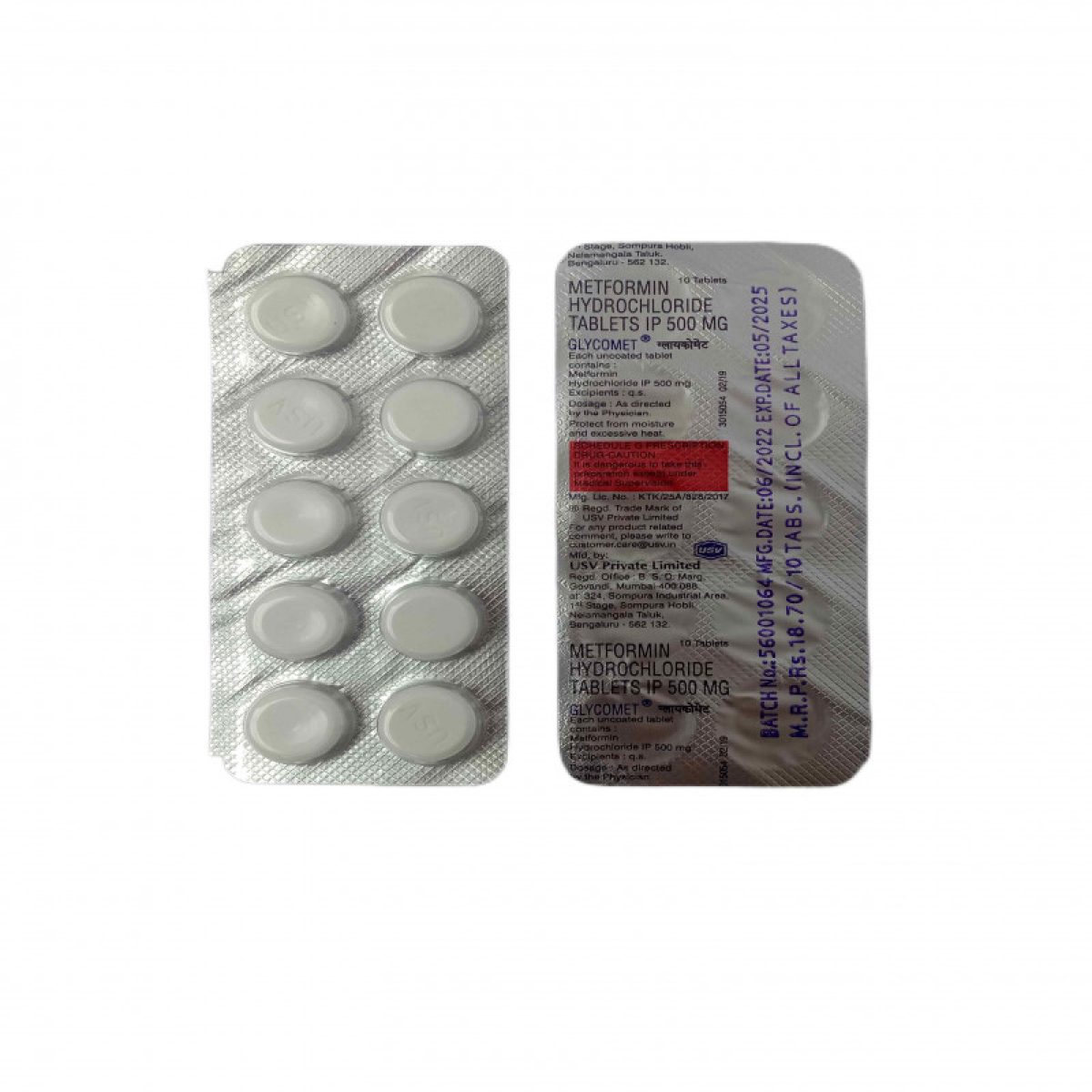
Glycomet 500mg is a pharmaceutical-grade metformin hydrochloride preparation manufactured by USV Private Ltd for laboratory research applications. This biguanide compound represents a well-established tool for investigating cellular glucose metabolism, mitochondrial bioenergetics, and AMPK pathway activation in controlled research environments. Researchers at Stroid UK Shop can access this standardised preparation for comprehensive metabolic studies examining insulin sensitivity mechanisms and energy homeostasis pathways.
Laboratory Research Applications
This metformin hydrochloride formulation enables researchers to investigate multiple biochemical pathways relevant to metabolic research. Studies commonly examine AMPK activation cascades, hepatic gluconeogenesis inhibition, and mitochondrial respiratory chain complex I interactions in cellular models. The 500mg tablet format provides precise dosing control for experimental protocols investigating glucose uptake mechanisms, fatty acid oxidation pathways, and cellular energy sensing systems. Research teams studying metabolic dysfunction can utilise this compound alongside other investigational agents from our metabolic modulator collection to examine synergistic pathway interactions.
Product Specifications
| Parameter | Specification |
|---|---|
| Active Ingredient | Metformin Hydrochloride |
| Strength | 500mg per tablet |
| Manufacturer | USV Private Ltd |
| Pack Size | 10 tablets |
| CAS Number | 1115-70-4 |
| Molecular Formula | C₄H₁₁N₅·HCl |
| Storage | Room temperature, dry conditions |
Researchers can complement these metabolic investigations with compounds from our SARMS category or explore additional research tools in our peptides section for comprehensive experimental designs.
Research Compliance Statement
Glycomet 500mg tablets are supplied exclusively for in-vitro laboratory research purposes. This metformin hydrochloride preparation is not intended for human consumption, therapeutic use, or any application outside controlled research environments. Researchers must ensure compliance with institutional research protocols and maintain appropriate laboratory safety standards when handling this compound. All experimental work should be conducted by qualified personnel in properly equipped research facilities with suitable analytical capabilities.