Research Overview: Drostanolone Propionate 100mg
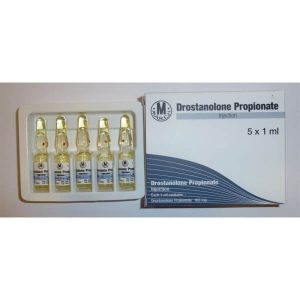
Drostanolone Propionate is a synthetic anabolic-androgenic steroid (AAS) derivative of dihydrotestosterone, specifically designed for in-vitro laboratory research applications. This 100mg/ml formulation enables researchers to investigate androgen receptor interactions, protein synthesis pathways, and muscle tissue development mechanisms in controlled laboratory settings. Research scientists at Stroid UK Shop utilise this compound to examine the molecular basis of anabolic processes and steroid hormone signalling cascades.
Scientific Research Applications
Laboratory studies focus on examining drostanolone propionate’s selective androgen receptor modulation properties and its effects on cellular protein synthesis. Researchers investigate this compound’s unique molecular structure to understand how the propionate ester affects bioavailability and cellular uptake in tissue culture models. Studies examine the compound’s potential applications in muscle wasting research, examining how it influences myofibrillar protein degradation pathways. Comparative research with other drostanolone derivatives helps scientists understand structure-activity relationships within this steroid class. Advanced research protocols investigate the compound’s interaction with sex hormone-binding globulin and its effects on androgen receptor expression patterns. Scientists also examine potential synergistic effects when researching alongside selective androgen receptor modulators and research peptides in comprehensive laboratory studies.
Product Specifications
| Parameter | Specification |
|---|---|
| Active Compound | Drostanolone Propionate |
| Concentration | 100mg/ml |
| Molecular Formula | C23H36O3 |
| Molecular Weight | 360.53 g/mol |
| CAS Number | 521-12-0 |
| Storage Temperature | Room temperature, protected from light |
| Purity | ≥98% (HPLC verified) |
| Form | Injectable solution |
Research Compliance Statement
This drostanolone propionate formulation is manufactured exclusively for in-vitro laboratory research purposes and is not intended for human consumption, therapeutic use, or any form of clinical application. Researchers must ensure proper laboratory protocols, safety procedures, and regulatory compliance when conducting studies with this compound. All research activities must be conducted in appropriately licensed facilities with proper documentation and ethical oversight.