Understanding Drolos Pharmacom
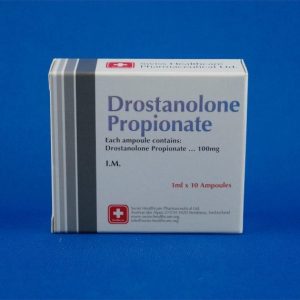
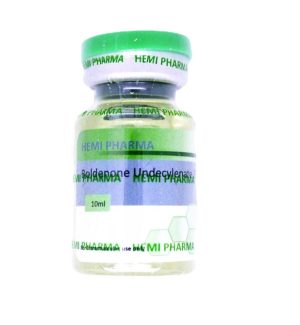
Drostanolone propionate is an anabolic androgenic steroid derived from dihydrotestosterone, specifically investigated in laboratory research for its androgenic properties and receptor binding characteristics. This compound exhibits unique molecular features that make it valuable for in-vitro studies examining steroid-receptor interactions and androgenic pathway mechanisms. Researchers at Stroid UK Shop frequently investigate this compound alongside other androgenic modulators to understand its distinctive biochemical profile and receptor selectivity patterns.
Laboratory Investigation Applications
In research environments, scientists examine drostanolone propionate for its distinctive androgenic receptor binding properties and tissue-selective activity profiles. Studies investigate its molecular interactions with androgen receptors, particularly focusing on its resistance to aromatisation and 5α-reductase metabolism. Research applications include comparative studies with other drostanolone compounds to evaluate structural-activity relationships. Laboratory investigations also examine its metabolic pathways and enzymatic interactions. Researchers studying broader anabolic pathways often compare findings with selective androgen receptor modulators and research peptides to understand mechanistic differences between steroid and non-steroid androgenic compounds.
Technical Specifications
| Parameter | Value |
|---|---|
| CAS Number | 521-12-0 |
| Molecular Formula | C₂₃H₃₆O₃ |
| Molecular Weight | 360.53 g/mol |
| Chemical Class | Anabolic Androgenic Steroid |
| Solubility | Lipophilic, oil-based formulations |
| Storage Temperature | Room temperature, protect from light |
| Stability | Stable under recommended storage conditions |
| Research Applications | Androgen receptor studies, steroid metabolism |
Regulatory Compliance Statement
This product is intended strictly for in-vitro laboratory research purposes only. Drostanolone propionate is not approved for human consumption, therapeutic use, or any application outside controlled laboratory environments. Researchers must ensure compliance with all applicable local and international regulations governing the handling, storage, and investigation of research chemicals. This compound should only be handled by qualified laboratory personnel with appropriate training in chemical safety protocols and research methodologies.