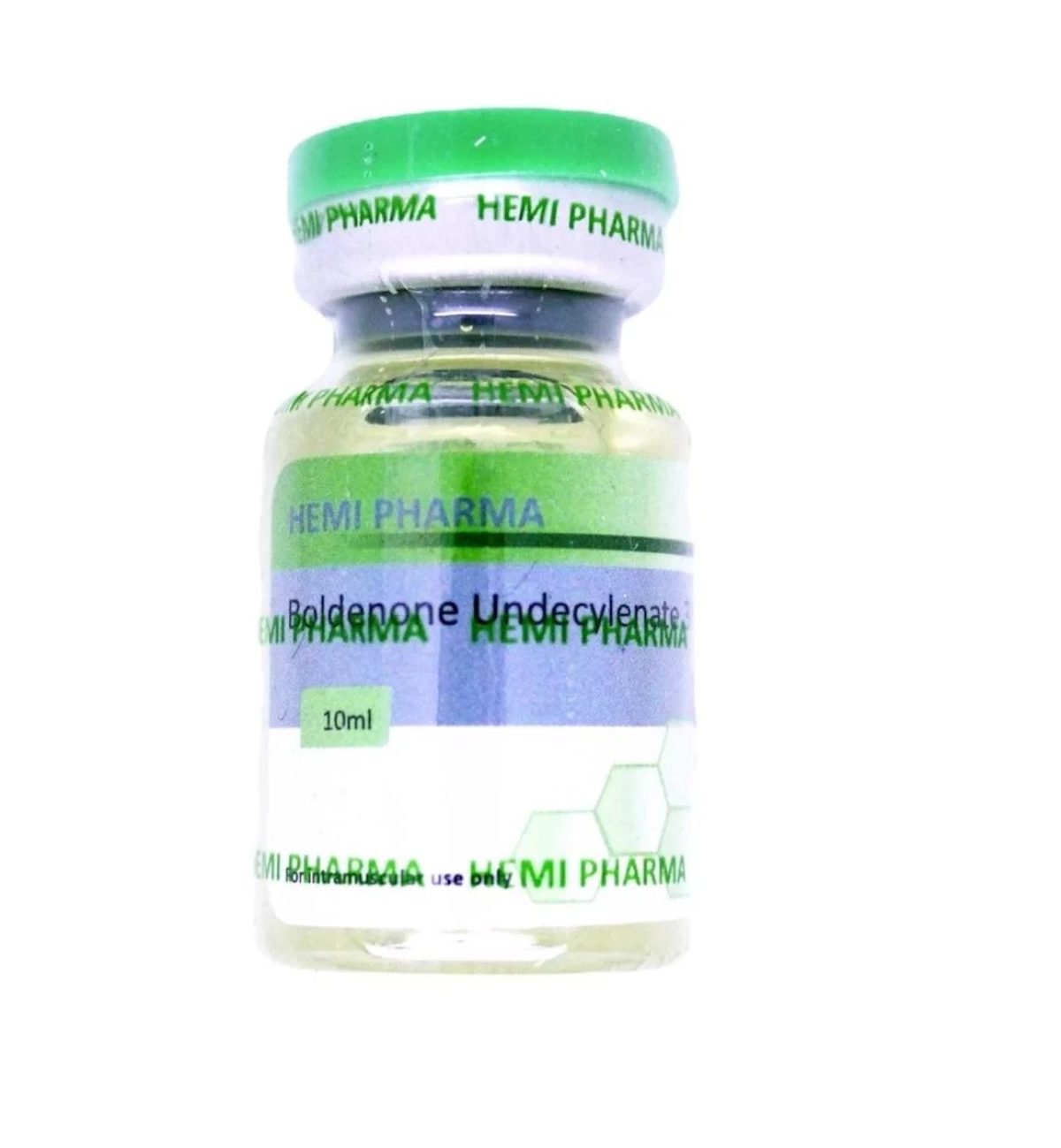
Product Overview: Boldenone Undecylenate
Boldenone Undecylenate is a synthetic anabolic steroid derived from testosterone with structural modifications at the 1-position double bond. This veterinary compound, available in 300mg concentration, provides researchers with a powerful tool for investigating androgenic receptor binding mechanisms and anabolic pathways in controlled laboratory environments. At Stroid UK Shop, we supply pharmaceutical-grade research materials to support your investigative protocols with reliable compound consistency.
Laboratory Applications
Research teams examine Boldenone Undecylenate to study its unique androgenic-to-anabolic ratio properties in cellular models. The compound demonstrates interesting characteristics in protein synthesis studies, making it valuable for researchers investigating muscle tissue development pathways and nitrogen retention mechanisms. Scientists frequently analyse this compound alongside other research materials from our steroid injection collection to understand comparative androgenic effects. The 300mg formulation enables precise dosing calculations for experimental protocols requiring higher concentration levels. Research applications extend to metabolic studies examining the compound’s interaction with cellular energy systems. Many laboratories integrate this material with compounds from our SARMs range and peptide collection for comprehensive androgenic pathway research programmes.
Technical Specifications
| Parameter | Specification |
|---|---|
| Chemical Name | 1-Dehydrotestosterone 17β-undecylenoate |
| Concentration | 300mg/ml |
| Molecular Formula | C₃₀H₄₄O₃ |
| Molecular Weight | 452.67 g/mol |
| CAS Number | 13103-34-9 |
| Storage Requirements | Room temperature, away from light |
| Solubility | Oil-based injectable solution |
| Research Grade | Laboratory analytical standard |
Research Compliance
This Boldenone Undecylenate 300mg formulation is supplied exclusively for in-vitro research applications and laboratory analytical procedures. The compound is not intended for human consumption, therapeutic use, or any application outside controlled research environments. Researchers must maintain appropriate laboratory safety protocols and ensure compliance with local regulations governing research chemical handling. All experimental work should be conducted by qualified personnel in licensed research facilities with proper ventilation and safety equipment.