AOD9604 Peptide Research Overview
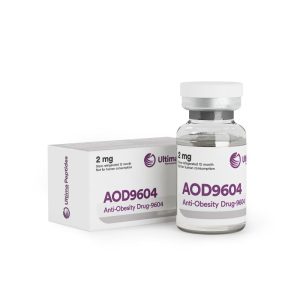
AOD9604 is a synthetic peptide fragment derived from the C-terminal region of human growth hormone, specifically amino acids 176-191. This modified sequence has been extensively studied in metabolic research laboratories worldwide. The peptide maintains the fat-reducing properties of growth hormone without affecting blood glucose levels or promoting cell proliferation in preclinical models. Researchers investigating adipocyte metabolism and lipid oxidation pathways find AOD9604 particularly valuable due to its selective mechanism of action. Studies have demonstrated its ability to stimulate lipolysis in adipose tissue while enhancing fatty acid oxidation in laboratory settings.
When researchers examine metabolic modulators available at Stroid UK Shop, AOD9604 stands out for its specificity in targeting fat metabolism without the broader anabolic effects associated with full-length growth hormone. The peptide’s oral bioavailability has been confirmed in animal models, making it suitable for various administration routes in research protocols. Scientists studying obesity, metabolic dysfunction, and energy expenditure pathways frequently incorporate AOD9604 into their experimental designs. The compound’s stability profile and consistent results across multiple study types have established it as a reliable research tool in the field of metabolic science.
Laboratory Research Applications
In controlled laboratory environments, AOD9604 is primarily used to investigate mechanisms of fat oxidation and energy metabolism. Researchers examining the AOD 9604 peptide category utilize this compound to study adenylyl cyclase activation and cyclic adenosine monophosphate (cAMP) signalling pathways. Cell culture studies have demonstrated the peptide’s ability to stimulate hormone-sensitive lipase activity, making it valuable for understanding lipolytic processes at the molecular level. Scientists investigating metabolic disorders often combine AOD9604 with other research compounds to examine synergistic effects on cellular energy production.
Advanced research protocols frequently incorporate AOD9604 alongside other metabolic modulators and selective androgen receptor modulators to study comprehensive metabolic profiles. The peptide’s selectivity for adipose tissue makes it an excellent model compound for researchers examining tissue-specific metabolic responses. Laboratory studies have shown consistent dose-dependent effects on lipolysis markers, enabling researchers to establish reliable concentration-response relationships. When combined with other research peptides, AOD9604 provides valuable insights into complex metabolic interactions and regulatory mechanisms.
Product Specifications
| Parameter | Specification |
|---|---|
| Chemical Name | AOD9604 (hGH Fragment 176-191) |
| Molecular Formula | C₇₈H₁₂₃N₂₃O₂₃S₂ |
| Molecular Weight | 1815.08 g/mol |
| CAS Number | 221231-10-3 |
| Purity | ≥98% (HPLC verified) |
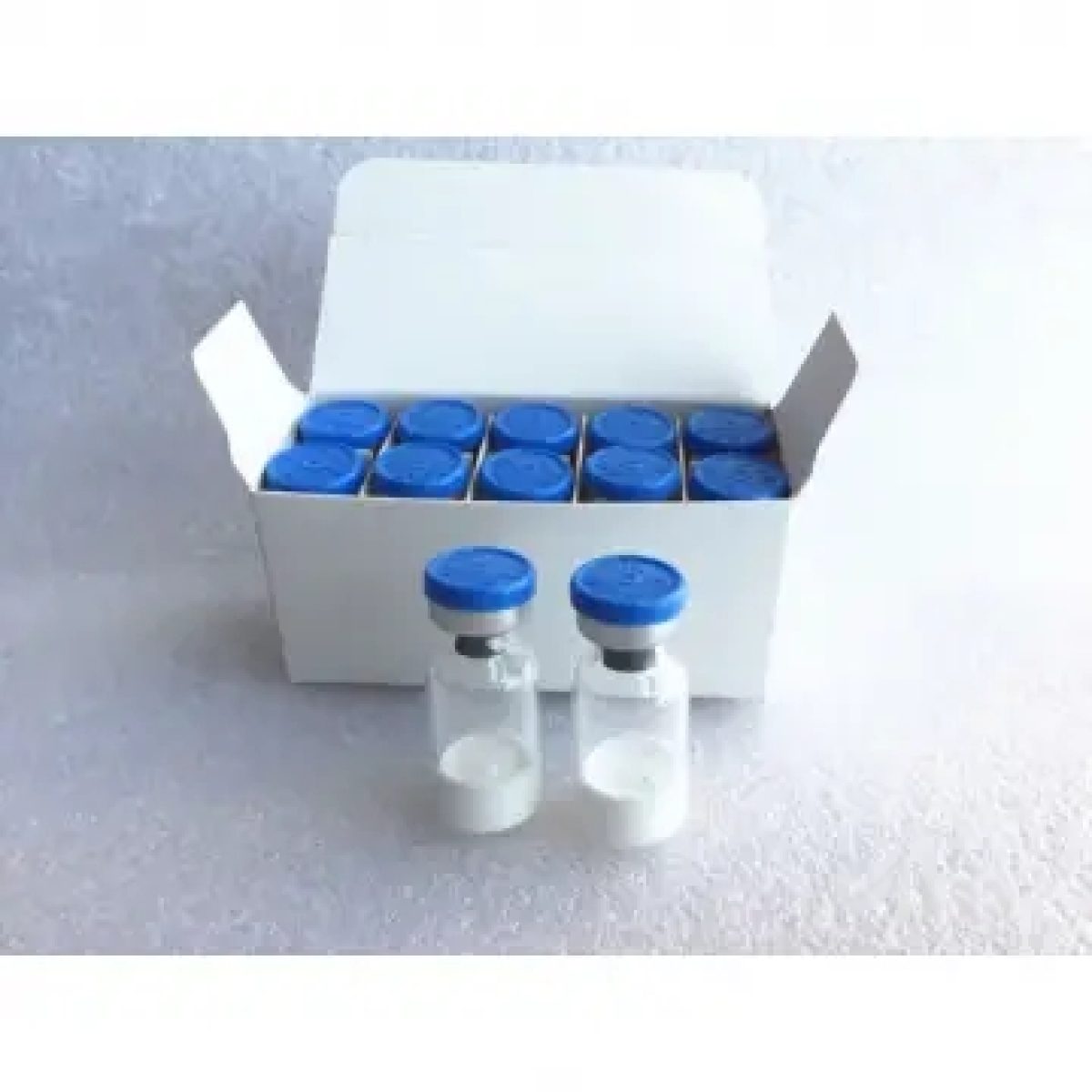
| Physical Form | Lyophilised white powder |
| Storage | -20°C, protect from light |
| Reconstitution | Bacteriostatic water recommended |
Research Compliance Statement
AOD9604 2mg is manufactured exclusively for in-vitro research applications and laboratory studies. This product is not intended for human consumption, therapeutic use, or any clinical applications. All research involving AOD9604 must be conducted by qualified researchers in appropriate laboratory facilities following institutional safety protocols. Proper handling procedures, including the use of personal protective equipment and fume hoods, should be observed at all times. Storage should maintain the peptide’s stability at -20°C until reconstitution. Researchers are responsible for ensuring compliance with local regulations governing peptide research compounds.