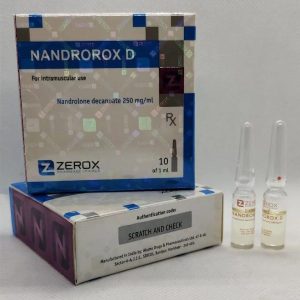
10 amp-Testosterone Enanthate – at a Glance
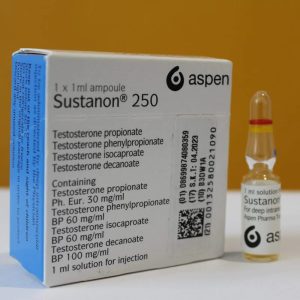
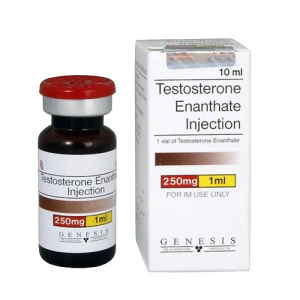
Testosterone enanthate is a long-acting synthetic ester of the primary male androgen hormone, formulated at 250mg/ml concentration in sterile pharmaceutical ampoules. This EU-manufactured research chemical enables detailed investigation of androgenic receptor binding mechanisms, cellular protein synthesis pathways, and hormonal regulatory cascades in controlled laboratory environments. Research scientists examine how esterified testosterone compounds interact with androgen receptors across various tissue models, providing valuable data for endocrinological studies. The enanthate ester modification extends the compound’s stability profile, making it particularly suitable for extended research protocols requiring consistent hormone concentrations. Researchers at Stroid UK Shop utilise this pharmaceutical-grade compound to study anabolic signalling pathways, gene expression modulation, and tissue-specific androgenic responses under controlled experimental conditions.
Scientific Research Applications
Laboratory investigations focus on testosterone enanthate’s interaction with cellular androgen receptors and subsequent downstream signalling cascades. Research protocols examine the compound’s effects on protein synthesis markers, nitrogen retention mechanisms, and cellular proliferation rates in various tissue cultures. Scientists investigate how the enanthate ester influences bioavailability patterns and receptor occupancy duration compared to shorter-acting testosterone esters. Studies analyse the compound’s impact on hypothalamic-pituitary-gonadal axis feedback mechanisms and luteinising hormone regulation in experimental models. Advanced research examines tissue-specific responses, particularly in muscle, bone, and neural tissue samples. The pharmaceutical-grade formulation allows researchers to study precise dose-response relationships and pharmacokinetic profiles. Investigators utilising testosterone research compounds examine comparative ester kinetics and receptor binding affinities across different experimental timeframes, contributing to broader understanding of androgenic hormone biology.
Product Specifications
| Parameter | Specification |
|---|---|
| Concentration | 250mg/ml |
| Volume per Ampoule | 1ml |
| Quantity | 10 ampoules |
| Manufacturing | EU Pharmaceutical |
| Ester Type | Enanthate (7-carbon chain) |
| Molecular Formula | C₂₆H₄₀O₃ |
| Storage Requirements | Room temperature, protect from light |
| Purity Grade | Pharmaceutical standard |
Each ampoule contains precisely measured testosterone enanthate in sterile solution, manufactured under strict pharmaceutical quality controls. The compound exhibits excellent stability characteristics suitable for extended research programmes. Quality assurance protocols ensure consistent potency and purity across all batches. Researchers studying selective androgen modulators often use testosterone enanthate as a reference standard for comparative receptor binding studies. The pharmaceutical-grade formulation provides reliable baseline data for experiments examining alternative androgenic compounds and their relative efficacies.
Research Compliance Statement
This testosterone enanthate research chemical is manufactured exclusively for in-vitro laboratory research applications and scientific investigation purposes. The compound is not intended for human consumption, therapeutic use, or any applications outside controlled laboratory environments. Researchers must maintain appropriate laboratory protocols, safety procedures, and regulatory compliance when handling this research chemical. All investigations should be conducted by qualified laboratory personnel with proper training in androgenic compound research methodologies. Studies involving peptide research compounds often incorporate testosterone standards for comparative hormonal pathway analysis. Institutions must ensure all research activities comply with relevant scientific ethics guidelines and local regulatory requirements governing research chemical handling and experimental protocols.