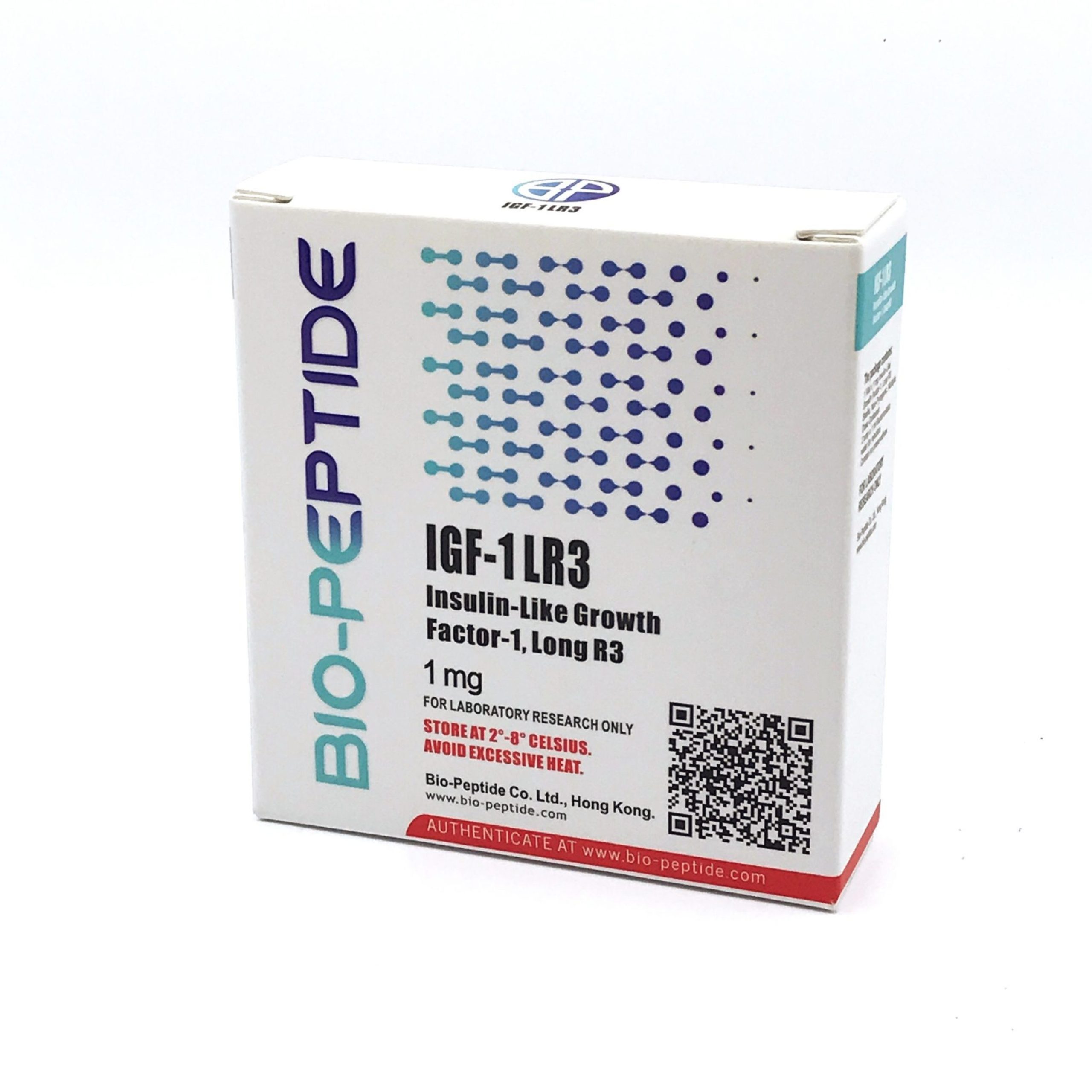
Compound Profile: IGF-1 LR3
IGF-1 LR3 is a synthetic peptide analogue of insulin-like growth factor-1, engineered with extended half-life properties for laboratory investigations. This research compound features modified amino acid sequences that enhance stability and bioactivity in experimental conditions. Scientists at Stroid UK Shop supply this Bio-Peptide formulation exclusively for in-vitro research applications examining cellular growth mechanisms and metabolic pathways.
Laboratory Applications
Research teams investigate IGF-1 LR3 for its unique properties in cellular studies and growth factor research. Laboratory protocols examine this peptide’s interaction with IGF receptors and its prolonged activity compared to native IGF-1. Scientists studying regenerative processes utilise this compound alongside other research materials from our peptides collection to understand complex biological mechanisms. Comparative studies often incorporate this peptide with compounds from our SARMs range to investigate synergistic effects in controlled laboratory environments. Research applications extend to metabolic studies, where scientists analyse cellular response patterns and growth factor signalling cascades using sophisticated analytical techniques.
Technical Specifications
| Parameter | Specification |
|---|---|
| Molecular Formula | Verify with supplier |
| Molecular Weight | Verify with supplier |
| Purity | ≥98% (HPLC verified) |
| Form | Lyophilised powder |
| Storage | -20°C, desiccated |
| CAS Number | Verify with supplier |
| Solubility | Water soluble |
| Sequence Length | 83 amino acids |
This premium-grade research material undergoes rigorous quality control testing to ensure consistency across experimental protocols. Researchers frequently combine studies with other compounds from our comprehensive peptides catalogue to develop comprehensive research programmes.
Research Compliance
IGF-1 LR3 1mg Bio-Peptide is supplied exclusively for legitimate scientific research purposes. This product is not intended for human consumption, therapeutic use, or any application outside controlled laboratory environments. Researchers must comply with institutional guidelines and regulatory requirements when handling this material.