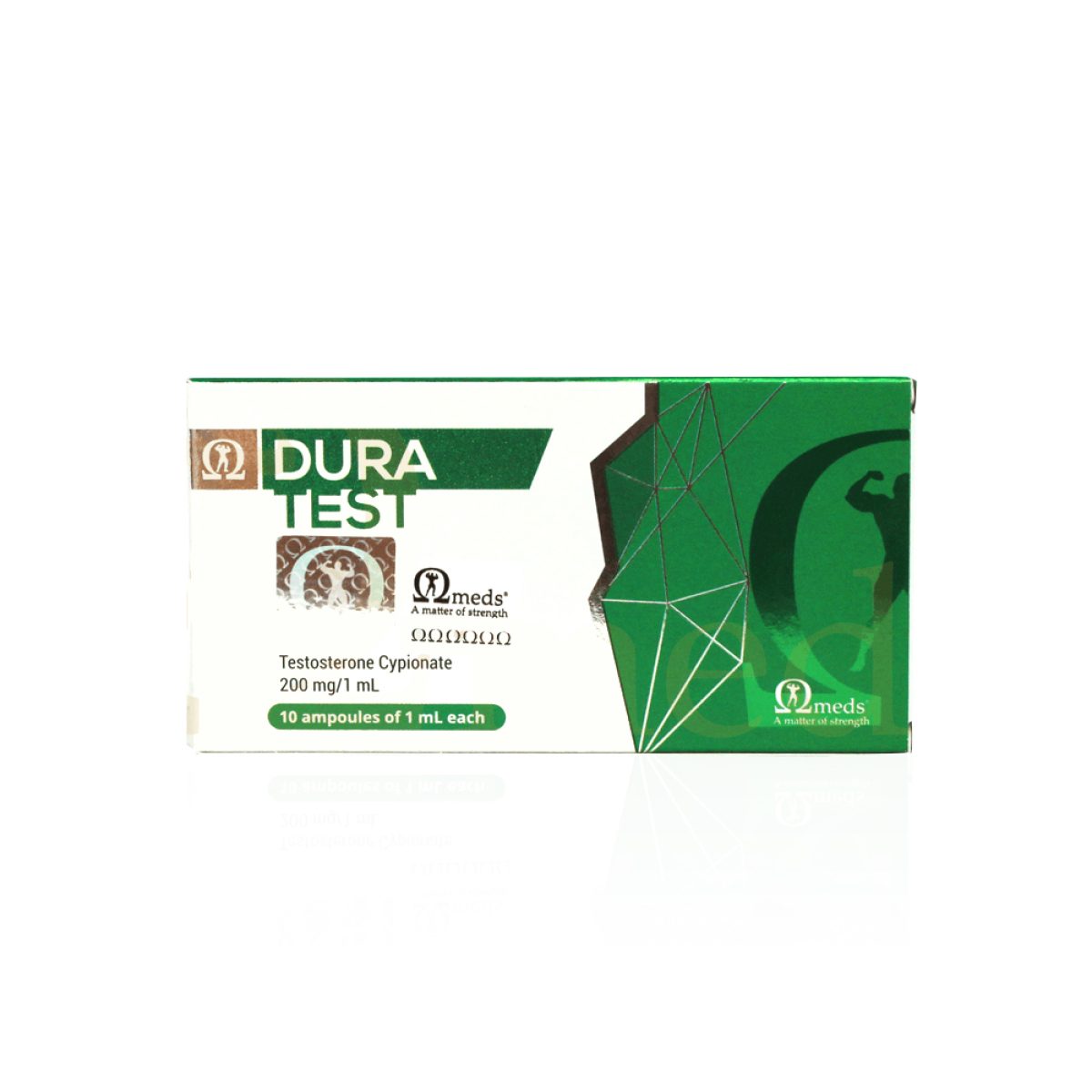

Dura Test (Testosterone Cypionate) — Research Summary
Testosterone Cypionate is a synthetic androgenic-anabolic steroid compound featuring a long-acting cypionate ester, formulated at 200mg concentration for dedicated laboratory investigation. This research chemical enables controlled examination of androgenic receptor mechanisms, protein synthesis pathways, and cellular response patterns in vitro environments. Research facilities investigating hormonal interactions utilise this compound to study testosterone’s molecular binding characteristics and downstream signalling cascades.
Research Applications in Laboratory Studies
Laboratory researchers examine Testosterone Cypionate’s effects on cellular protein synthesis, nitrogen retention mechanisms, and androgen receptor activation patterns. Studies focus on investigating the compound’s prolonged ester release profile, enabling extended observation periods for cellular response analysis. Research applications include examining muscle tissue protein synthesis rates, bone density cellular mechanisms, and metabolic pathway alterations under controlled laboratory conditions. Scientists at Stroid UK Shop utilise this compound alongside other research chemicals from our SARMS collection and peptide research compounds to investigate synergistic cellular interactions. Comparative studies examine this compound against other testosterone preparations available in our testosterone cypionate research category to evaluate differential cellular responses and receptor binding kinetics.
Technical Specifications
| Active Compound | Testosterone Cypionate |
|---|---|
| Concentration | 200mg/ml |
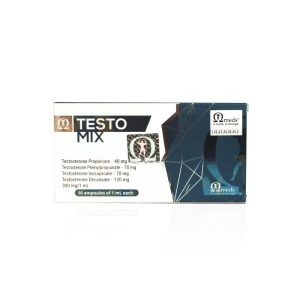
| Manufacturer | Omega Meds |
| CAS Number | 58-20-8 |
| Molecular Formula | C27H40O3 |
| Molecular Weight | 412.6 g/mol |
| Storage Temperature | Room temperature |
| Research Use | In-vitro laboratory studies only |
Research Compliance Statement
This Testosterone Cypionate research chemical is manufactured exclusively for in-vitro laboratory research purposes and cellular studies. Not intended for human consumption, therapeutic use, or any application outside controlled laboratory environments. Researchers must possess appropriate laboratory credentials and follow institutional safety protocols when handling this research compound. All investigations must comply with local research regulations and institutional review board guidelines.