Compound Profile: Caverta
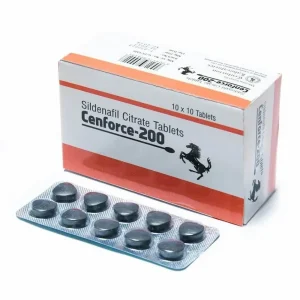
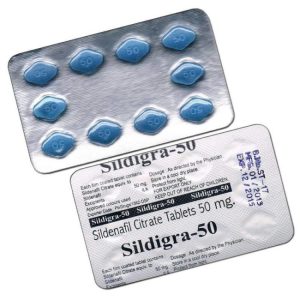
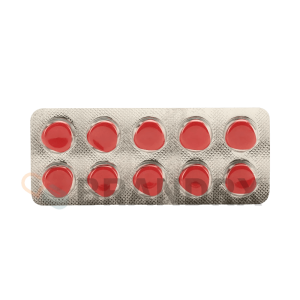
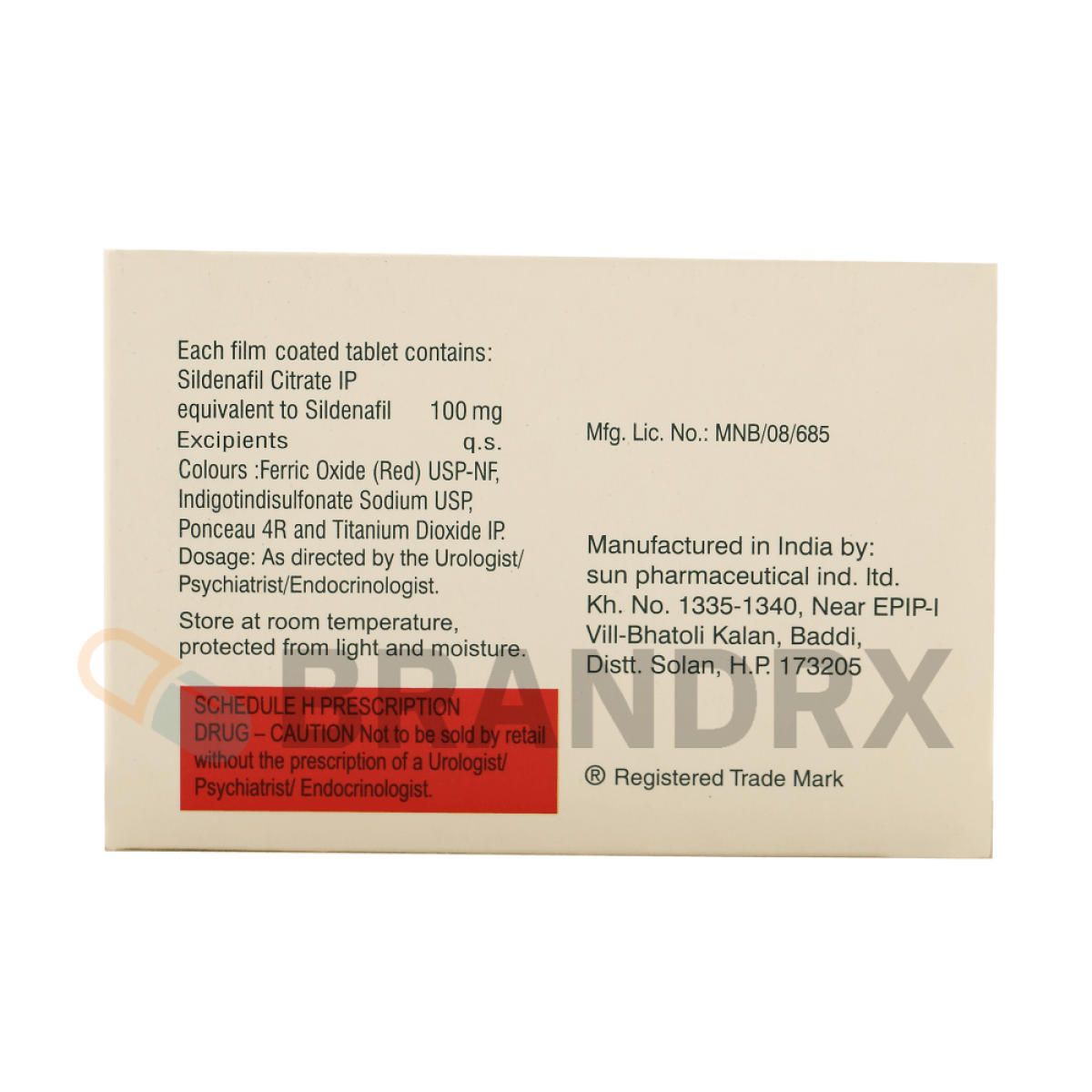
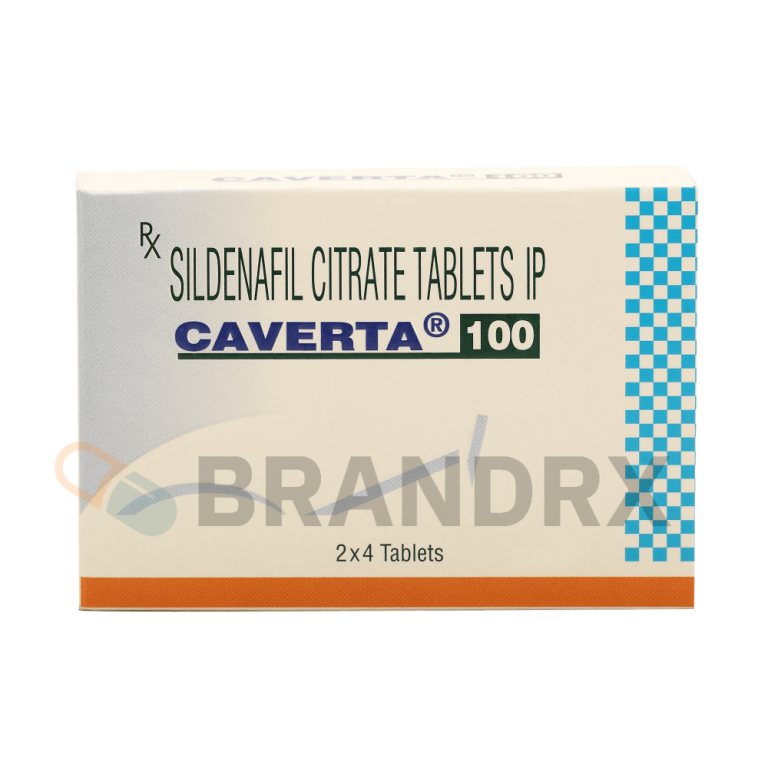
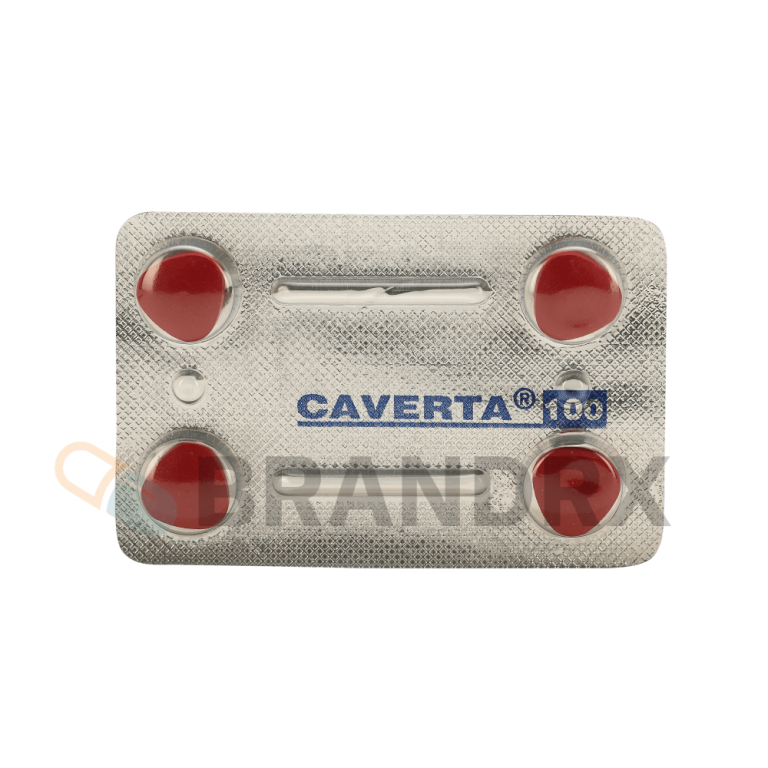
Caverta 100 mg is a pharmaceutical-grade sildenafil citrate formulation designed for in-vitro laboratory investigation of phosphodiesterase-5 (PDE5) enzyme inhibition mechanisms. As a selective PDE5 inhibitor, this compound facilitates detailed studies of cyclic guanosine monophosphate (cGMP) signalling pathways and smooth muscle tissue responses. Researchers at Stroid UK Shop utilise this formulation to examine vascular endothelial function, nitric oxide-mediated signalling cascades, and phosphodiesterase enzyme kinetics in controlled laboratory environments.
Laboratory Applications
Scientific investigations with Caverta evaluate PDE5 inhibition across multiple tissue types, including pulmonary arterial smooth muscle cells and corpus cavernosum tissue samples. Research applications encompass cardiovascular physiology studies, examining how selective PDE5 inhibition affects vascular resistance and blood vessel diameter measurements. Advanced studies incorporate this compound when investigating endothelial dysfunction models and nitric oxide bioavailability in tissue culture systems. Laboratories studying erectile dysfunction pharmaceuticals frequently analyse sildenafil’s molecular interactions with cyclic nucleotide metabolism pathways.
Technical Specifications
| Parameter | Specification |
|---|---|
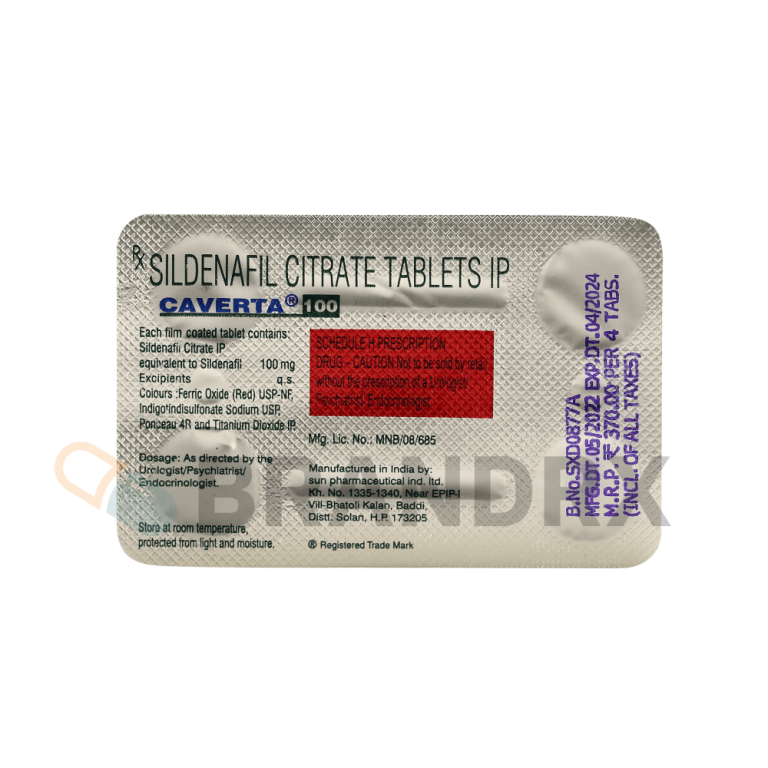
| Active ingredient | Sildenafil citrate |
| Concentration | 100 mg per tablet |
| Form | Pharmaceutical tablet |
| CAS number | 171599-83-0 |
| Molecular formula | C₂₈H₃₈N₆O₁₁S |
| Storage | Room temperature, dry environment |
Comparative studies with other research compounds from our SARMs collection and peptide research materials provide comprehensive understanding of cellular signalling mechanisms across different molecular targets.
Research Compliance Statement
Caverta 100 mg pharmaceutical is supplied exclusively for in-vitro laboratory research and analytical testing purposes. This product is not intended for human consumption, clinical use, or therapeutic applications. All research activities must comply with institutional guidelines and applicable regulations governing laboratory chemical handling and storage protocols.