
Azicip: Compound Profile
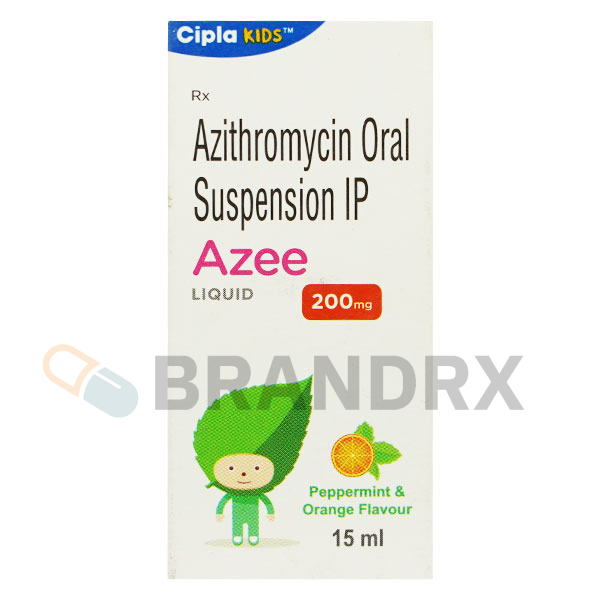
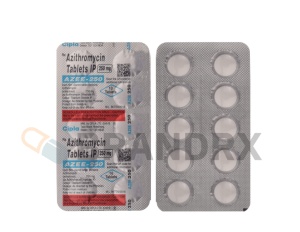
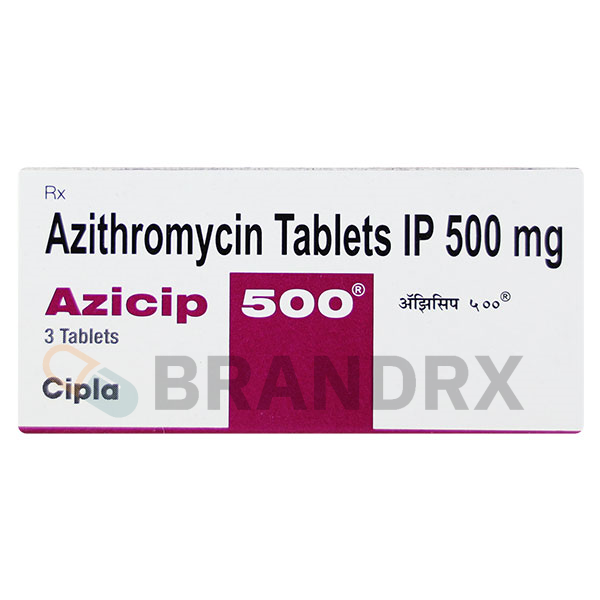
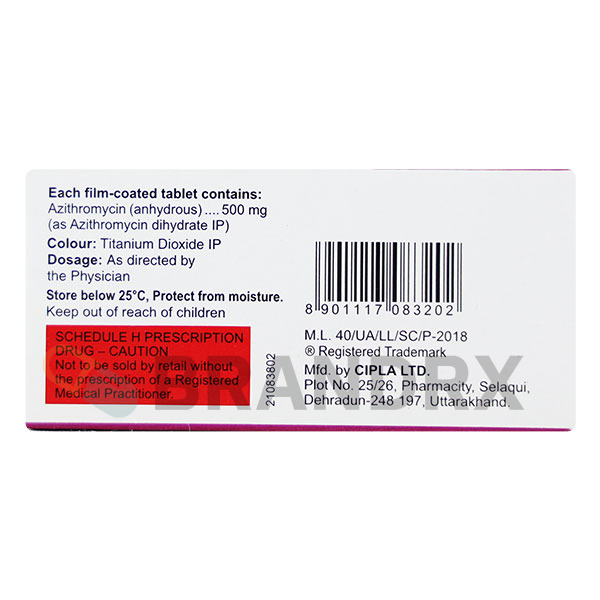
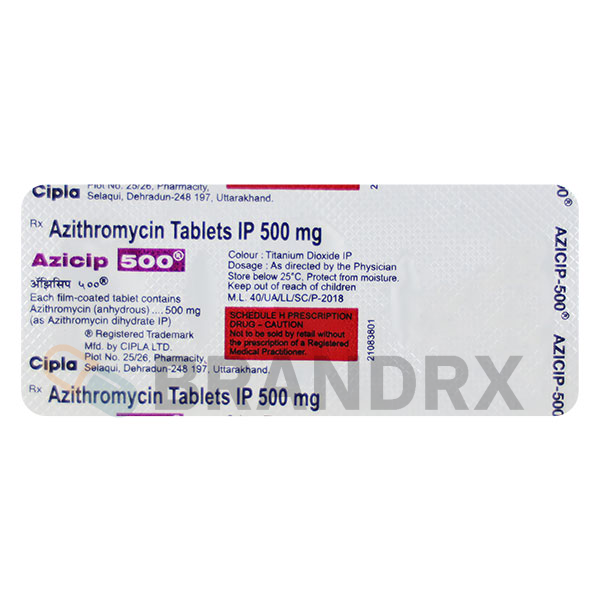
Azicip 500 mg is a macrolide antibiotic compound manufactured by Cipla, containing azithromycin as the active pharmaceutical ingredient. This formulation represents a second-generation macrolide antibiotic that researchers investigate for its unique mechanism of protein synthesis inhibition in bacterial cell cultures. Azithromycin binds to the 50S ribosomal subunit of susceptible bacteria, blocking translocation and effectively halting protein production. Laboratory researchers at Stroid UK Shop frequently study this compound alongside other research materials to examine antimicrobial resistance patterns and bacterial adaptation mechanisms.
Laboratory Applications
Research scientists examine Azicip 500 mg in various experimental contexts, particularly in microbiological studies investigating bacterial cell wall dynamics and antibiotic resistance development. The compound’s extended half-life and tissue distribution characteristics make it valuable for examining time-dependent antimicrobial effects in cell culture systems. Researchers studying antibiotics and general health compounds often investigate azithromycin’s immunomodulatory properties beyond its antimicrobial activity. Studies examine its effects on cytokine production and inflammatory mediator expression in various cell line models. The compound’s ability to accumulate in immune cells provides researchers with insights into intracellular antibiotic distribution patterns and cellular uptake mechanisms that complement studies with SARMs compounds and peptide research materials.
Compound Specifications
| Parameter | Specification |
|---|---|
| Active Compound | Azithromycin |
| Manufacturer | Cipla |
| Strength | 500 mg per unit |
| CAS Number | 83905-01-5 |
| Molecular Formula | C₃₈H₇₂N₂O₁₂ |
| Molecular Weight | 748.98 g/mol |
| Storage Requirements | Room temperature, dry environment |
| Classification | Macrolide antibiotic |
Research Compliance
This Azicip 500 mg product is supplied strictly for in-vitro laboratory research applications only. Researchers must ensure compliance with institutional guidelines and regulatory requirements when conducting studies with antibiotic compounds. This material is not intended for human consumption, therapeutic use, or any non-research applications. Laboratory personnel should follow proper handling protocols and maintain appropriate documentation for all research activities involving this compound.