About GoldStar – Triple X DMHA 300g Gold Star Labs
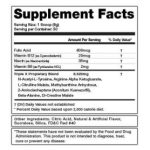
DMHA (2-Aminoisoheptane) is a synthetic stimulant compound investigated in laboratory studies for its interaction with adrenergic receptors and potential neurological effects. This research chemical belongs to the class of phenethylamine derivatives and has been examined in various in-vitro models to understand its pharmacological profile. Research conducted by Stroid UK Shop demonstrates its structural similarity to naturally occurring compounds while maintaining distinct molecular characteristics that make it valuable for laboratory investigations.
Laboratory Applications
Research scientists investigate DMHA for its potential effects on neurotransmitter systems, particularly its interaction with norepinephrine and dopamine pathways in cellular models. Studies examine its binding affinity to adrenergic receptors and its role in modulating sympathetic nervous system activity. Laboratories studying metabolic modulators and stimulant compounds frequently utilise this compound to analyse receptor selectivity and downstream signalling cascades. The compound’s structural properties make it particularly useful for comparative studies with other phenethylamine derivatives in controlled laboratory environments. Research applications extend to investigations of thermogenesis, lipolysis, and metabolic rate modulation in cellular and tissue models, often conducted alongside studies of selective androgen receptor modulators and peptide compounds for comprehensive metabolic research.
Technical Specifications
| Parameter | Value |
|---|---|
| Chemical Name | 2-Aminoisoheptane (DMHA) |
| CAS Number | Verify with supplier |
| Molecular Formula | Verify with supplier |
| Molecular Weight | Verify with supplier |
| Form | Powder |
| Package Size | 300g |
| Storage | Cool, dry place away from light |
| Manufacturer | Gold Star Labs |
Research Compliance
This DMHA research compound is intended exclusively for in-vitro laboratory research and analytical applications. The material is not approved for human consumption, therapeutic use, or any application outside controlled laboratory environments. Researchers must follow institutional safety protocols and maintain appropriate documentation for all experimental procedures involving this compound.