

Research-Grade Creatine Monohydrate Overview
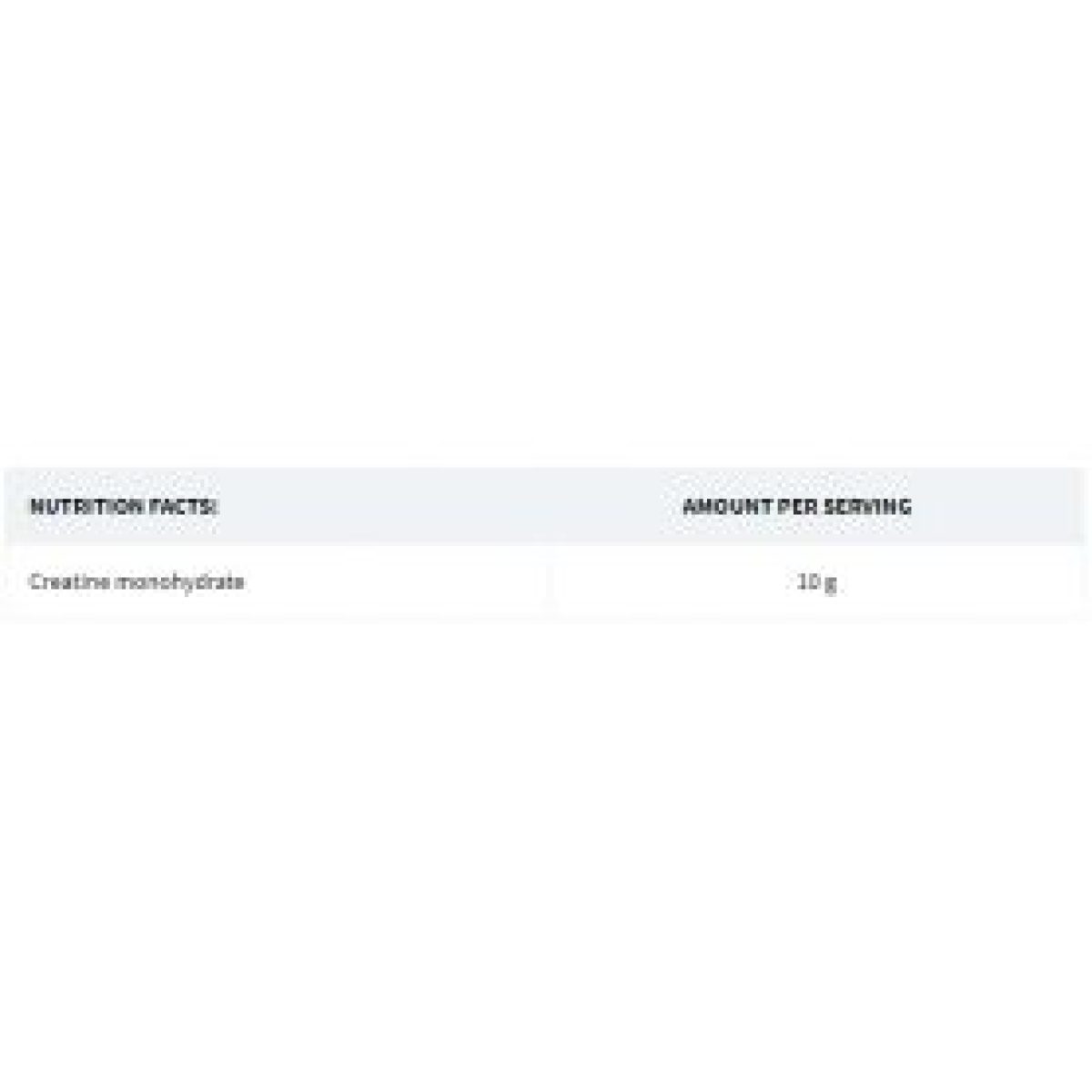
Creatine monohydrate is a naturally occurring compound that plays a fundamental role in cellular energy metabolism research. This 500g supply from Chevron Nutrition offers laboratory researchers a reliable source for investigating the ATP-phosphocreatine energy system and its mechanisms in various cellular models. Creatine serves as a phosphate donor in the rapid regeneration of ATP, making it an essential compound for studies examining cellular bioenergetics and metabolic pathways.
Our laboratory at Stroid UK Shop stocks this research-grade creatine monohydrate alongside other metabolic compounds in our comprehensive sports supplements research category. Researchers studying energy metabolism often examine creatine alongside other compounds available in our SARMs collection and peptide research range for comprehensive metabolic investigations.
Laboratory Research Applications
Creatine monohydrate serves multiple purposes in laboratory research settings. Scientists investigate its role in cellular energy homeostasis, particularly within muscle cell cultures and tissue models. Research applications include studying phosphocreatine kinase activity, examining cellular response to energy stress conditions, and evaluating mitochondrial function in various experimental paradigms. The compound’s involvement in maintaining cellular ATP levels makes it valuable for metabolic research protocols examining energy substrate utilisation and cellular adaptation mechanisms.
Product Specifications
| Parameter | Specification |
|---|---|
| Chemical Name | Creatine Monohydrate |
| CAS Number | 6020-87-7 |
| Molecular Formula | C₄H₉N₃O₂·H₂O |
| Molecular Weight | 149.15 g/mol |
| Physical Form | White crystalline powder |
| Package Size | 500g |
| Storage | Room temperature, dry conditions |
| Purity | Verify with supplier documentation |
Compliance and Research Use
This creatine monohydrate is supplied strictly for in-vitro laboratory research purposes only. It is not intended for human consumption, therapeutic use, or any application outside controlled laboratory environments. Researchers must ensure compliance with institutional guidelines and appropriate safety protocols when handling this research compound. All investigations should be conducted within properly equipped laboratory facilities with adequate safety measures and waste disposal procedures.