Understanding Sermorelin
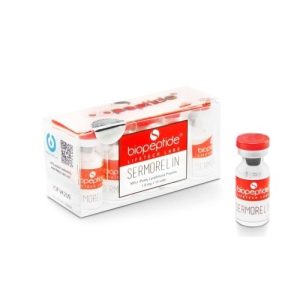
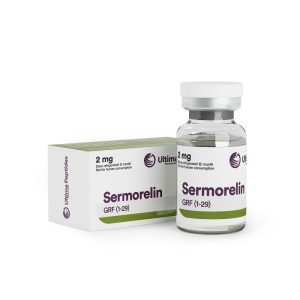
Sermorelin is a synthetic analogue of growth hormone releasing hormone (GHRH) consisting of the first 29 amino acids of the naturally occurring 44-amino acid GHRH peptide. This truncated sequence retains full biological activity for GHRH receptor binding and downstream signalling pathway activation in preclinical models. Laboratory researchers investigating endocrine system function and growth hormone axis regulation frequently examine sermorelin’s mechanisms of action. The compound demonstrates selective binding affinity for GHRH receptors located in anterior pituitary somatotroph cells, making it valuable for studies examining hypothalamic-pituitary communication pathways. Research applications span from basic endocrinology to advanced metabolic studies, with investigators at Stroid UK Shop utilising sermorelin to understand growth hormone secretion patterns.
Laboratory Applications
Primary research applications focus on growth hormone axis modulation studies, where sermorelin serves as a tool for investigating pulsatile GH release mechanisms. Cell culture experiments examine receptor binding kinetics and intracellular signalling cascades activated by GHRH receptor engagement. Animal model studies investigate dose-response relationships and temporal patterns of growth hormone secretion following sermorelin administration. Researchers in peptide research examine its stability characteristics and bioactivity preservation under various storage conditions. Comparative studies often evaluate sermorelin alongside other growth hormone secretagogues to understand mechanistic differences. Advanced research protocols investigate potential synergistic effects when combined with other research peptides in controlled laboratory environments. Investigators also study its effects on IGF-1 expression and downstream anabolic signalling pathways. Some research groups examine circadian rhythm influences on sermorelin responsiveness. Studies investigating age-related changes in GHRH sensitivity frequently employ sermorelin as a standardised research tool. The compound’s relatively short half-life makes it suitable for acute dosing studies examining immediate growth hormone responses, while its peptide structure allows for detailed pharmacokinetic analysis.
Technical Specifications
| Parameter | Specification |
|---|---|
| Chemical Name | Growth Hormone Releasing Hormone (1-29) |
| Molecular Formula | C₁₄₉H₂₄₆N₄₄O₄₂S |
| Molecular Weight | 3357.96 g/mol |
| CAS Number | 86168-78-7 |
| Purity | ≥98% (HPLC) |
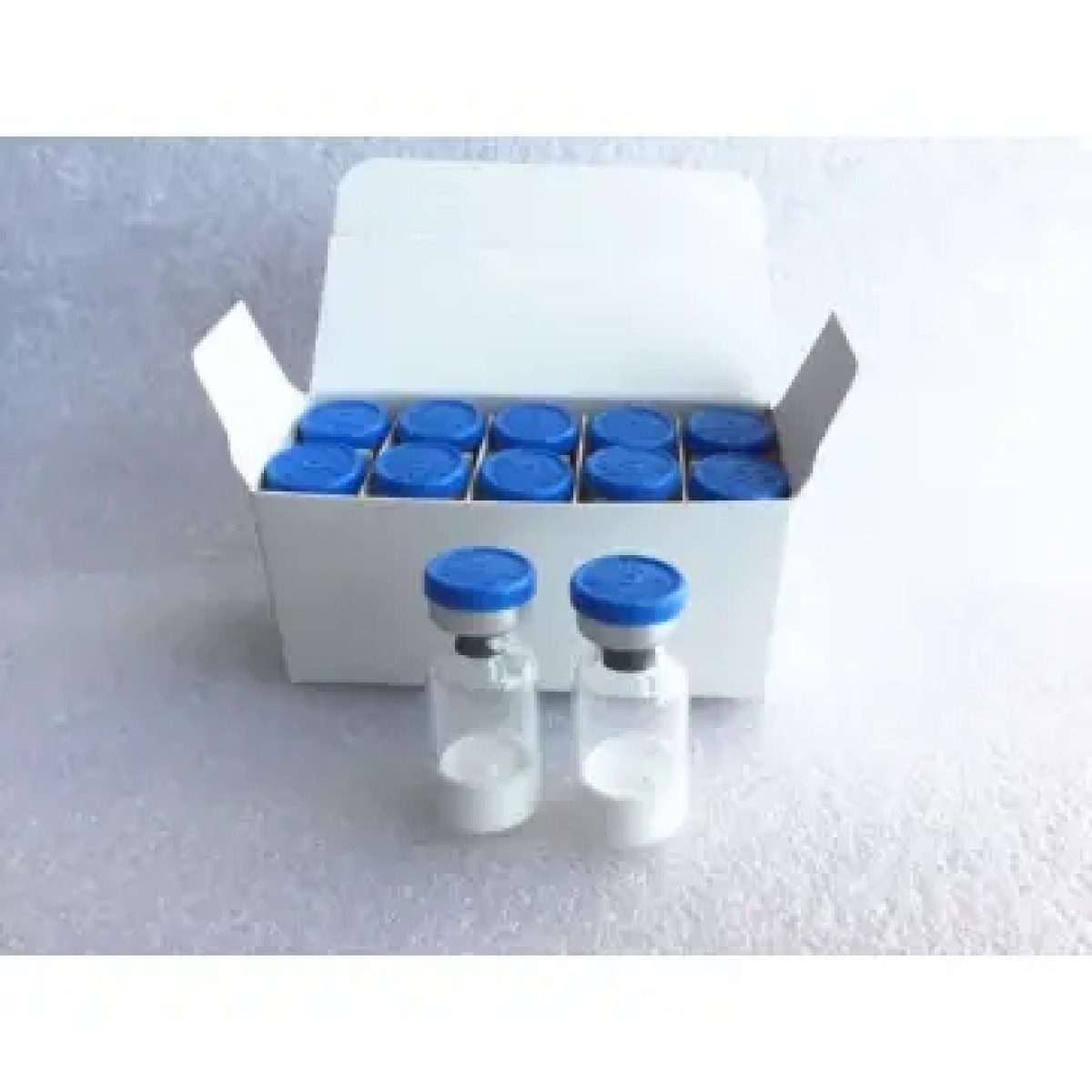
| Form | Lyophilised powder |
| Storage | -20°C, protect from light |
| Solubility | Water, saline solutions |
| Stability | 2 years dry, 30 days reconstituted at 2-8°C |
Quality control testing includes amino acid sequence verification, mass spectrometry confirmation, and endotoxin level determination. Each batch undergoes comprehensive purity analysis using high-performance liquid chromatography with documented certificates of analysis. Researchers should note that reconstituted solutions require sterile water or bacteriostatic water for optimal stability. Storage protocols recommend dividing into single-use aliquots to minimise freeze-thaw cycles. The compound demonstrates excellent solubility in physiological pH solutions, facilitating various experimental protocols. Temperature monitoring during storage ensures maintenance of peptide integrity throughout the research period. Investigators working with selective receptor modulators often appreciate sermorelin’s well-characterised stability profile for multi-compound studies.
Regulatory Compliance
Sermorelin 2mg GENERIC is supplied strictly for in-vitro laboratory research purposes only. This product is not intended for human consumption, therapeutic use, or any application outside controlled laboratory environments. Researchers must comply with institutional guidelines and local regulations governing peptide research. Proper laboratory safety protocols, including appropriate personal protective equipment and waste disposal procedures, must be followed during handling and experimentation. This compound has not been evaluated by regulatory agencies for safety or efficacy in humans and is not approved for any diagnostic or therapeutic application.