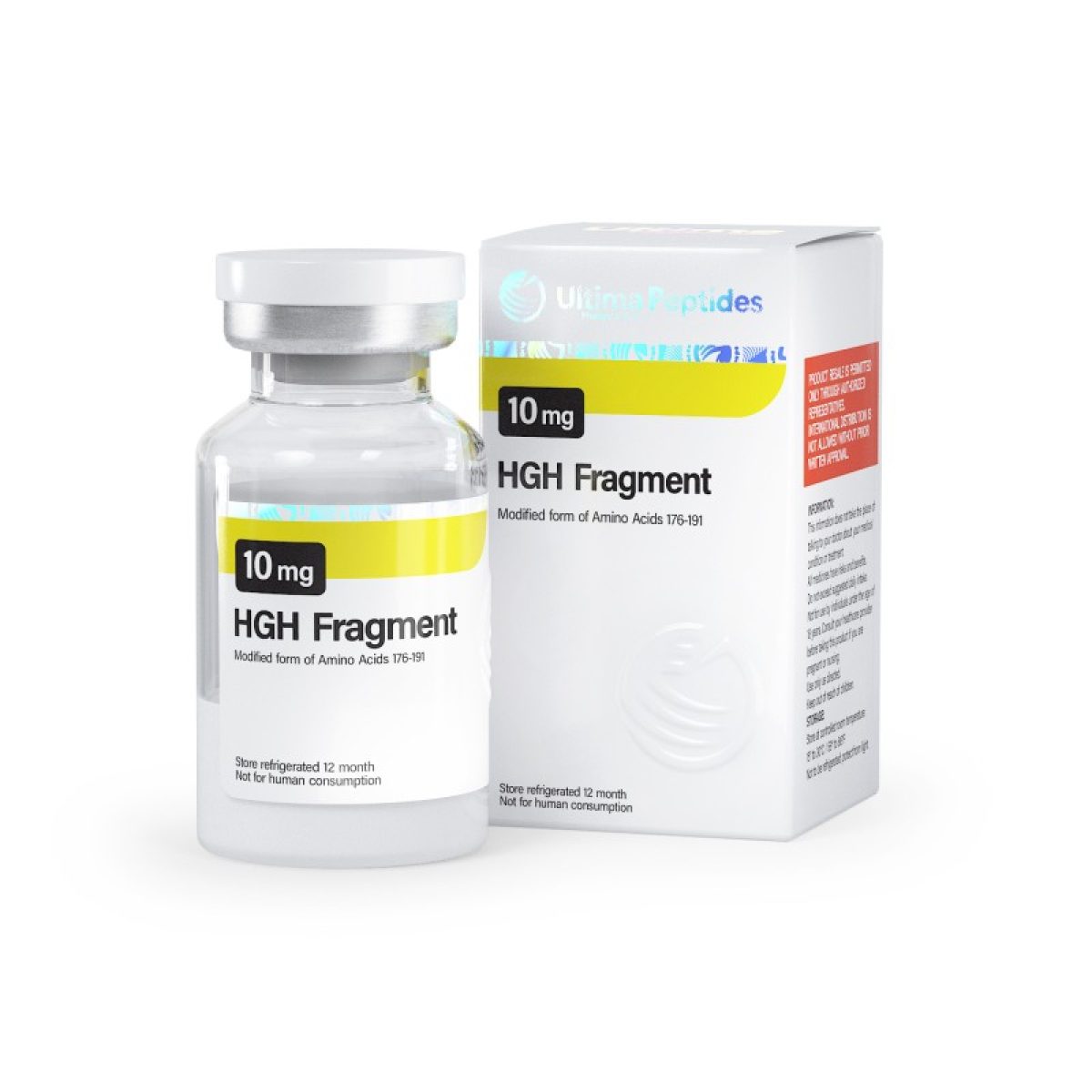

About Ultima HGH Fragment 176-191
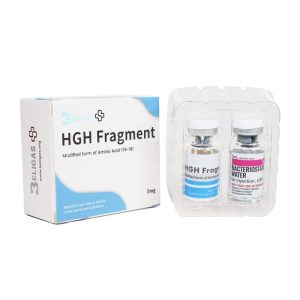
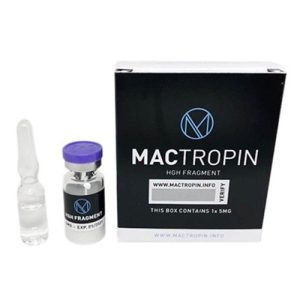
HGH Fragment 176-191 is a synthetic peptide consisting of amino acids 176-191 from the C-terminal region of human growth hormone. This stabilised fragment retains the lipolytic properties of the parent hormone while eliminating the growth-promoting effects observed in preclinical models. Researchers investigating metabolic pathways frequently examine this compound due to its selective mechanism of action. Laboratory studies have demonstrated that this fragment binds to adipocyte receptors and activates hormone-sensitive lipase, making it valuable for understanding fat metabolism at the cellular level. The compound exhibits improved stability compared to full-length growth hormone, with enhanced resistance to enzymatic degradation in research conditions.
Academic institutions studying endocrine signalling pathways utilise this fragment to examine the relationship between growth hormone structure and function. The peptide’s selective activity profile allows researchers to isolate lipolytic effects from other growth hormone-mediated responses. Studies conducted at Stroid UK Shop have characterised its receptor binding kinetics and downstream signalling cascades. The fragment demonstrates tissue-specific activity patterns that differ significantly from intact growth hormone, providing insights into receptor selectivity mechanisms.
Laboratory Applications
Research applications focus primarily on metabolic studies examining adipocyte biology and energy homeostasis. The compound serves as a valuable tool for investigating lipolytic pathways and understanding how growth hormone fragments interact with cellular receptors. Scientists studying obesity-related mechanisms examine this peptide’s effects on fat cell metabolism in controlled laboratory environments. The fragment’s stability characteristics make it suitable for extended experimental protocols requiring consistent compound activity over time.
Comparative studies often evaluate this fragment alongside other peptide research compounds to understand structure-activity relationships. Researchers examining hormonal regulation mechanisms use this fragment to study selective receptor activation patterns. The compound’s documented properties support investigations into metabolic dysfunction and energy balance regulation. Laboratory protocols examining fragment-specific activities benefit from this compound’s well-characterised pharmacological profile. Studies investigating peptide stability and bioactivity frequently incorporate this fragment as a reference standard.
Compound Specifications
| Chemical Name | Human Growth Hormone Fragment 176-191 |
|---|---|
| Molecular Formula | C₇₈H₁₂₅N₂₃O₂₂S₂ |
| Molecular Weight | 1815.08 g/mol |
| Sequence Length | 16 amino acids |
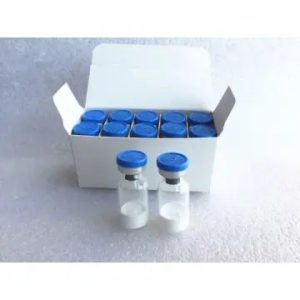
| Physical Form | Lyophilised white powder |
| Storage Conditions | -20°C, protected from light |
Quality control testing ensures consistent purity levels suitable for demanding research applications. The lyophilised formulation provides extended stability under proper storage conditions. Researchers should maintain cold chain protocols during transport and storage to preserve compound integrity. This formulation supports reliable experimental reproducibility across multiple research sessions.
Research Compliance
This HGH Fragment 176-191 preparation is manufactured exclusively for in-vitro laboratory research purposes. The compound is not intended for human consumption, clinical application, or therapeutic use. Researchers must handle this material in accordance with institutional biosafety protocols and applicable regulations. Studies involving research compounds should follow established laboratory safety procedures and maintain detailed experimental documentation. All research activities must comply with local regulatory requirements governing peptide research compounds.