

PEG MGF Research Overview
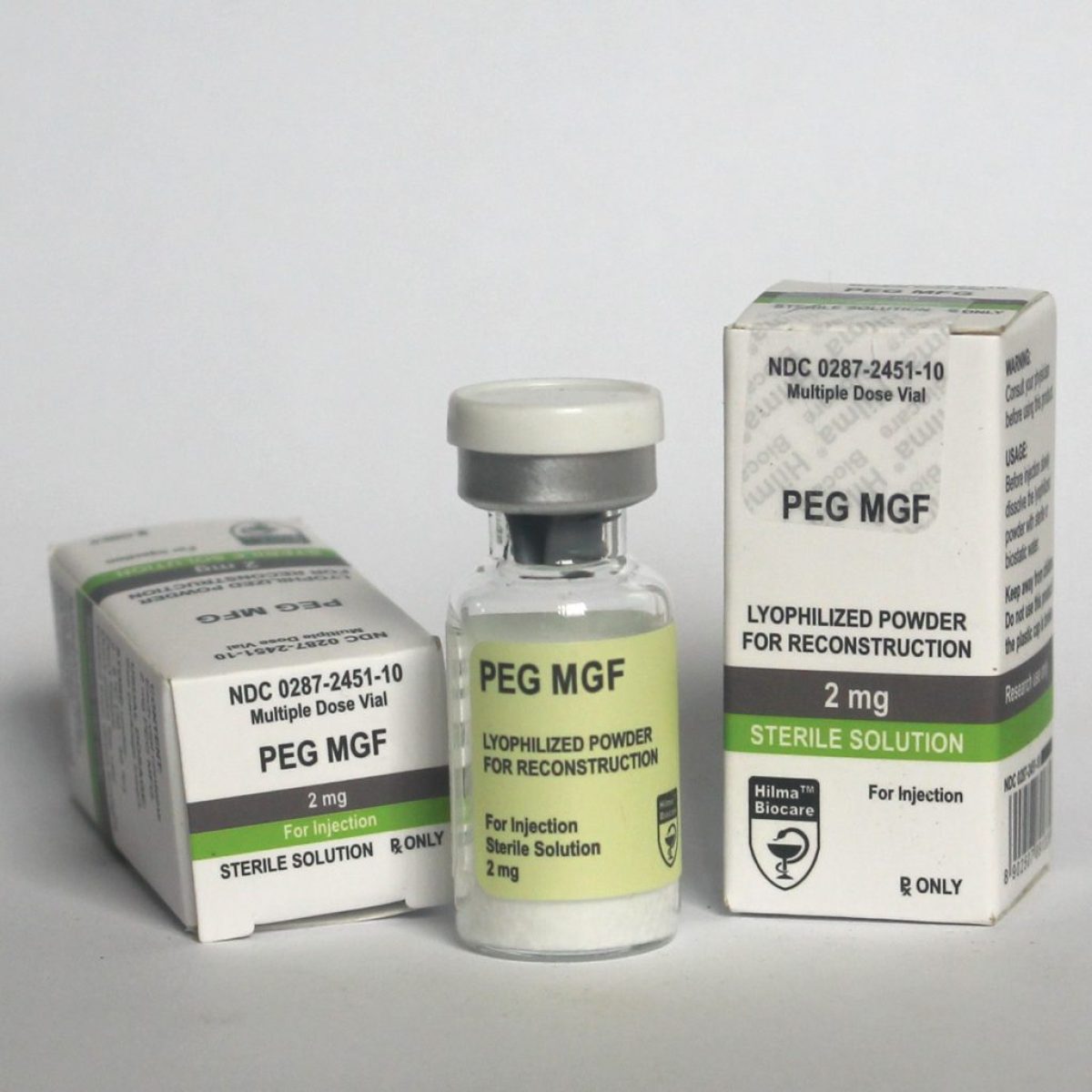
PEG MGF Pharmaceutical is a modified mechano growth factor peptide designed for sophisticated laboratory research applications. This pegylated variant of mechano growth factor (MGF) represents an advanced research tool for investigating muscle tissue biology, cellular repair mechanisms, and regenerative processes in controlled laboratory environments. The pegylation modification extends the peptide’s half-life, making it particularly valuable for extended research protocols examining tissue repair and cellular regeneration pathways.
Laboratory Research Applications
Researchers at Stroid UK Shop frequently study PEG MGF in muscle biology research protocols to examine satellite cell activation and proliferation mechanisms. This modified growth factor peptide enables investigation of muscle tissue repair processes, cellular differentiation pathways, and regenerative biology in laboratory models. Scientists investigating PEG-MGF peptides analyse its effects on muscle fiber development and tissue remodelling mechanisms. Research applications include studying wound healing cascades, examining cellular repair mechanisms, and investigating growth factor signalling pathways in muscle tissue. Comparative studies with other research compounds from our peptides collection provide valuable insights into regenerative biology. Advanced research protocols may incorporate PEG MGF alongside compounds from our SARMs category to examine synergistic effects on muscle tissue biology and cellular repair mechanisms in comprehensive laboratory investigations.
Technical Specifications
| Parameter | Value |
|---|---|
| Compound Class | Modified Mechano Growth Factor Peptide |
| Molecular Structure | Pegylated MGF Variant |
| CAS Number | Verify with supplier |
| Molecular Weight | Verify with supplier |
| Storage Conditions | -20°C lyophilised, 2-8°C reconstituted |
| Stability | 30 days reconstituted when refrigerated |
Research Compliance Statement
PEG MGF Pharmaceutical is exclusively manufactured and supplied for in-vitro laboratory research purposes only. This research chemical is not approved for human consumption, therapeutic use, or any clinical applications. All research must be conducted in properly equipped laboratory facilities by qualified researchers following appropriate safety protocols and institutional guidelines for peptide research.