Product Overview: Myelostat
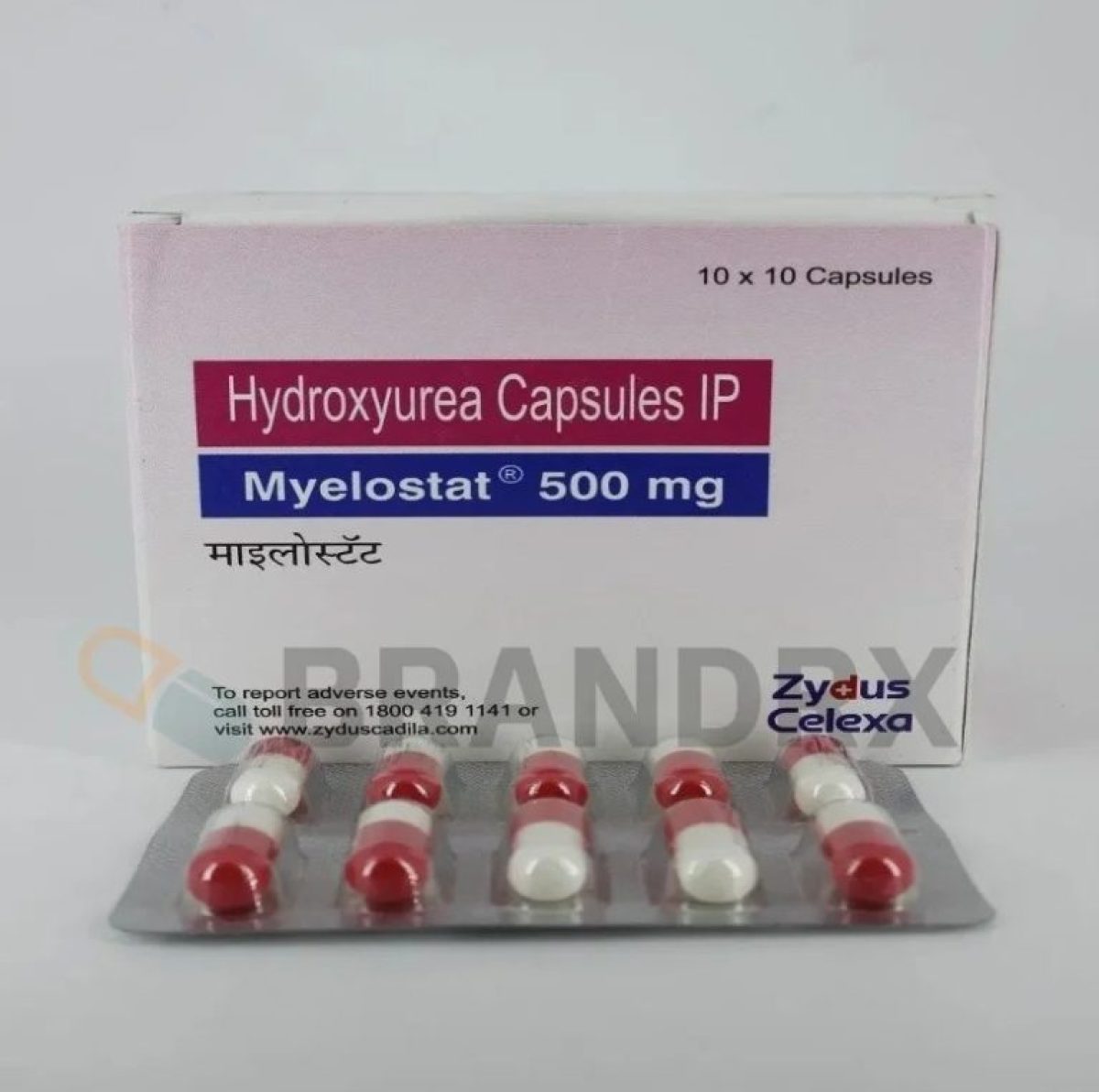
Myelostat 500 mg is a pharmaceutical-grade hydroquinone formulation manufactured by Zydus Healthcare Ltd. for dermatological research applications. Hydroquinone is a phenolic compound widely studied in skin pigmentation research and melanogenesis investigations. This standardised tablet formulation provides researchers with consistent dosing for in-vitro studies examining melanin synthesis pathways and cellular responses to hydroquinone exposure. The pharmaceutical manufacturing standards ensure reliable compound purity and stability for laboratory protocols requiring precise hydroquinone concentrations.
Laboratory Applications
Researchers investigate Myelostat tablets in studies examining melanocyte function, tyrosinase enzyme inhibition, and cellular melanin production pathways. The compound serves as a reference standard in dermatological research protocols evaluating skin pigmentation mechanisms. Studies frequently examine hydroquinone’s effects on melanogenesis cascade reactions and cellular oxidative stress responses in controlled laboratory environments. Research teams at Stroid UK Shop access this formulation alongside other dermatological research compounds, complementing studies with selective androgen receptor modulators and bioactive peptides for comprehensive research portfolios. The tablet format enables precise dosing calculations for cell culture studies and in-vitro assay development.
Technical Specifications
| Parameter | Value |
|---|---|
| Active Component | Hydroquinone |
| Strength | 500 mg per tablet |
| Manufacturer | Zydus Healthcare Ltd. |
| Form | Oral tablets |
| CAS Number | 123-31-9 |
| Molecular Formula | C₆H₆O₂ |
| Molecular Weight | 110.11 g/mol |
| Storage | Room temperature, dry conditions |
Research Compliance
Myelostat 500 mg tablets are supplied exclusively for in-vitro research purposes and laboratory studies. This product is not intended for human consumption or therapeutic use. Researchers must ensure proper laboratory safety protocols when handling hydroquinone compounds and maintain appropriate storage conditions to preserve compound stability. All research applications should comply with institutional safety guidelines and regulatory requirements for laboratory chemical handling.