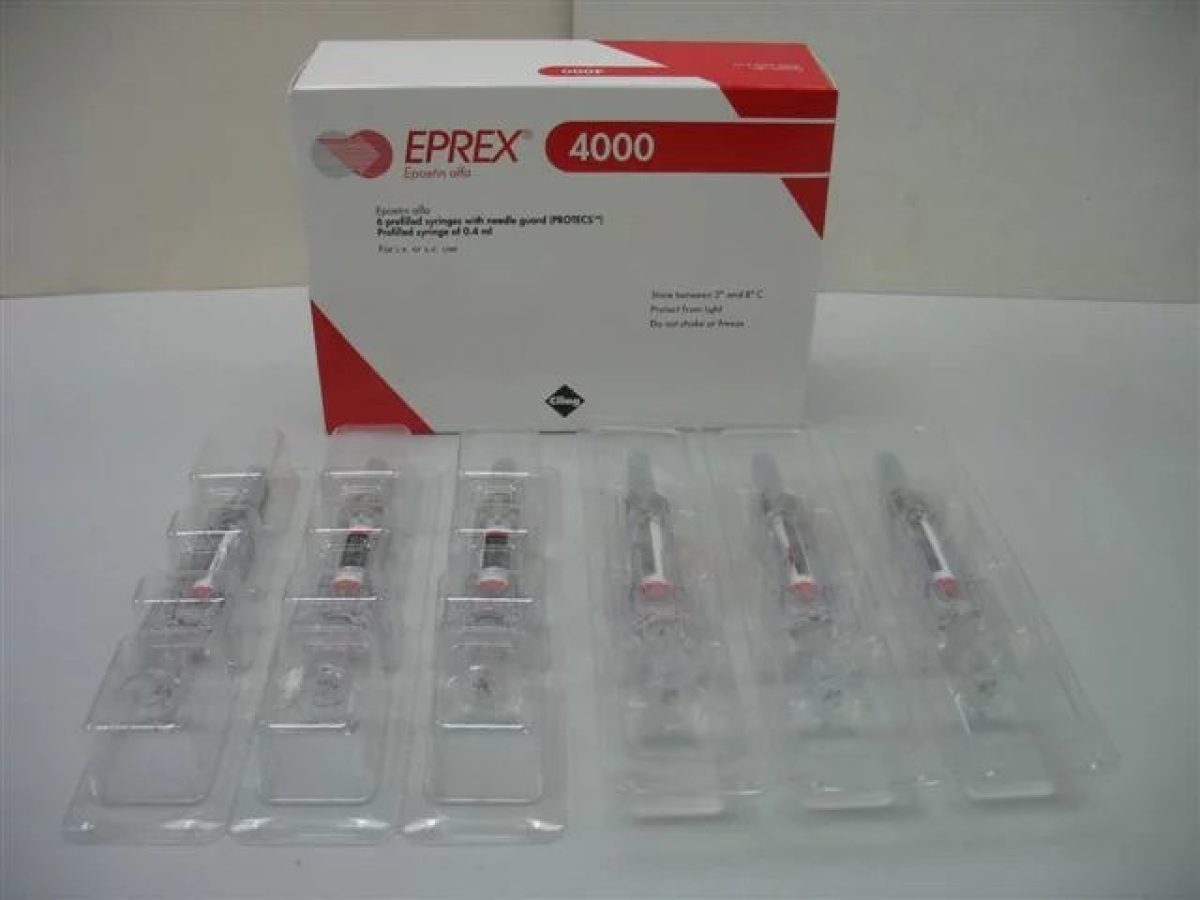


Product Overview: Eprex
Eprex 4000IU Janssen-Cilag is a pharmaceutical-grade recombinant human erythropoietin (EPO) manufactured by Janssen-Cilag for in-vitro research applications. This glycoprotein hormone is produced using recombinant DNA technology in mammalian cell cultures, making it identical to naturally occurring human erythropoietin. Research laboratories worldwide examine EPO’s role in erythropoiesis, the process by which red blood cells are produced in bone marrow. Scientists at Stroid UK Shop provide this compound to facilitate advanced studies into haematopoietic growth factors and their regulatory mechanisms.
Laboratory Applications
Research teams investigate Eprex 4000IU in studies examining erythropoietic regulation, hypoxia response pathways, and cellular signalling mechanisms. The compound serves as a reference standard in assays evaluating red blood cell production stimulation and iron metabolism research. Laboratories studying renal physiology often analyse EPO’s synthesis and secretion patterns, as the kidneys produce approximately 90% of circulating erythropoietin under normal physiological conditions. Researchers in the erythropoietin research category examine this hormone’s interaction with EPO receptors on erythroid progenitor cells. Studies may also investigate EPO’s neuroprotective properties and potential applications in tissue protection research, areas of growing scientific interest alongside traditional SARM studies and peptide research.
Technical Specifications
| Product Name | Eprex 4000IU |
|---|---|
| Manufacturer | Janssen-Cilag |
| Active Substance | Recombinant Human Erythropoietin |
| Concentration | 4000 International Units |
| Molecular Weight | ~30,400 Da |
| Storage Requirements | 2-8°C, protect from light |
| Formulation | Injectable solution |
| Research Grade | Pharmaceutical |
Research Compliance Statement
Eprex 4000IU Janssen-Cilag is manufactured exclusively for in-vitro research purposes and laboratory investigations. This product is not intended for human consumption, therapeutic use, or any clinical applications. Research institutions and qualified laboratories should handle this compound according to appropriate biosafety protocols and institutional guidelines. All studies should comply with relevant research ethics and regulatory frameworks governing erythropoietin research in your jurisdiction.