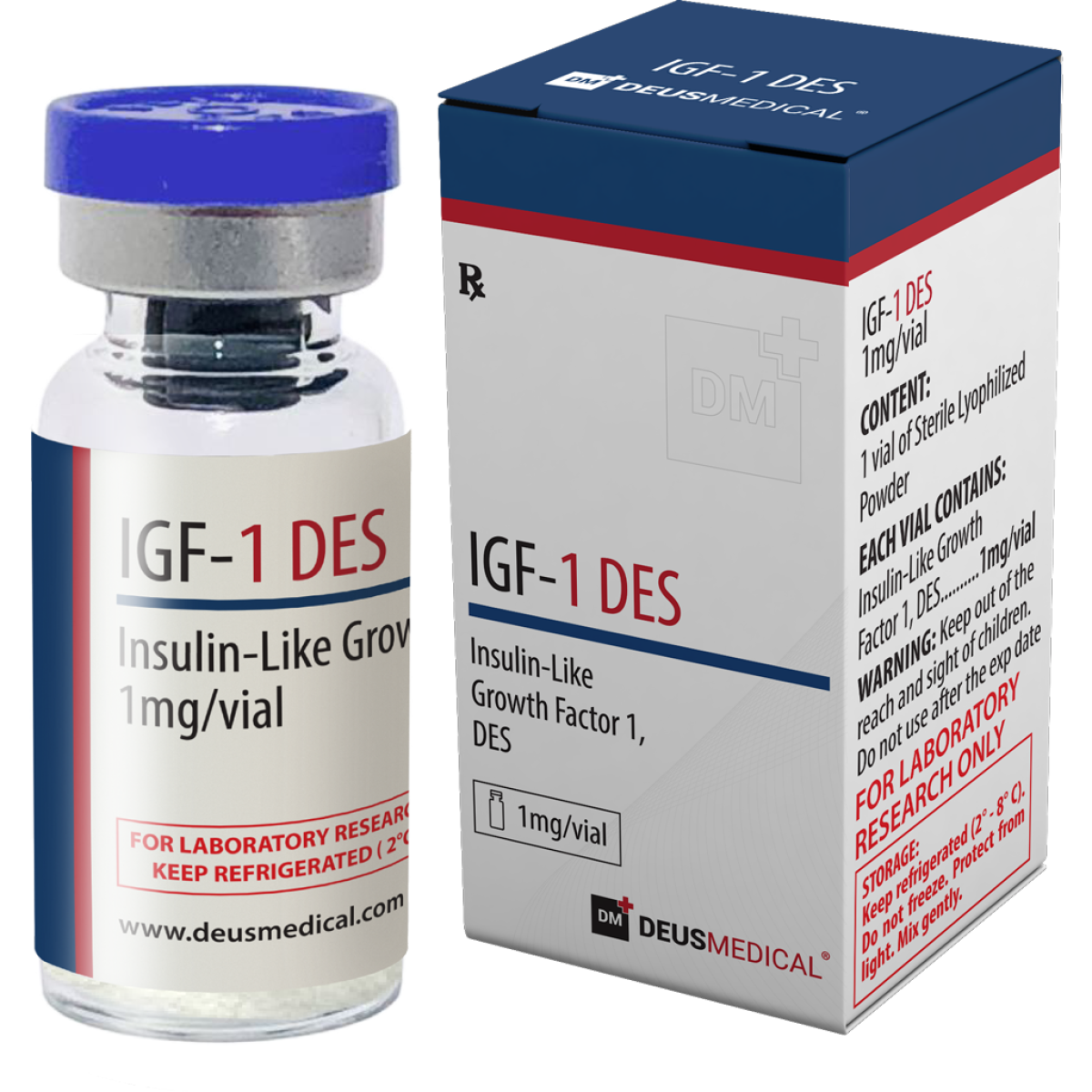

IGF-1 DES Research Overview
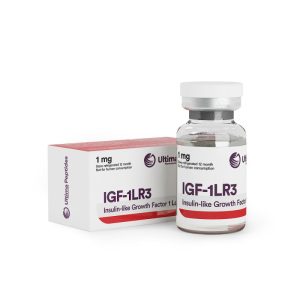
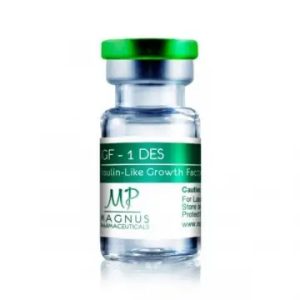
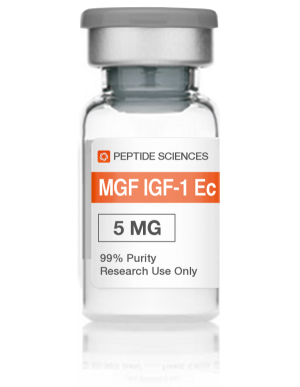
IGF-1 DES (Insulin-Like Growth Factor 1, DES) is a modified peptide hormone derived from the naturally occurring IGF-1 sequence, specifically designed for advanced laboratory research applications. This truncated variant lacks the first three amino acids of the N-terminal region, resulting in enhanced potency and altered binding characteristics compared to standard IGF-1. Research teams at Stroid UK Shop frequently investigate this compound for its unique molecular properties and potential applications in cellular biology studies.
Laboratory Investigation Areas
Researchers examine IGF-1 DES for its enhanced bioactivity in cell culture systems, where it demonstrates increased potency in promoting cellular proliferation and differentiation processes. The compound’s modified structure allows for more precise investigation of IGF-1 receptor binding mechanisms and downstream signalling pathways. Scientific teams studying muscle cell biology, neuronal development, and tissue regeneration protocols frequently incorporate this peptide into their IGF-1 peptide research frameworks. Comparative studies with other research peptides help elucidate specific receptor activation patterns.
Technical Specifications
| Parameter | Specification |
|---|---|
| Peptide Type | Modified IGF-1 Fragment |
| Sequence Length | 67 amino acids |
| Molecular Weight | Verify with supplier |
| CAS Number | Verify with supplier |
| Storage | -20°C lyophilised, 2-8°C reconstituted |
| Stability | 24 months from manufacture date |
Laboratory teams often compare IGF-1 DES research outcomes with investigations involving selective androgen receptor modulators to understand different growth factor pathways.
Research Compliance Notice
IGF-1 DES is manufactured by Deus Medical exclusively for in-vitro laboratory research purposes. This compound is not intended for human consumption, therapeutic use, or any application outside controlled laboratory environments. Researchers must ensure proper institutional oversight, appropriate safety protocols, and compliance with local research regulations when investigating this peptide. All studies should be conducted under qualified supervision with appropriate analytical verification.