

Isotretinoin Research Applications Overview
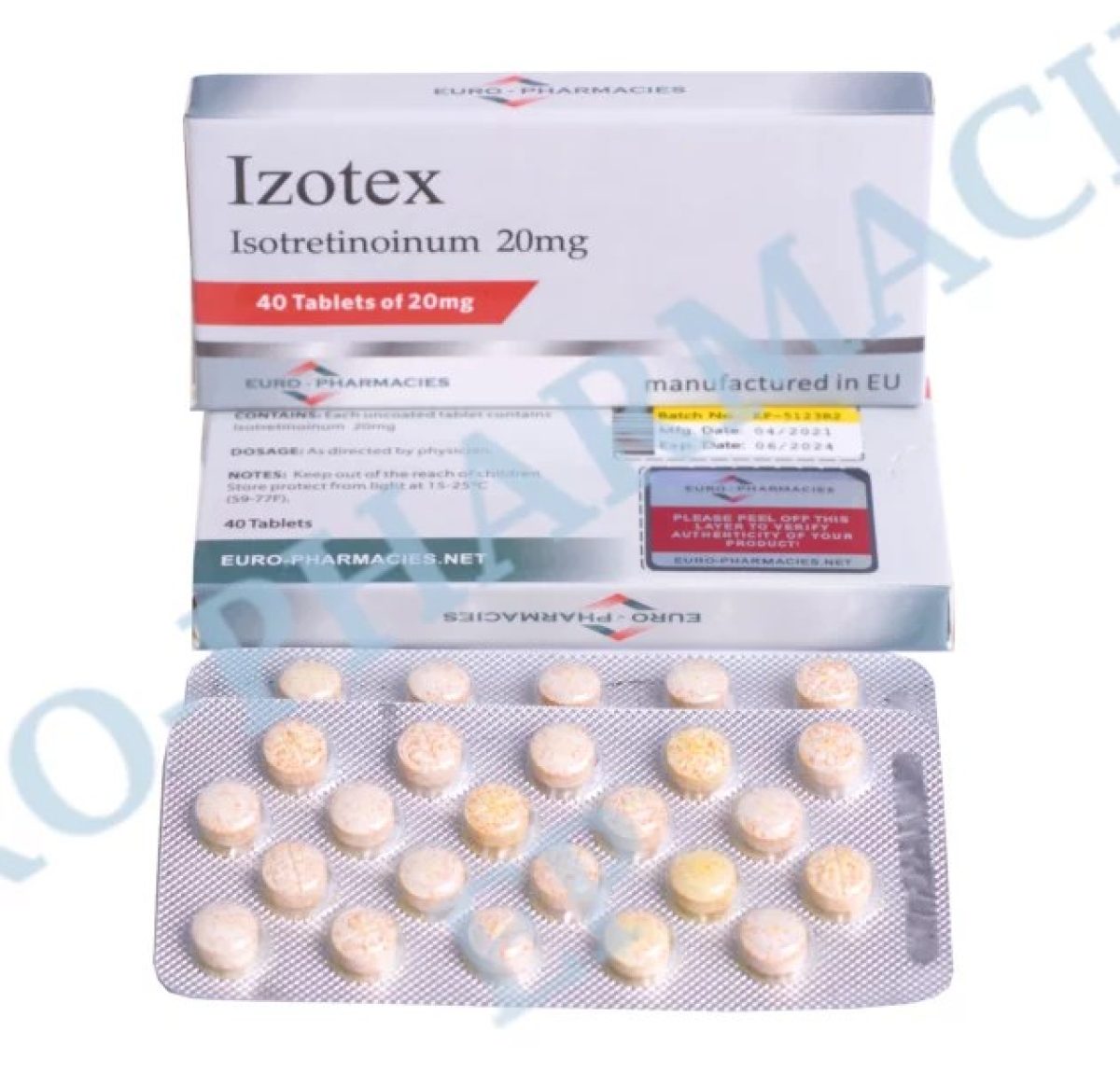
Izotex is a laboratory-grade isotretinoin formulation containing 20mg per tablet, manufactured by Euro-Pharmacies for in-vitro research applications. Isotretinoin is a synthetic retinoid compound that researchers investigate for its effects on cellular differentiation, sebaceous gland function, and keratinocyte proliferation pathways. This formulation provides consistent dosing for controlled laboratory studies examining vitamin A derivative mechanisms and dermatological research protocols.
Laboratory Investigation Protocols
Research scientists examine isotretinoin’s molecular interactions with retinoic acid receptors (RAR) and retinoid X receptors (RXR) in cell culture models. Studies investigate its regulatory effects on gene expression patterns, particularly those controlling cell cycle progression and apoptosis mechanisms. Researchers at Stroid UK Shop utilise this compound to analyse sebocyte differentiation pathways and examine comedogenesis prevention mechanisms in laboratory settings. Additional research applications include investigating anti-inflammatory properties and examining potential applications in post-cycle therapy protocols for hormone modulation studies. Comparative studies with SARMs compounds examine tissue-selective effects, while parallel research with peptide modulators investigates synergistic cellular pathways.
Product Specifications
| Parameter | Value |
|---|---|
| Active Compound | Isotretinoin |
| Concentration | 20mg per tablet |
| Packaging | 40 tablets per blister |
| Manufacturer | Euro-Pharmacies |
| CAS Number | 4759-48-2 |
| Molecular Formula | C₂₀H₂₈O₂ |
| Storage Requirements | Room temperature, dry conditions |
Laboratory Compliance Statement
Izotex isotretinoin tablets are manufactured exclusively for in-vitro laboratory research purposes. This product is intended for qualified researchers studying retinoid mechanisms, dermatological pathways, and cellular differentiation processes. Not approved for human consumption or therapeutic applications. Researchers must maintain appropriate laboratory protocols and comply with institutional research guidelines when conducting studies with this compound.