
Research Applications of BPC 157 Pentadecapeptide
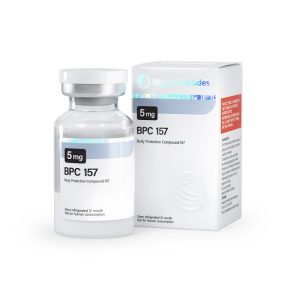
BPC 157 is a synthetic pentadecapeptide consisting of 15 amino acids that represents a partial sequence derived from gastric juice protein research. This laboratory-grade compound enables researchers to investigate tissue repair mechanisms, angiogenesis pathways, and GABAergic system modulation in controlled experimental settings. Laboratory studies examining this peptide sequence have explored its effects on tendon healing, ligament repair, bone formation, and gut tissue restoration in animal models. Stroid UK Shop provides this compound in precise 5mg formulations to support reproducible scientific investigations.
Scientific Framework and Molecular Properties
The peptide sequence Gly-Glu-Pro-Pro-Pro-Gly-Lys-Pro-Ala-Asp-Asp-Ala-Gly-Leu-Val demonstrates interesting pharmacological properties in laboratory settings. Research models have investigated its influence on nitric oxide pathways, vascular endothelial growth factor expression, and cellular migration processes. Preclinical studies have examined its potential effects on inflammatory mediator modulation and wound healing acceleration in various tissue types. Scientists studying BPC 157 research applications have documented extensive in-vivo animal studies spanning tendon, ligament, bone, and gastrointestinal tissue repair mechanisms.
Laboratory Specifications and Storage
| Parameter | Value |
|---|---|
| CAS Registry | 137525-51-0 |
| Molecular Weight | 1419.53 g/mol |
| Amino Acid Count | 15 residues |
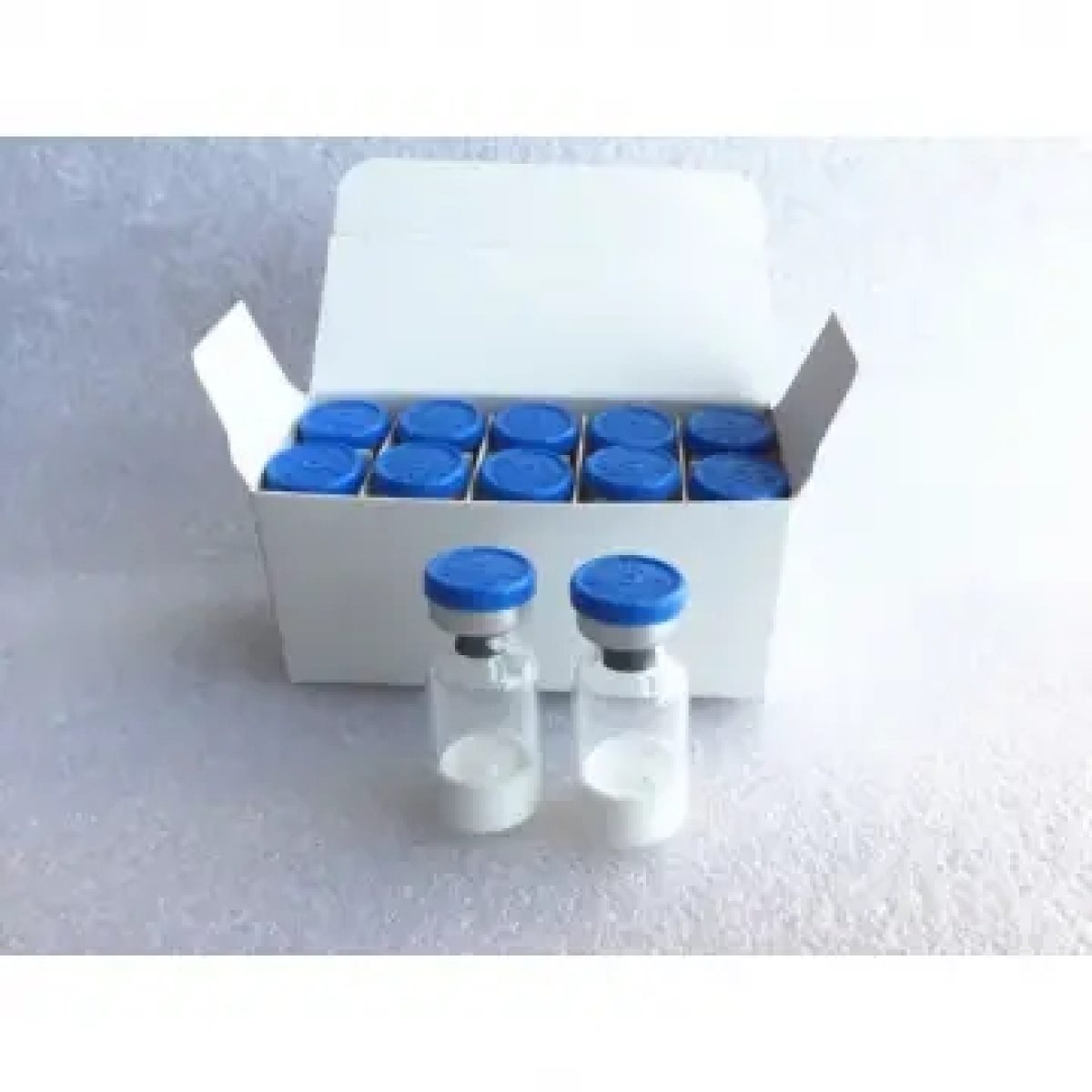
| Form | Lyophilised powder |
| Storage Temperature | -20°C long-term, 2-8°C short-term |
| Reconstitution | Sterile bacteriostatic water |
Researchers investigating peptide mechanisms alongside selective androgen receptor modulators and other peptide compounds can utilise this stable formulation for comprehensive molecular studies.
Research Compliance and Laboratory Use
This BPC 157 pentadecapeptide is manufactured exclusively for in-vitro laboratory research applications. Researchers must ensure proper laboratory protocols, appropriate storage conditions, and compliance with institutional research guidelines. The compound should be handled by qualified laboratory personnel in controlled research environments only.