
Understanding BPC 157 (Extra) Beligas
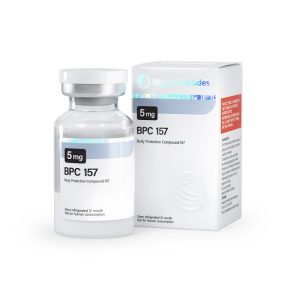
BPC 157 is a pentadecapeptide composed of 15 amino acids derived from gastric juice protein research. This synthetic peptide, available in the Beligas Extra formulation at Stroid UK Shop, demonstrates significant potential in cellular biology studies focused on tissue repair mechanisms. The compound’s amino acid sequence (Gly-Glu-Pro-Pro-Pro-Gly-Lys-Pro-Ala-Asp-Asp-Ala-Gly-Leu-Val) makes it particularly valuable for investigating angiogenesis and nitric oxide pathway modulation in laboratory environments. Researchers examining regenerative biology find BPC 157 an essential tool for understanding how peptide signalling affects cellular repair processes.
Laboratory Research Applications
Scientific investigations into BPC 157 primarily focus on its effects on angiogenesis, nitric oxide pathways, and GABAergic system modulation in animal models. Extensive in-vivo studies examine tendon, ligament, bone, and gastrointestinal tissue repair mechanisms. Researchers studying BPC-157 peptide compounds often investigate wound healing cascades, inflammatory response modulation, and cellular migration patterns. The peptide’s interaction with growth factor expression provides valuable insights for regenerative medicine research. Laboratory studies examine how BPC 157 influences collagen synthesis, endothelial cell proliferation, and tissue vascularisation. Investigators working with SARMs and peptides frequently incorporate BPC 157 into comparative studies examining different regenerative mechanisms and cellular response pathways.
Technical Specifications
| Parameter | Specification |
|---|---|
| CAS Number | 137525-51-0 |
| Molecular Formula | C₆₂H₉₈N₁₆O₂₂ |
| Molecular Weight | 1419.53 g/mol |
| Sequence | Gly-Glu-Pro-Pro-Pro-Gly-Lys-Pro-Ala-Asp-Asp-Ala-Gly-Leu-Val |
| Storage | Lyophilised: -20°C, Reconstituted: 2-8°C |
| Shelf Life | 24 months (unopened) |
Research Compliance Information
This BPC 157 (Extra) Beligas product is manufactured exclusively for in-vitro laboratory research applications. The compound requires proper laboratory storage conditions including -20°C for lyophilised powder and 2-8°C for reconstituted solutions. Research protocols should follow institutional guidelines for peptide handling and disposal. This product is not intended for human consumption, therapeutic use, or any application outside controlled laboratory environments. Researchers must ensure appropriate biosafety measures and maintain detailed experimental records when investigating BPC 157’s cellular mechanisms and biological pathways.