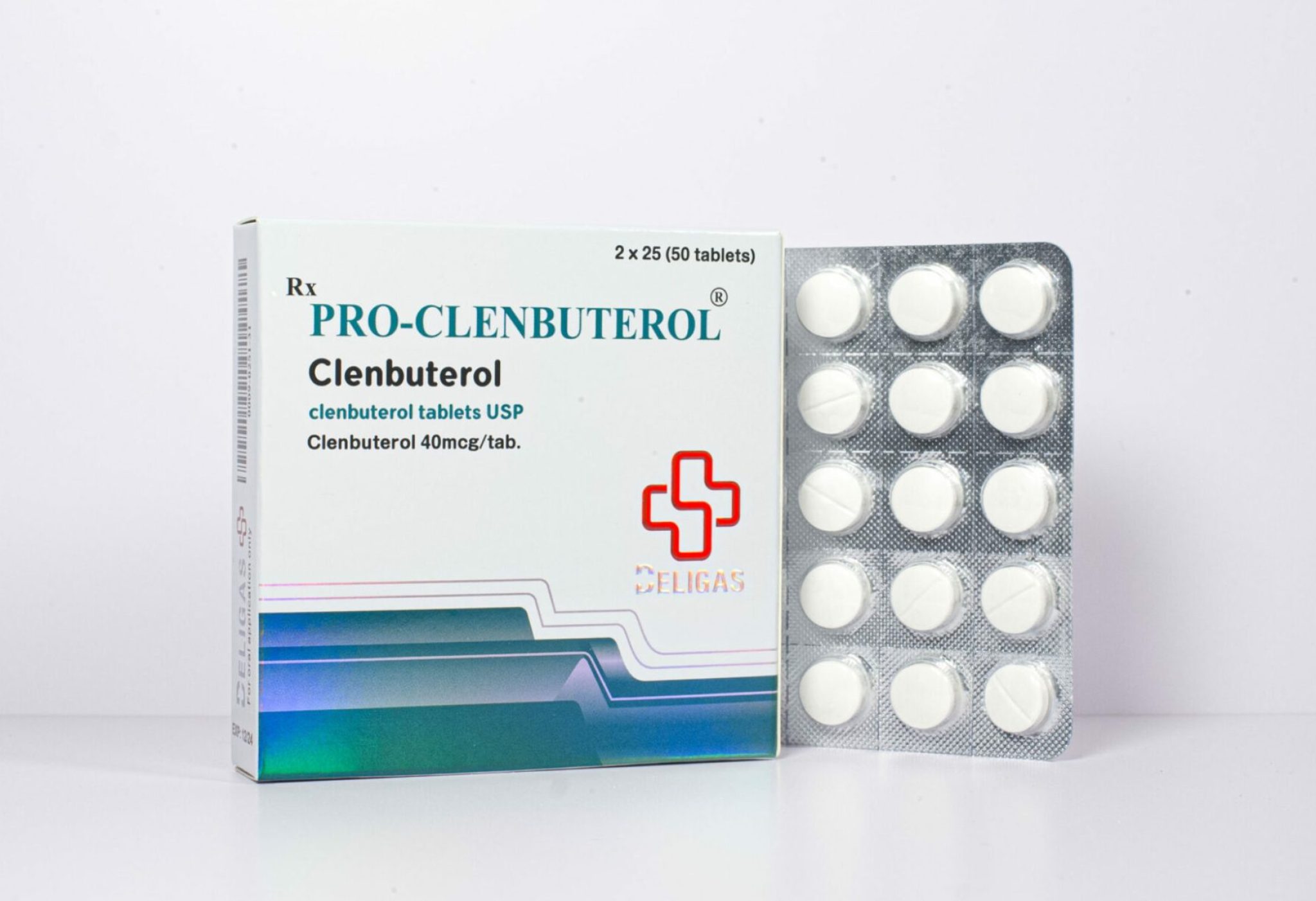
About Beligas Pharma Clenbuterol (Clen)
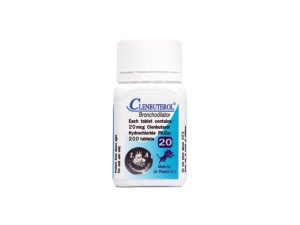
Clenbuterol hydrochloride is a beta-2 adrenergic agonist originally developed as a bronchodilator but extensively researched for its metabolic effects in laboratory settings. This compound demonstrates selective binding to beta-2 adrenergic receptors, particularly abundant in adipose tissue and skeletal muscle. Research teams at Stroid UK Shop can investigate its thermogenic properties and lipolytic mechanisms through controlled in-vitro studies. The compound’s ability to modulate cyclic adenosine monophosphate (cAMP) pathways makes it valuable for examining cellular energy expenditure and metabolic regulation in research models.
Laboratory Applications
Research scientists utilise clenbuterol to study beta-adrenergic signalling cascades and their role in metabolic homeostasis. The compound’s effects on protein synthesis and degradation pathways provide insights into muscle catabolism prevention mechanisms. Studies examining thermogenesis regulation often incorporate clenbuterol as a reference compound due to its well-documented receptor binding profile. Researchers investigating metabolic modulators frequently compare clenbuterol’s mechanisms with other compounds like those found in selective androgen receptor modulators and peptide research to understand tissue-selective effects.
Product Specifications
| Parameter | Specification |
|---|---|
| Active Compound | Clenbuterol Hydrochloride |
| Concentration | 40mcg per tablet |
| Presentation | 50 tablets |
| CAS Number | 21898-19-1 |
| Molecular Formula | C₁₂H₁₈Cl₂N₂O·HCl |
| Molecular Weight | 313.65 g/mol |
| Storage Conditions | Room temperature, dry environment |
| Manufacturer | Beligas Pharma |
Research Compliance
This clenbuterol hydrochloride preparation is manufactured by Beligas Pharma exclusively for in-vitro research applications. The compound is intended for qualified researchers studying beta-adrenergic receptor pharmacology, metabolic pathway modulation, and thermogenic mechanisms in controlled laboratory environments. This product is not intended for human consumption, veterinary use, or any therapeutic applications. Researchers must ensure compliance with local regulations governing the handling and study of research chemicals. Proper laboratory safety protocols should be observed when investigating this compound’s biochemical properties.