Metabolic Research Overview
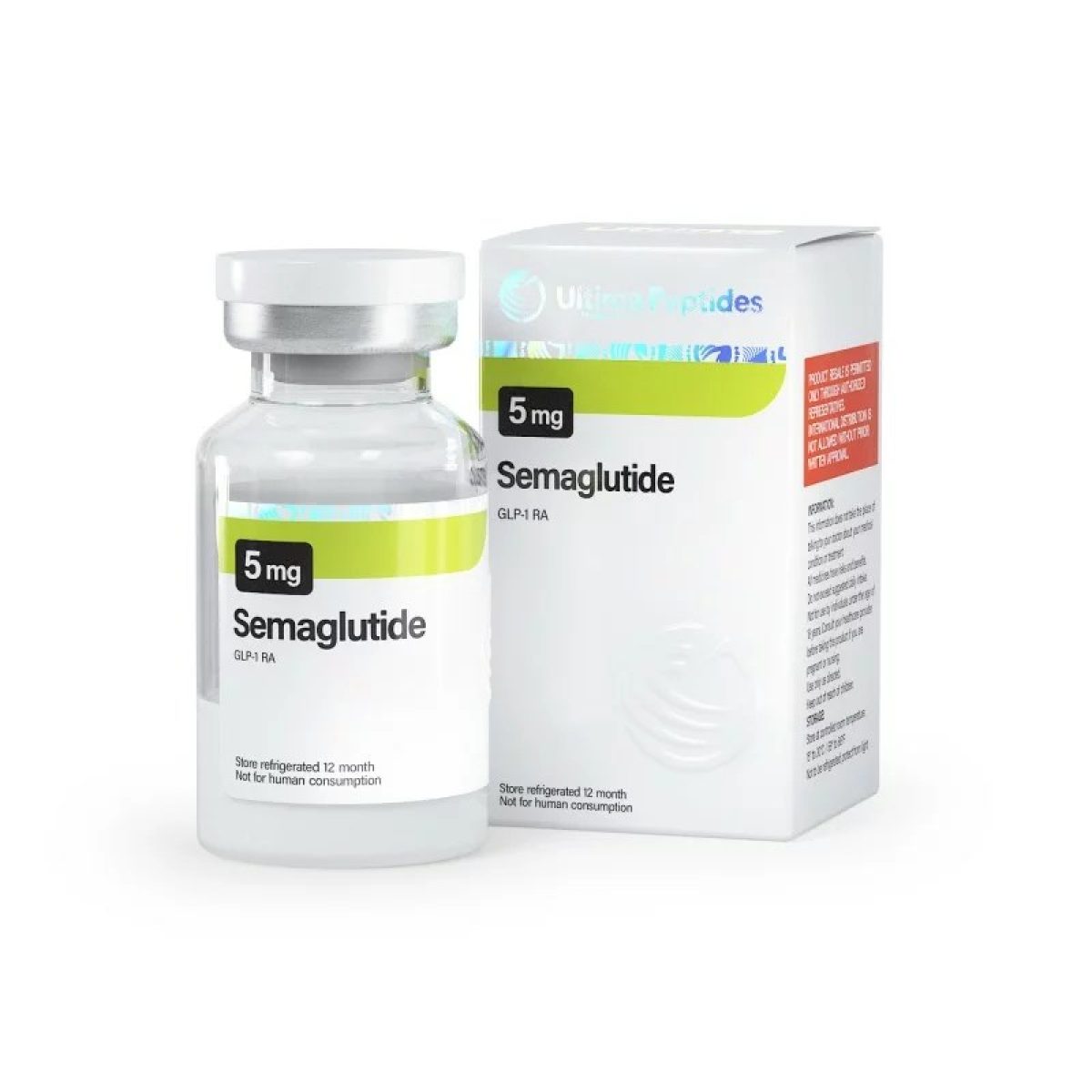
Semaglutide is a glucagon-like peptide-1 (GLP-1) receptor agonist peptide widely studied for its effects on glucose homeostasis and metabolic regulation. This synthetic analogue shares 94% sequence identity with native human GLP-1 but incorporates amino acid modifications that significantly extend its half-life in biological systems. Researchers from Stroid UK Shop investigate semaglutide’s mechanisms within incretin pathways, examining its binding affinity to GLP-1 receptors and subsequent downstream signalling cascades that influence insulin secretion, glucagon suppression, and gastric motility.
Laboratory Applications
In preclinical models, semaglutide demonstrates potent effects on pancreatic beta-cell function and glucose-dependent insulin release. Research teams studying metabolic compounds examine this peptide’s ability to activate adenylyl cyclase and increase cyclic adenosine monophosphate (cAMP) levels in target tissues. The compound’s prolonged pharmacokinetic profile makes it valuable for studying sustained GLP-1 receptor activation in metabolic research protocols. Scientists also investigate semaglutide’s effects on hypothalamic appetite regulation centres and its interaction with neural pathways controlling food intake. Contemporary research extends to examining this peptide alongside other investigational compounds from selective androgen receptor modulators and peptide research collections to understand complex metabolic interactions.
Technical Specifications
| Molecular Formula | C₁₇₁H₂₆₅N₄₃O₅₁ |
|---|---|
| Molecular Weight | 4113.58 g/mol |
| CAS Number | 910463-68-2 |
| Purity Grade | Research grade |
| Storage Conditions | 2-8°C refrigerated |
| Stability | Verify with supplier documentation |
| Solubility | Water soluble |
| Appearance | White lyophilised powder |
Research Compliance
This semaglutide preparation is manufactured by Ultima Pharmaceuticals exclusively for in-vitro laboratory research and analytical applications. This product is not intended for human consumption, veterinary use, or any therapeutic applications. Researchers must ensure compliance with institutional guidelines and local regulations governing peptide research compounds. Proper laboratory safety protocols, including appropriate personal protective equipment and controlled storage conditions, are essential when handling this research material.