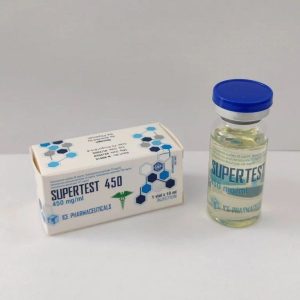
Ultima-Mix Research Overview
Ultima-Mix from Ultima Pharmaceuticals is a methenolone enanthate-based research compound designed for in-vitro laboratory investigations into anabolic steroid pharmacology. This formulation represents a key tool for researchers examining the molecular mechanisms of anabolic agents in controlled laboratory settings. Methenolone enanthate, the active constituent, belongs to the dihydrotestosterone-derived anabolic steroid class, offering researchers a well-characterised compound for studying steroid-receptor interactions and cellular responses. At Stroid UK Shop, we provide research-grade Ultima-Mix to support advancing scientific understanding of anabolic steroid biochemistry through rigorous laboratory analysis.
Laboratory Research Applications
Scientists investigate Ultima-Mix in various research contexts, including androgen receptor binding studies, protein synthesis pathway analysis, and cellular metabolism examinations. The methenolone enanthate foundation allows researchers to evaluate tissue-selective anabolic mechanisms while comparing outcomes against other compounds in our methenolone enanthate collection. Research teams study this compound alongside other investigational molecules from our SARMs and peptides categories to understand comparative pharmacological profiles. Laboratory investigations examine cellular uptake mechanisms, receptor activation patterns, and downstream signalling cascades associated with methenolone enanthate exposure in various tissue culture models.
Technical Specifications
| Product Name | Ultima-Mix |
|---|---|
| Manufacturer | Ultima Pharmaceuticals |
| Active Compound | Methenolone Enanthate |
| Product Code | EU11750 |
| CAS Number | Verify with supplier |
| Molecular Formula | Verify with supplier |
| Molecular Weight | Verify with supplier |
| Storage Conditions | Cool, dry conditions away from light |
Research Compliance Statement
Ultima-Mix is manufactured exclusively for in-vitro research purposes and laboratory investigations. This product is not intended for human consumption, therapeutic use, or any application outside controlled laboratory environments. Researchers must ensure proper handling protocols, appropriate safety measures, and compliance with institutional guidelines when conducting studies with this material. All investigations should be performed by qualified personnel in properly equipped laboratory facilities with adequate safety infrastructure and waste disposal procedures.