
Laboratory Overview
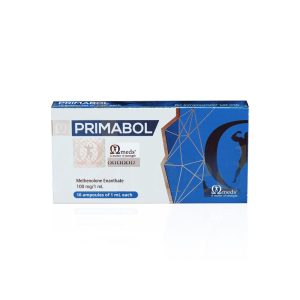
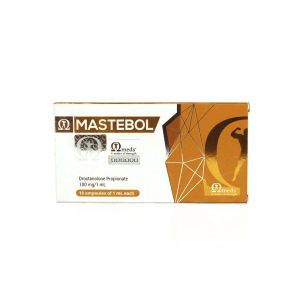
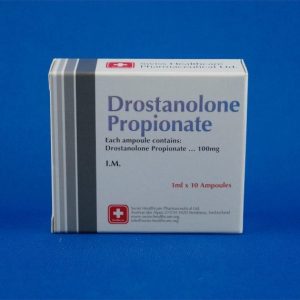
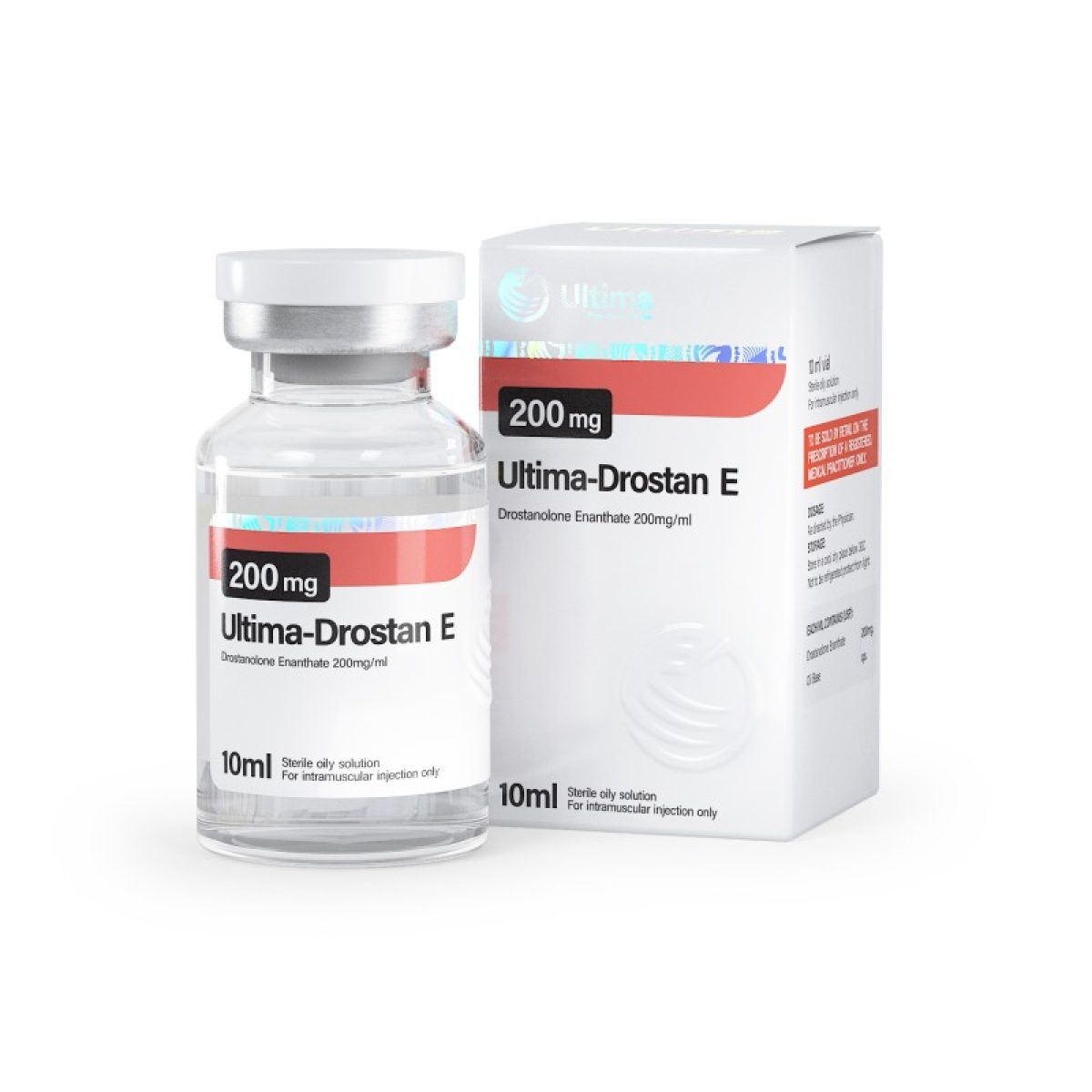
Drostanolone enanthate is a synthetic anabolic-androgenic steroid (AAS) derivative researched for its distinctive molecular properties and receptor binding characteristics. This oil-based injectable compound delivers a long-acting ester modification of drostanolone, providing extended release profiles in experimental models. Researchers at Stroid UK Shop investigate its unique 2α-methyl modification which prevents aromatisation to estrogenic metabolites, making it valuable for studies examining non-aromatising androgenic compounds.
Scientific Investigation Areas
Laboratory studies focus on drostanolone enanthate’s interaction with androgen receptors across different tissue types. Research models examine its binding affinity, tissue distribution, and metabolic pathway variations compared to other androgenic compounds. Scientists analyse its resistance to 5α-reductase enzyme activity and the implications for DHT conversion studies. The compound’s anti-estrogenic properties make it relevant for investigations into drostanolone research applications and comparative steroid pharmacology. Metabolic research examines its effects on lipid profiles, nitrogen retention, and protein synthesis pathways in controlled laboratory environments.
Technical Specifications
| Parameter | Value |
|---|---|
| Concentration | 200mg/ml |
| Chemical Name | 17β-Hydroxy-2α-methyl-5α-androstan-3-one enanthate |
| Molecular Formula | C₂₇H₄₄O₃ |
| Molecular Weight | 416.64 g/mol |
| CAS Number | Verify with supplier |
| Storage Temperature | Room temperature, protect from light |
This compound represents advanced research tools available alongside other categories like SARMs and peptides for comprehensive androgenic pathway studies.
Research Compliance Statement
This drostanolone enanthate product is manufactured exclusively for in-vitro research applications and laboratory use only. Not intended for human consumption, therapeutic use, or any application outside controlled research environments. Researchers must ensure compliance with local regulations governing research chemical handling and disposal protocols.