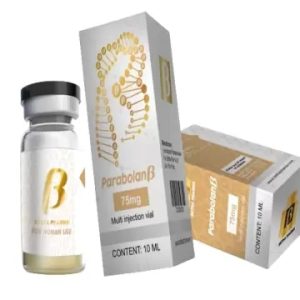
Research Overview of Trestolone Acetate
Trestolone Acetate is a synthetic anabolic-androgenic steroid belonging to the 19-nortestosterone family, chemically known as 7α,11β-dimethyl-17β-hydroxy-18-methylestra-4-en-3-one acetate. This unique androgenic compound demonstrates exceptional anabolic potency in preclinical research models, with studies indicating activity approximately 10 times greater than testosterone. Research laboratories investigating androgenic receptor pathways and muscle protein synthesis mechanisms find this compound particularly valuable for examining the relationship between androgenic stimulation and anabolic tissue responses. The acetate ester modification provides enhanced bioavailability and tissue penetration characteristics compared to unesterified forms.
Scientists at Stroid UK Shop can examine how Trestolone Acetate influences cellular metabolism through its interaction with androgen receptors. Unlike traditional testosterone derivatives, this compound exhibits unique pharmacological properties that make it suitable for studying both androgenic and anabolic pathways simultaneously. Research models have demonstrated that Trestolone Acetate does not require 5α-reductase conversion for tissue activity, offering researchers a distinctive tool for investigating steroid hormone mechanisms without confounding metabolic variables.
Laboratory Research Applications
Trestolone Acetate serves multiple research purposes in endocrinology and molecular biology laboratories. Investigators studying male contraception research have examined this compound’s potent androgenic effects on spermatogenesis suppression in animal models. The compound’s ability to maintain androgenic tissue support while suppressing gonadotropin release makes it valuable for examining hypothalamic-pituitary-gonadal axis regulation. Researchers investigating anabolic processes can analyse how Trestolone Acetate stimulates protein synthesis pathways independent of aromatization to estradiol.
Academic institutions studying steroid injection research utilise this compound to examine dose-response relationships in muscle tissue studies. The compound’s resistance to 5α-reductase metabolism allows researchers to study pure androgenic activity without dihydrotestosterone conversion complications. Laboratories investigating metabolic pathways can evaluate how Trestolone Acetate affects nitrogen retention, glycogen synthesis, and cellular energy production in controlled research environments. Studies examining bone density research have investigated this compound’s effects on osteoblast activity and mineral deposition processes.
Specifications and Research Parameters
| Parameter | Specification |
|---|---|
| Chemical Name | 7α,11β-dimethyl-17β-hydroxy-18-methylestra-4-en-3-one acetate |
| CAS Number | Verify with supplier |
| Molecular Formula | Verify with supplier |
| Molecular Weight | Verify with supplier |
| Purity | Research grade |
| Storage | Room temperature, protected from light |
| Solubility | Oil-based injection solution |
| Research Applications | Androgenic pathway studies, anabolic research |
Research laboratories can also explore comparative studies between Trestolone Acetate and compounds available in our SARMs collection or peptide research section to examine different mechanisms of muscle tissue modulation.
Research Compliance and Safety
This Trestolone Acetate formulation is manufactured by Mactropin exclusively for in-vitro laboratory research applications. All research must comply with institutional guidelines for controlled substance handling and disposal. Researchers should implement appropriate safety protocols including proper ventilation, protective equipment, and waste management procedures. This product is not approved for human consumption, clinical trials, or therapeutic applications. Laboratory personnel must maintain detailed research records and follow all applicable regulations governing research chemical use and storage.