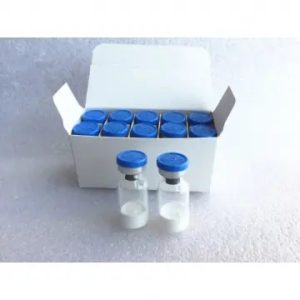
Testosterone Propionate Research Overview
Testosterone Propionate is a fast-acting synthetic testosterone ester extensively employed in hormonal research and androgen receptor studies. This compound features a propionate ester attached to the testosterone molecule, significantly altering its pharmacokinetic properties compared to other testosterone variants. Researchers at Stroid UK Shop frequently investigate this ester for its rapid onset and shorter duration of action in laboratory models. The propionate ester enhances solubility while providing predictable release kinetics, making it invaluable for controlled experimental conditions. Studies examining androgen receptor binding affinity, gene transcription modulation, and protein synthesis pathways commonly utilise this compound. Its chemical structure allows researchers to examine both anabolic and androgenic effects with precise temporal control, particularly beneficial when investigating dose-response relationships in cellular and tissue models.
Laboratory Research Applications
Scientific investigations frequently examine Testosterone Propionate in muscle tissue research, bone metabolism studies, and neuroendocrine pathway analysis. The compound’s rapid bioavailability makes it suitable for acute exposure experiments and short-term intervention protocols. Researchers studying androgen-dependent gene expression often select this ester for its predictable pharmacological profile. Cell culture studies investigating myoblast proliferation, osteoblast activity, and neural tissue responses commonly incorporate this compound. Testosterone propionate research extends to metabolic studies examining lipid metabolism, glucose homeostasis, and protein synthesis regulation. The compound serves as a reference standard in comparative studies with SARMs and other androgens. Endocrinology laboratories investigate its effects on hypothalamic-pituitary-gonadal axis modulation, while pharmacology research examines ester hydrolysis kinetics and tissue distribution patterns. Its compatibility with various analytical techniques makes it valuable for mass spectrometry studies and radioimmunoassay development.
Technical Specifications
| Parameter | Specification |
|---|---|
| Chemical Name | Testosterone 17-propanoate |
| CAS Number | 57-85-2 |
| Molecular Formula | C22H32O3 |
| Molecular Weight | 344.49 g/mol |
| Purity | ≥98% (HPLC verified) |
| Storage Conditions | Room temperature, dry environment |
| Solubility | Ethanol, propylene glycol, oils |
| Appearance | White to off-white crystalline powder |
Research Safety and Compliance
Testosterone Propionate from Genetic Labs requires appropriate laboratory handling procedures and institutional oversight. Researchers should implement standard safety protocols including proper ventilation, personal protective equipment, and waste disposal procedures. Studies involving this compound must comply with institutional review board guidelines and local regulations governing controlled substances research. The rapid-acting nature of this ester necessitates precise timing in experimental protocols and careful monitoring of exposure parameters. Laboratory personnel should maintain detailed records of compound usage, storage conditions, and experimental outcomes. Research applications should align with approved protocols examining androgen receptor pharmacology, hormonal pathway modulation, or related biochemical investigations. Investigators frequently complement testosterone propionate studies with peptide research to examine synergistic effects in tissue culture models. This product is intended exclusively for in-vitro research applications and is not approved for human consumption, therapeutic use, or any non-research purposes.