Research Overview of Testophenol-100 by Lyka Labs
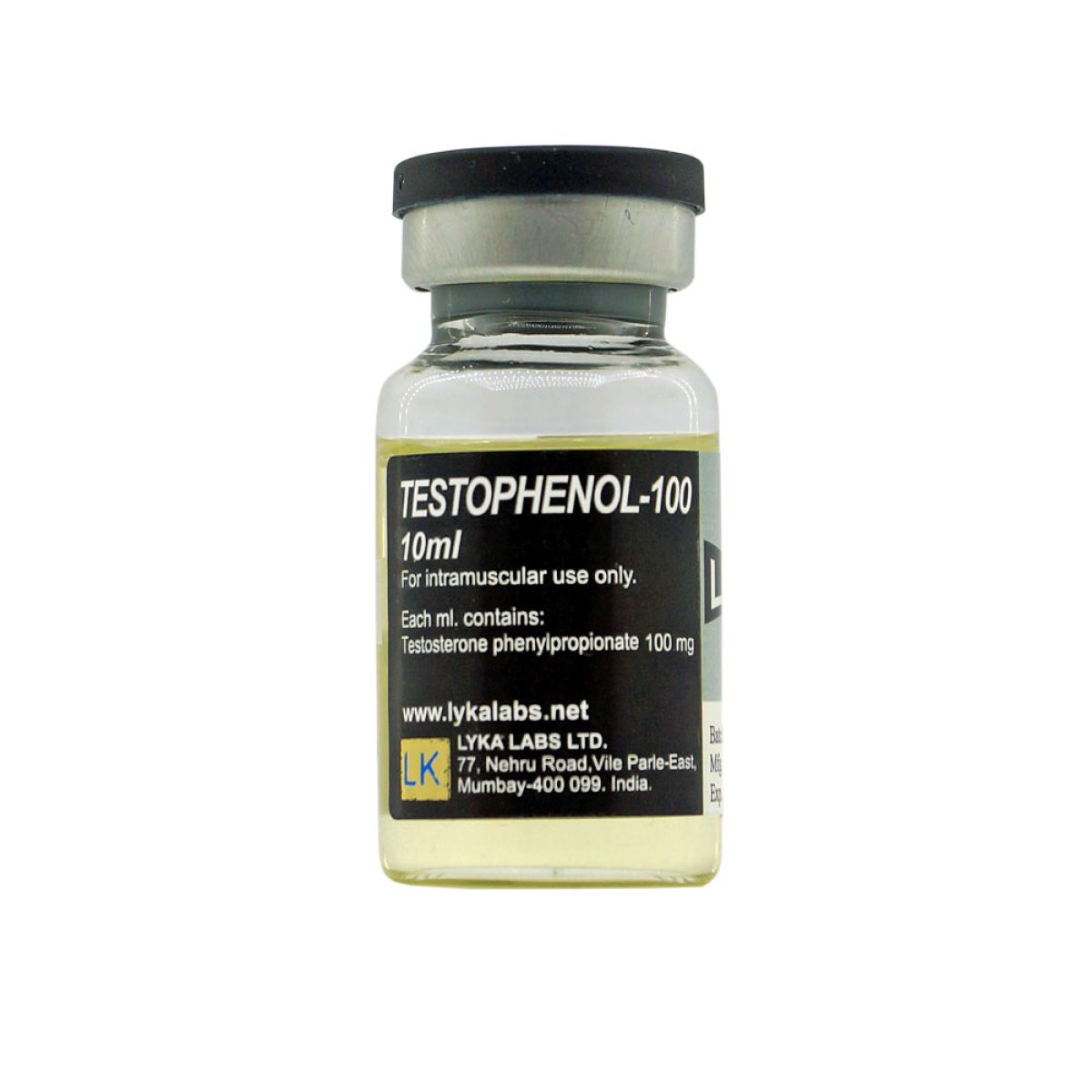
Testophenol-100 by Lyka Labs is a testosterone phenylpropionate formulation specifically developed for in-vitro laboratory research examining androgenic hormone pathways. This research compound allows scientists to investigate cellular responses to testosterone derivatives in controlled laboratory environments. Researchers at Stroid UK Shop utilize this compound to study hormonal receptor binding mechanisms and cellular signaling pathways. The testosterone phenylpropionate structure provides researchers with opportunities to examine short-ester androgenic compounds in comparison to other testosterone research compounds available for laboratory investigation.
Laboratory Research Applications
Scientific investigations utilizing Testophenol-100 focus on androgenic receptor binding studies and cellular metabolism research. Researchers examine how testosterone phenylpropionate interacts with cellular structures in controlled laboratory conditions. This compound enables detailed analysis of hormonal pathway mechanisms and receptor affinity studies. Laboratory protocols investigate cellular uptake mechanisms and metabolic processing of testosterone derivatives. Research teams studying androgenic compounds often compare findings with investigations involving selective androgen receptor modulators to understand differential receptor binding patterns. Additional research examines cellular protein synthesis pathways and gene expression modifications in response to testosterone exposure. Some studies investigate potential interactions with peptide research compounds in cellular environments.
Technical Specifications
| Concentration | 100mg/ml |
|---|---|
| Active Compound | Testosterone Phenylpropionate |
| Manufacturer | Lyka Labs |
| Form | Injectable Solution |
| CAS Number | Verify with supplier |
| Storage Requirements | Cool, dry conditions |
Research Compliance Statement
Testophenol-100 by Lyka Labs is manufactured exclusively for in-vitro laboratory research applications. This compound is not intended for human consumption, therapeutic use, or any application outside controlled laboratory environments. Researchers must maintain appropriate laboratory protocols and safety measures when handling this research compound.