Methyldrostanolone Research Overview
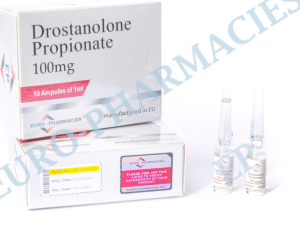
Methyldrostanolone, marketed as Superdrol Injectable 40mg by Dragon Pharma, is a synthetic anabolic androgenic steroid derived from dihydrotestosterone. This methylated compound represents a significant research tool for examining the mechanisms of 17α-alkylated anabolic steroids in laboratory settings. Researchers at Stroid UK Shop utilise this formulation to investigate the structural modifications that confer oral activity to steroid compounds while studying their biochemical pathways.
Laboratory Applications and Research Protocols
Scientific investigations with methyldrostanolone focus on its unique molecular structure, which incorporates a methyl group at the 17α position and additional modifications at the 2α position. Research protocols examine how these structural alterations affect androgen receptor binding affinity and metabolic resistance. Studies investigate the compound’s interaction with steroidogenic enzymes and its effects on protein synthesis pathways in cellular models. Comparative analyses often examine methyldrostanolone alongside other compounds available in our methyldrostanolone collection to understand structure-activity relationships. Research facilities also utilise this compound when examining the pharmacokinetics of methylated steroids and their hepatic metabolism patterns.
Product Specifications and Quality Data
| Parameter | Specification |
|---|---|
| Chemical Name | Methyldrostanolone |
| CAS Number | 3381-88-2 |
| Molecular Formula | C₂₁H₃₄O₂ |
| Molecular Weight | 318.49 g/mol |
| Concentration | 40 mg/mL |
| Manufacturer | Dragon Pharma |
| Storage | Room temperature, protect from light |
Researchers studying metabolic modulators may also examine our SARMS collection for comparative steroid receptor research, while those investigating recovery mechanisms often reference our peptide research compounds for comprehensive hormonal pathway studies.
Research Compliance and Laboratory Use
This methyldrostanolone research chemical is intended exclusively for in-vitro laboratory research and analytical purposes. Not approved for human consumption, therapeutic use, or any clinical applications. Researchers must ensure appropriate institutional approvals and safety protocols when handling this compound in laboratory environments.