About SOSTE – K KASSEL
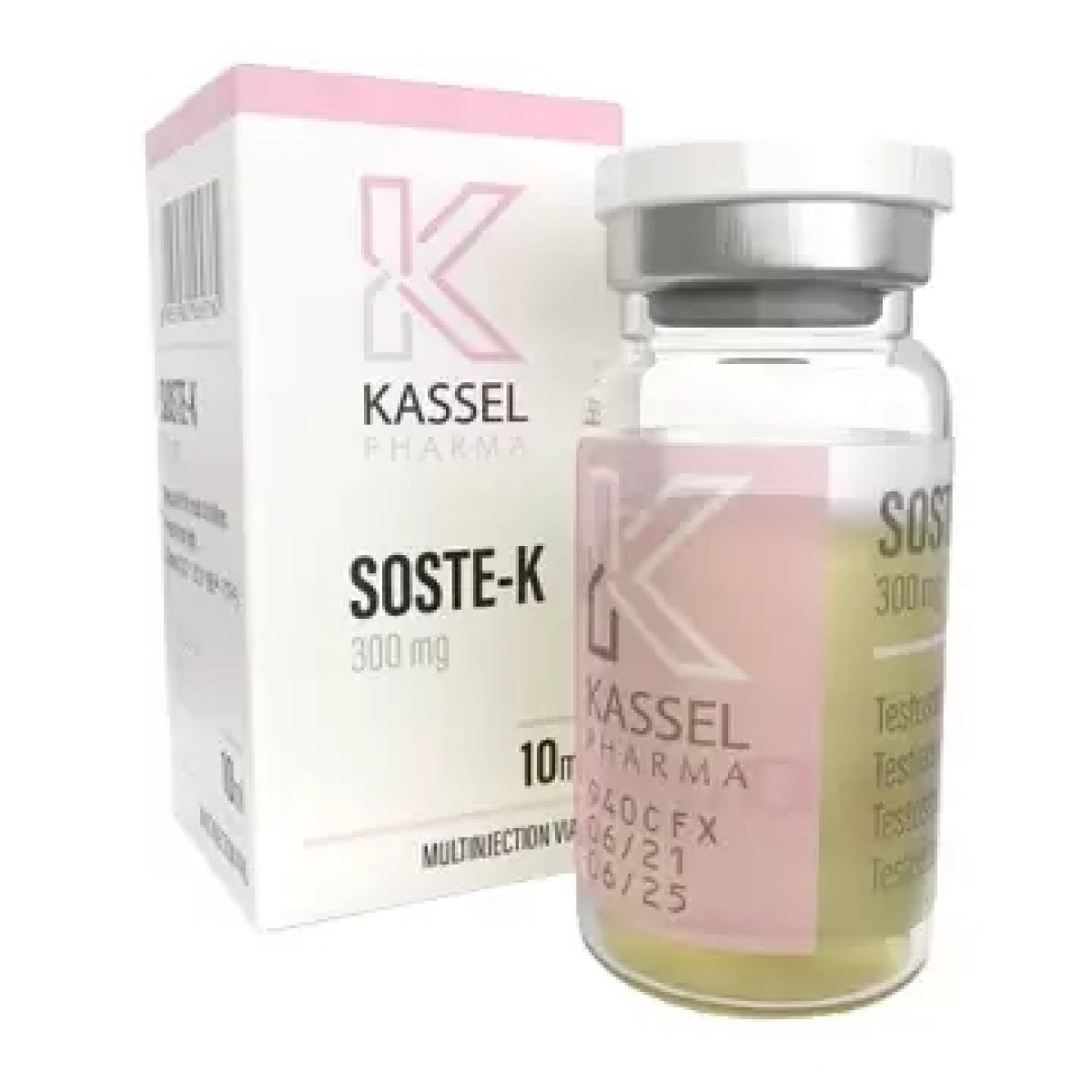
SOSTE-K KASSEL is a specialised chondroitin sulfate preparation developed for laboratory investigation of cartilage matrix biology and glycosaminoglycan metabolism. Chondroitin sulfate represents a critical structural component of cartilage extracellular matrix, providing essential research opportunities for scientists studying connective tissue biochemistry. This compound enables researchers to examine the fundamental mechanisms underlying cartilage homeostasis, proteoglycan synthesis, and matrix remodelling processes in controlled laboratory environments. The formulation offers consistent quality for reproducible experimental outcomes across diverse research protocols.
Laboratory Applications
Research scientists utilise SOSTE-K KASSEL to investigate chondroitin sulfate’s role in cellular signalling pathways, particularly those involving chondrocyte proliferation and matrix production. Studies commonly examine the compound’s interactions with collagen networks, its influence on cell adhesion mechanisms, and its participation in inflammatory cascade modulation. The preparation proves valuable for researchers exploring cartilage degradation models, osteoarthritis pathogenesis, and tissue engineering applications. Laboratory protocols frequently incorporate this compound when studying growth factor binding, enzyme inhibition assays, and biomaterial compatibility testing. Researchers at Stroid UK Shop access comprehensive chondroitin sulfate research compounds alongside complementary selective androgen receptor modulators and research peptides for comprehensive tissue biology investigations.
Specification Details
| Parameter | Value |
|---|---|
| Product Code | EU3048 |
| Chemical Class | Chondroitin sulfate derivative |
| Molecular Formula | Verify with supplier |
| CAS Number | Verify with supplier |
| Molecular Weight | Verify with supplier |
| Storage Temperature | Room temperature, dry conditions |
| Research Grade | Laboratory use only |
Research Compliance
SOSTE-K KASSEL is manufactured exclusively for in-vitro laboratory research applications and scientific investigation purposes. This compound is not intended for human consumption, therapeutic use, or any application outside controlled research environments. Researchers must ensure appropriate laboratory safety protocols, proper storage conditions, and compliance with institutional research guidelines when handling this material. All investigations should follow established laboratory practices for research-grade chemical compounds and maintain detailed experimental documentation for reproducible scientific outcomes.