About Sermorelin
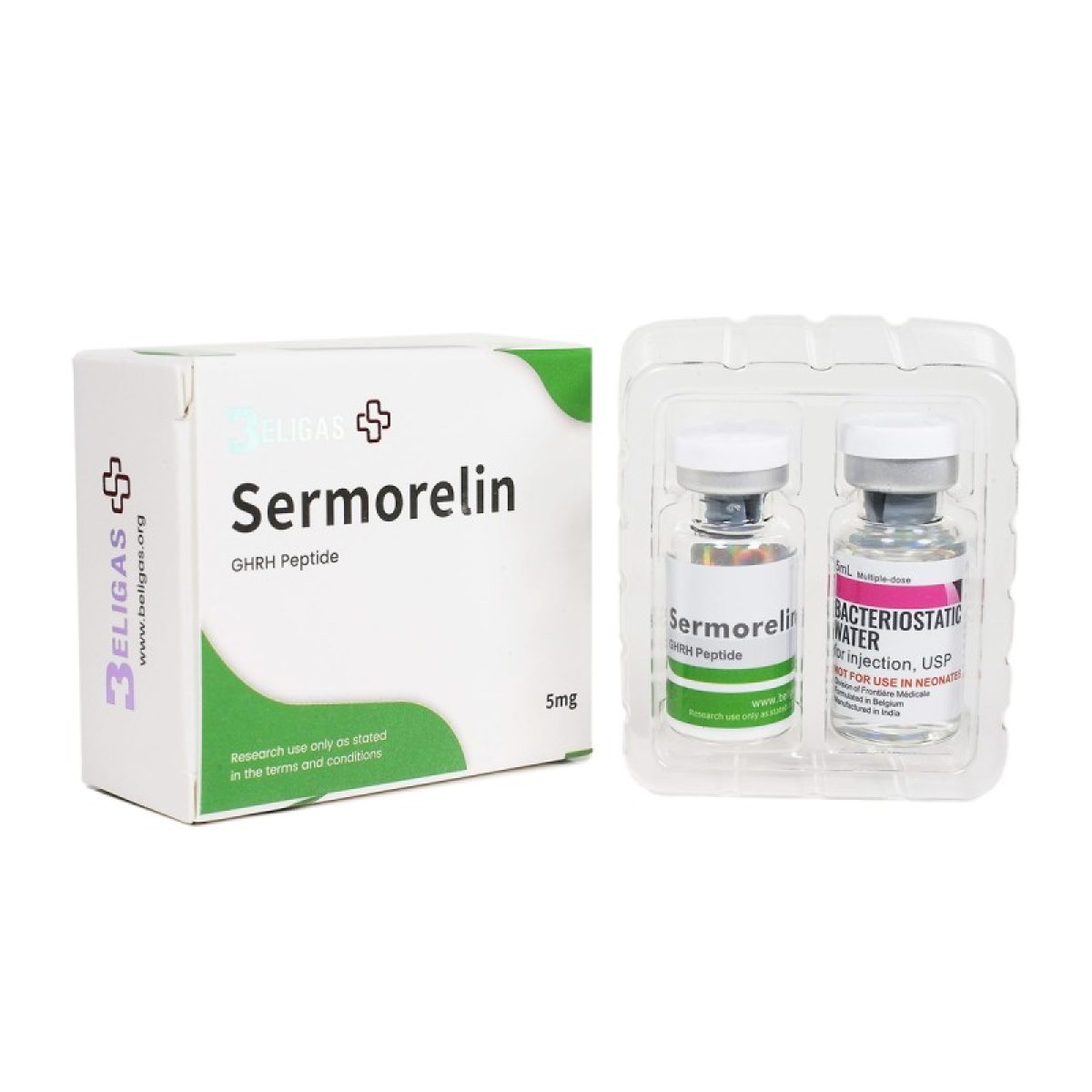
Sermorelin acetate is a growth hormone releasing hormone analogue peptide designed to stimulate the release of growth hormone from the anterior pituitary gland in research models. This synthetic peptide, consisting of the first 29 amino acids of naturally occurring growth hormone releasing hormone (GHRH), has been extensively studied in preclinical research for its ability to modulate the growth hormone axis. Researchers at Stroid UK Shop frequently investigate this compound’s mechanisms of action in cellular and tissue studies. The peptide demonstrates high selectivity for GHRH receptors and maintains a favourable stability profile in laboratory conditions, making it an essential tool for endocrine research applications.
Laboratory Applications
In laboratory settings, sermorelin acetate serves as a valuable research tool for studying growth hormone physiology, pituitary function, and metabolic pathways. Research teams examine its effects on growth hormone secretion patterns, investigating how this peptide influences downstream signalling cascades and cellular responses. The compound is particularly useful in studies exploring age-related changes in growth hormone production, sleep-related hormone fluctuations, and metabolic regulation mechanisms. Investigators working with sermorelin acetate peptides often combine it with other research compounds from our SARMs collection and peptide research compounds to study complex hormonal interactions and their effects on cellular metabolism and tissue remodelling processes.
Product Specifications
| Parameter | Specification |
|---|---|
| Compound Name | Sermorelin acetate |
| Peptide Length | 29 amino acids |
| Quantity | 5mg vial |
| Manufacturer | Beligas |
| CAS Number | Verify with supplier |
| Molecular Weight | Verify with supplier |
| Storage | Lyophilised: -20°C, Reconstituted: 2-8°C |
| Purity | Research grade |
Compliance Notice
This sermorelin acetate peptide is intended strictly for in-vitro laboratory research purposes only. Not approved for human consumption, therapeutic use, or any application outside controlled laboratory environments. Researchers must comply with all applicable regulations and institutional guidelines when handling this research compound.