Research Overview: Salbutamol Pharmaceutical
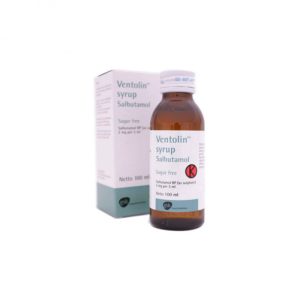
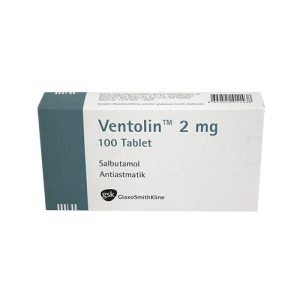
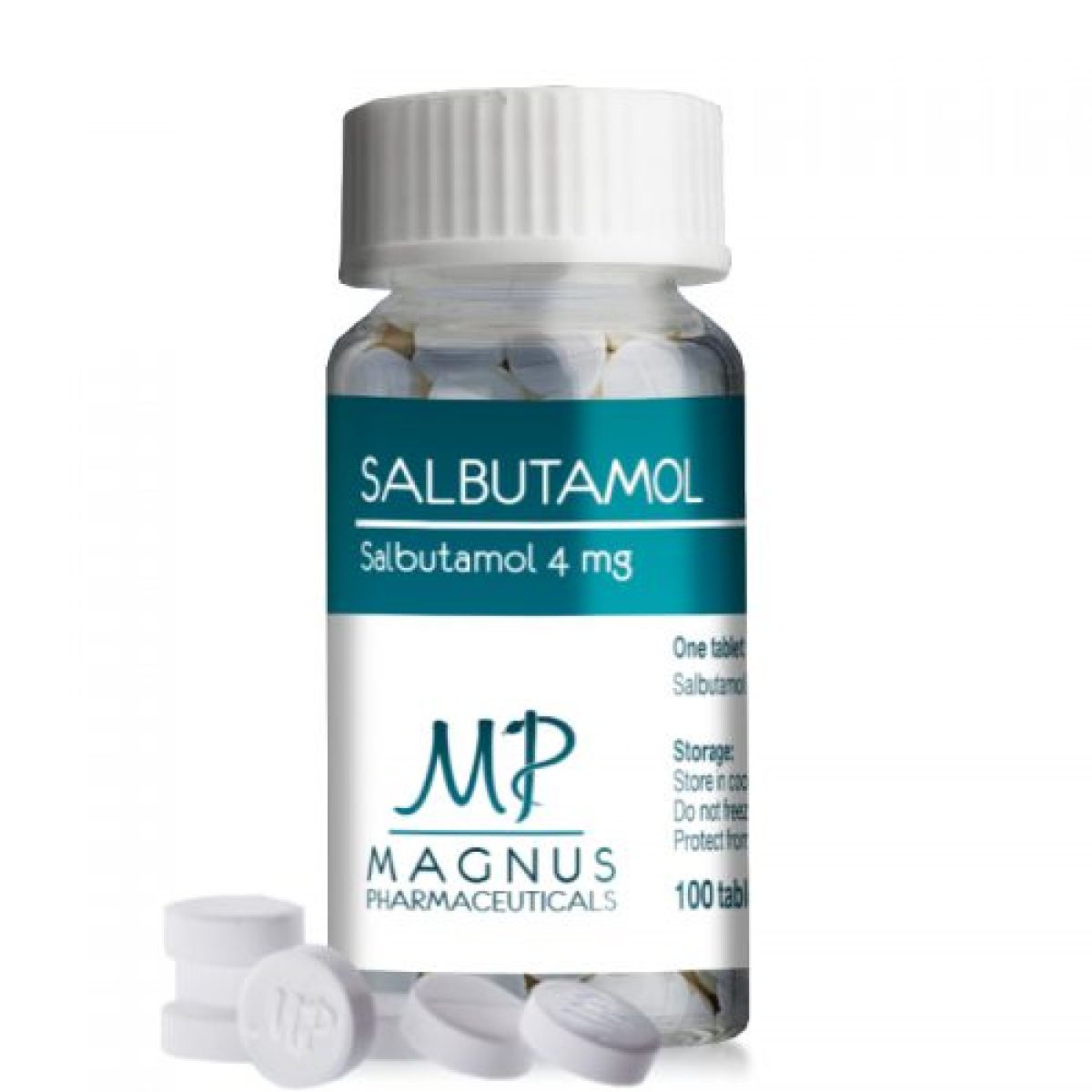
Salbutamol Pharmaceutical is a beta-2 selective adrenergic receptor agonist widely employed in respiratory and cardiovascular research applications. As a short-acting bronchodilator compound, salbutamol demonstrates selective affinity for beta-2 adrenoreceptors located in bronchial smooth muscle, making it an essential tool for investigating respiratory physiology mechanisms. Research laboratories studying airway function, smooth muscle contraction dynamics, and adrenergic signalling pathways frequently utilise this compound in controlled experimental protocols. The pharmaceutical-grade formulation ensures consistent purity standards essential for reproducible research outcomes across multiple study parameters.
Scientists conducting metabolic research at Stroid UK Shop often incorporate salbutamol into protocols examining beta-adrenergic stimulation effects on cellular energy expenditure. The compound’s well-characterised pharmacokinetic profile and established mechanism of action provide researchers with reliable baseline data for comparative studies. Laboratory investigations frequently examine salbutamol’s interaction with cyclic adenosine monophosphate (cAMP) signalling cascades and protein kinase A activation pathways in various tissue models.
Research Applications in Laboratory Studies
Cardiovascular research laboratories utilise salbutamol to investigate beta-2 receptor-mediated chronotropic and inotropic responses in cardiac tissue preparations. Studies examining smooth muscle relaxation mechanisms in vascular and bronchial tissues commonly employ this compound as a selective beta-2 agonist control. Respiratory physiology research applications include investigating bronchodilation mechanisms, studying airway resistance changes, and examining mucociliary clearance function in experimental models.
Metabolic research protocols often incorporate salbutamol when studying thermogenesis, lipolysis activation, and skeletal muscle glucose uptake mechanisms. The compound’s ability to stimulate beta-2 receptors makes it valuable for investigating metabolic pathway modulation and energy expenditure regulation in cellular and tissue-based studies. Research teams examining other drugs salbutamol formulations frequently compare different preparations for bioavailability and receptor binding characteristics. Advanced studies may examine salbutamol’s effects alongside selective androgen receptor modulators or peptide compounds in combination research protocols.
Technical Specifications
| Parameter | Specification |
|---|---|
| Chemical Name | 4-[2-(tert-butylamino)-1-hydroxyethyl]-2-(hydroxymethyl)phenol |
| CAS Registry | 18559-94-9 |
| Molecular Formula | C₁₃H₂₁NO₃ |
| Molecular Weight | 239.31 g/mol |
| Storage Conditions | Room temperature, protect from light and moisture |
| Solubility | Water soluble, pH dependent |
Research Compliance Information
This salbutamol pharmaceutical preparation is supplied exclusively for in-vitro laboratory research applications and scientific investigation purposes. The compound is not intended for human consumption, therapeutic use, or any application outside controlled laboratory environments. Researchers must ensure compliance with institutional safety protocols and regulatory guidelines when handling this material. All studies should be conducted by qualified personnel in appropriately equipped laboratory facilities with proper safety measures and waste disposal procedures.