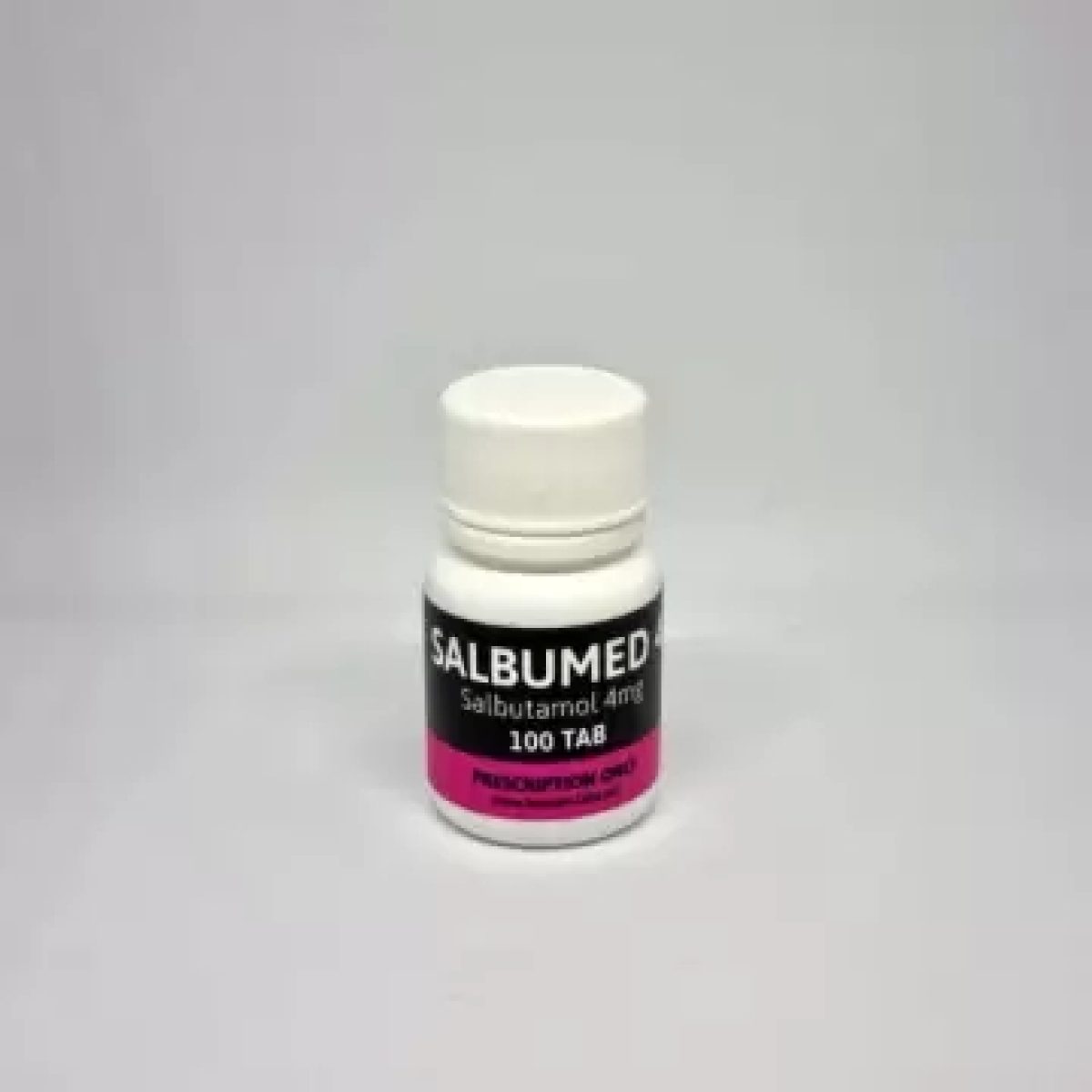

SALBUMED 4 HUMAN LABS — Research Summary
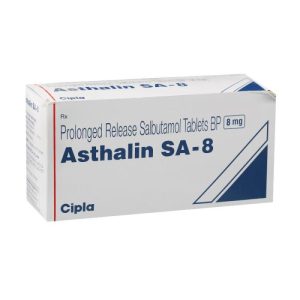
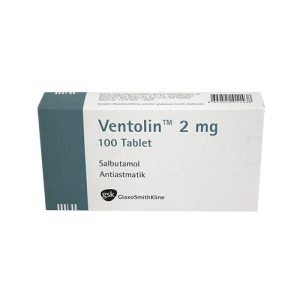
SALBUMED 4 HUMAN LABS is a beta-2 adrenergic agonist compound containing salbutamol, formulated for in-vitro laboratory research applications. This sympathomimetic agent selectively binds to beta-2 adrenergic receptors, demonstrating bronchodilator activity in preclinical models. Research investigators at Stroid UK Shop utilise this compound to study respiratory physiology, smooth muscle relaxation mechanisms, and cyclic AMP signalling pathways in controlled laboratory settings. The formulation provides researchers with a standardised reference material for examining beta-agonist receptor interactions and downstream cellular responses.
Laboratory Applications
Researchers investigate SALBUMED 4 for its selective beta-2 adrenergic receptor agonism in respiratory tissue models. Studies examine bronchodilator mechanisms, smooth muscle relaxation pathways, and cyclic adenosine monophosphate elevation in cell culture systems. The compound serves as a valuable tool for pharmacological research within our comprehensive salbutamol research catalogue. Laboratory protocols analyse receptor selectivity, binding kinetics, and signal transduction mechanisms compared to other beta-agonists. Researchers also examine metabolic effects on lipolysis and thermogenesis in adipocyte culture models, contributing to broader understanding of sympathomimetic pharmacology alongside compounds from our SARMS collection and peptide research materials.
Technical Specifications
| Parameter | Specification |
|---|---|
| Active Compound | Salbutamol |
| Classification | Beta-2 Adrenergic Agonist |
| CAS Number | 18559-94-9 |
| Molecular Formula | C₁₃H₂₁NO₃ |
| Molecular Weight | 239.31 g/mol |
| Storage Conditions | Room temperature, dry environment |
| Research Applications | Respiratory physiology, receptor pharmacology |
Research Compliance
SALBUMED 4 HUMAN LABS is supplied exclusively for in-vitro laboratory research purposes and is not intended for human consumption, veterinary use, or any therapeutic application. Research institutions must maintain appropriate safety protocols when handling this compound and ensure compliance with local regulations governing laboratory research chemicals. All studies should be conducted under appropriate ethical oversight and institutional guidelines for research chemical handling and disposal.