
Rizatriptan 5 mg Research Overview
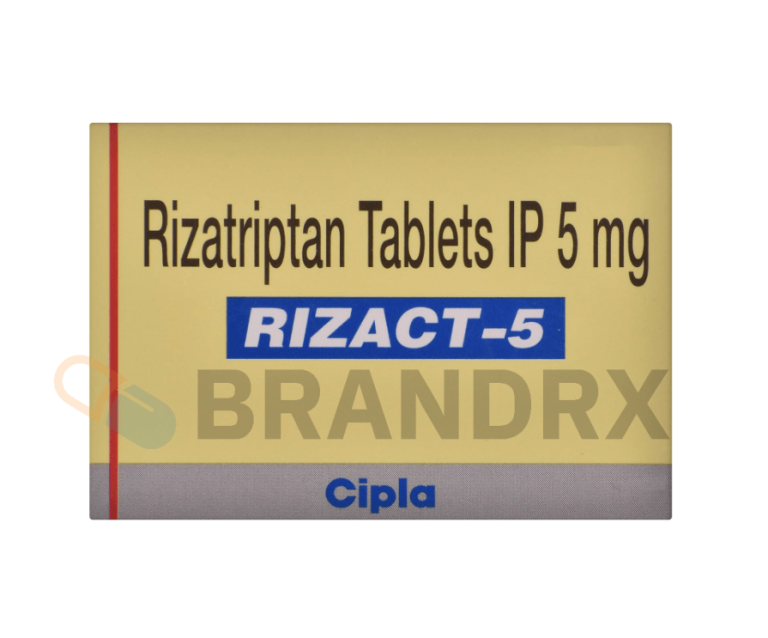
Rizatriptan is a selective 5-hydroxytryptamine receptor agonist (triptan class) that researchers investigate for its specific binding properties and pharmacological mechanisms. This compound demonstrates high selectivity for 5-HT₁B and 5-HT₁D receptor subtypes in preclinical models. Laboratory scientists at Stroid UK Shop study this pharmaceutical-grade compound to examine serotonin receptor modulation pathways and related neurochemical processes. The 5 mg formulation by Cipla provides consistent research material for controlled in-vitro investigations.
Laboratory Research Applications
Research teams analyse rizatriptan’s mechanism of action through its selective agonism at cranial 5-HT₁B/₁D receptors. Scientists investigate how this compound influences vasoconstriction in isolated tissue preparations and examine its effects on trigeminal nerve activity in experimental models. The compound’s oral bioavailability profile makes it valuable for pharmacokinetic studies, while its specific receptor binding characteristics allow researchers to evaluate serotonin pathway interactions. Comparative studies with other rizatriptan research compounds help scientists understand structure-activity relationships within the triptan family.
Technical Specifications
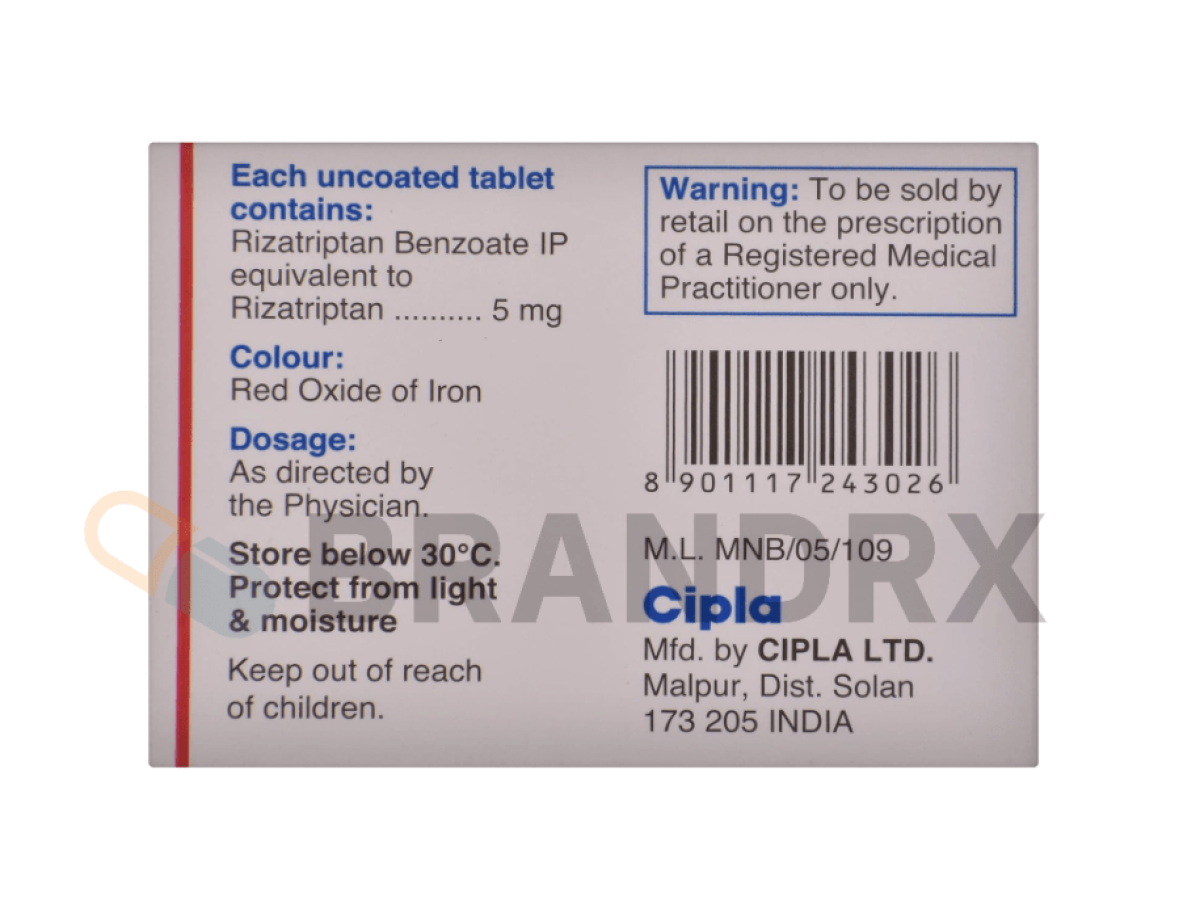
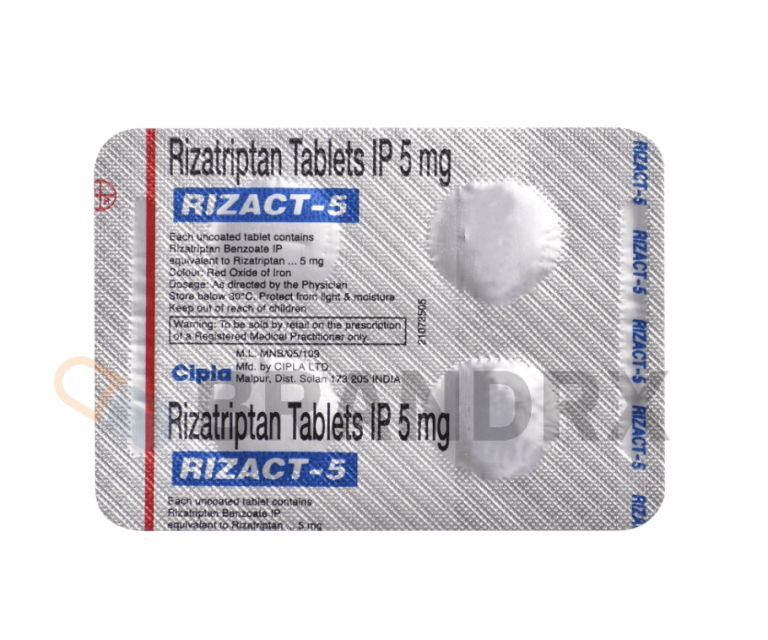
| Active Ingredient | Rizatriptan benzoate |
|---|---|
| Strength | 5 mg per tablet |
| Manufacturer | Cipla Limited |
| CAS Number | Verify with supplier |
| Molecular Formula | Verify with supplier |
| Storage | Room temperature, dry conditions |
Laboratories studying neuropharmacology often compare this compound’s properties with research materials available through SARMs collections and peptide research libraries to explore different receptor systems and their interactions in controlled experimental settings.
Research Use Compliance
This product is strictly intended for in-vitro laboratory research purposes only. Rizact 5 mg tablets are not approved for human consumption, clinical use, or therapeutic applications. Research institutions and qualified laboratories must ensure proper handling protocols and maintain appropriate documentation for all experimental procedures involving this compound. Scientists should verify compound specifications and obtain relevant safety data before initiating research projects.