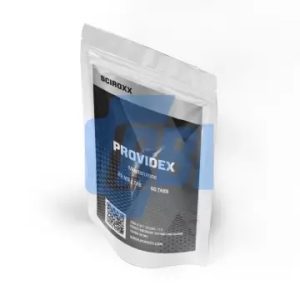

Research Applications of Mesterolone
Mesterolone is an androgenic steroid compound belonging to the dihydrotestosterone (DHT) family, primarily investigated for its unique molecular properties and receptor binding characteristics. Researchers at Stroid UK Shop study this compound’s distinctive mechanism of action, which differs significantly from other steroid molecules due to its structural modifications. In laboratory settings, scientists examine mesterolone’s interaction with androgen receptors and its potential effects on enzymatic pathways related to estrogen metabolism.
Scientific Investigation Parameters
Laboratory studies of mesterolone focus on its role as a potential aromatase inhibitor and its effects on steroid hormone pathways. Researchers investigating compounds in the aromatase inhibitors category often compare mesterolone’s properties with other modulators to understand its unique characteristics. The compound’s oral bioavailability and resistance to hepatic metabolism make it particularly interesting for in-vitro studies examining steroid pharmacokinetics. Scientists also investigate its potential interactions with sex hormone-binding globulin (SHBG) in cellular research models.
Product Specifications
| Parameter | Value |
|---|---|
| Chemical Name | 1α-Methyl-17β-hydroxy-5α-androstan-3-one |
| CAS Registry | 1424-00-6 |
| Molecular Formula | C₂₀H₃₂O₂ |
| Molecular Weight | 304.47 g/mol |
| Manufacturer | Aslan Pharma |
| Storage Conditions | Room temperature, dry environment |
Research facilities often compare mesterolone studies with investigations into selective androgen receptor modulators and peptide compounds to understand the broader landscape of hormonal research compounds. This comparative approach helps scientists evaluate different mechanisms of action and receptor selectivity profiles.
Laboratory Compliance Requirements
This mesterolone product is manufactured by Aslan Pharma exclusively for in-vitro laboratory research purposes. It is not intended for human consumption, therapeutic use, or any application outside controlled laboratory environments. Researchers must ensure compliance with local regulations governing research chemical handling and maintain appropriate laboratory safety protocols during investigation procedures.