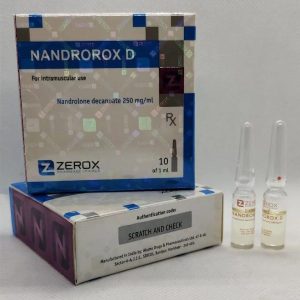

Compound Profile: PHARMA TEST P100 Pharmaceutical
PHARMA TEST P100 is a pharmaceutical-grade testosterone propionate formulation engineered for rigorous laboratory research applications. This androgen research compound enables scientists to investigate testosterone propionate’s molecular interactions with androgen receptors in controlled laboratory environments. When researchers examine testosterone propionate through Stroid UK Shop, they access pharmaceutical-standard materials essential for advancing steroid biochemistry understanding. The fast-acting propionate ester provides researchers with precise temporal control over experimental parameters, making it invaluable for studying short-term androgen receptor activation patterns and downstream cellular responses.
Laboratory Research Applications
Scientists utilise PHARMA TEST P100 to investigate fundamental questions in endocrinology and molecular biology research. Laboratory studies examine how testosterone propionate influences gene expression profiles in androgen-responsive cell lines, providing insights into transcriptional regulation mechanisms. Researchers studying testosterone propionate compounds evaluate receptor binding kinetics, metabolic pathway interactions, and cellular signaling cascades. The pharmaceutical formulation supports comparative studies alongside other research compounds available through SARM investigations and peptide research programs, enabling comprehensive multi-compound analyses of anabolic mechanisms.
Specifications and Research Data
| Parameter | Specification |
|---|---|
| Active Compound | Testosterone Propionate |
| Concentration | 100mg/ml |
| Formulation | Injectable Research Solution |
| Purity Grade | Pharmaceutical Standard |
| CAS Number | 57-85-2 |
| Storage Requirements | Room temperature, protected from light |
| Research Applications | Androgen receptor studies, steroid metabolism |
Laboratory Compliance Information
PHARMA TEST P100 is manufactured exclusively for in-vitro research applications in qualified laboratory facilities. This research compound is not intended for human consumption, therapeutic use, or any application outside controlled scientific research environments. Researchers must maintain appropriate laboratory safety protocols and comply with institutional research guidelines when handling this compound. All investigations should be conducted under proper scientific supervision with adequate documentation of experimental procedures and outcomes.