
Laboratory Research Applications for Testosterone Enanthate
PHARMA TEST E250 Pharmacom is a testosterone enanthate formulation designed for sophisticated laboratory investigations into androgen receptor mechanisms and steroid biochemistry. This research-grade compound enables scientists to examine testosterone metabolism, receptor binding kinetics, and hormonal pathway modulation in controlled laboratory environments. Researchers at Stroid UK Shop utilise this compound to investigate the fundamental properties of long-acting testosterone esters in cellular and biochemical assays.
Pharmaceutical Research Framework
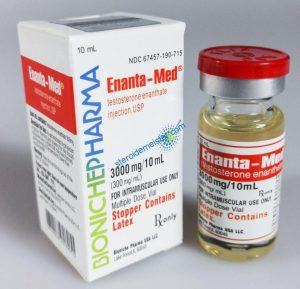
Testosterone enanthate represents a clinically significant anabolic-androgenic steroid compound extensively studied in endocrinology research. The enanthate ester modification extends the compound’s active duration in research models, making it valuable for longitudinal studies examining sustained androgen exposure effects. Scientists investigating steroid pharmacokinetics find this compound essential for understanding ester hydrolysis mechanisms and bioavailability patterns. Research facilities studying hormone replacement therapy protocols often examine this compound alongside other formulations available in our testosterone enanthate collection. Comparative studies frequently evaluate testosterone enanthate against alternative research compounds including selective androgen receptor modulators and peptide-based modulators to understand mechanism-of-action differences.
Technical Specifications
| Parameter | Value |
|---|---|
| Active Compound | Testosterone Enanthate |
| Concentration | 250mg/mL |
| Classification | Anabolic-Androgenic Steroid |
| Manufacturer | Pharmacom Labs |
| Storage Requirements | Room temperature, protected from light |
| Research Applications | Androgen receptor studies, steroid pharmacology |
Laboratory Use Compliance
PHARMA TEST E250 Pharmacom is manufactured exclusively for in-vitro research applications and laboratory investigations. This compound is not intended for human consumption, therapeutic use, or any application outside controlled research environments. Researchers must maintain appropriate laboratory safety protocols and comply with institutional guidelines when handling this research material.